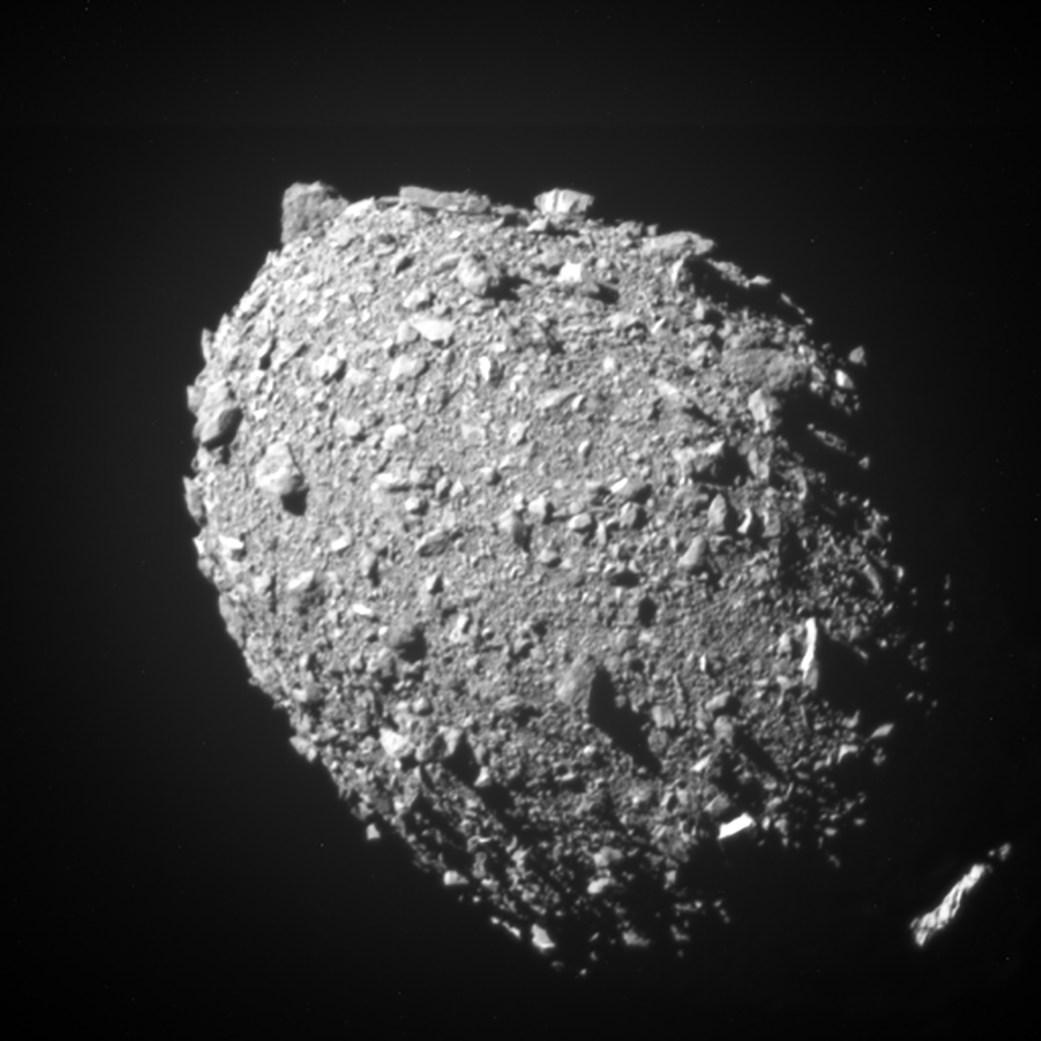
circles a larger asteroid called Didymos, and before September 2022 one lap took 11 hours and 55 minutes. A spacecraft hit it on purpose, and the mission counted anything from 73 seconds of change as a success. Then telescopes on Earth measured the new lap time.
It came in at 11 hours and 23 minutes, a change of 32 minutes with an uncertainty of about 2 minutes either way. That is more than 25 times the minimum benchmark NASA had set, and it is the first time anybody has deliberately changed the motion of a celestial object.
Before the impact, Dimorphos took 11 hours and 55 minutes to orbit its larger parent asteroid Didymos. NASA had defined a minimum successful change in that period as 73 seconds or more, which gives a sense of how modest the expectations were.
The spacecraft hit Dimorphos on 26 September 2022 at roughly 22,530 kilometers per hour, a with no explosive involved. Astronomers then used telescopes on Earth to measure the new , and two weeks of data gave 11 hours and 23 minutes, a change of 32 minutes with an uncertainty of about 2 minutes.
That beats the benchmark by more than 25 times, and part of the reason is the . The impact launched many tons of asteroidal rock into space, and the recoil from that blast substantially enhanced the push against the asteroid, the way escaping air pushes a balloon.
What remains open is how much of the effect transfers to a different target. Working that out means measuring the efficiency of the momentum transfer, which needs more information about the asteroid’s surface and about how strong or weak the body is.
wat. A deliberate collision shortened an asteroid’s 11 hour 55 minute orbit to 11 hours and 23 minutes.
wat wat
Deflection stopped being an argument on paper and became a measured number, which is what you need before betting a planet on it.
How do we know?
NASA confirmed the result from two weeks of ground-based telescope observations of the orbit period, with radar at Goldstone in California and at the Green Bank Observatory in West Virginia continuing to refine it.
What is still unknown
One impact on one small moonlet says little about a different asteroid, and the efficiency of the momentum transfer depends on physical properties still being worked out.
Learn something?
Where to next
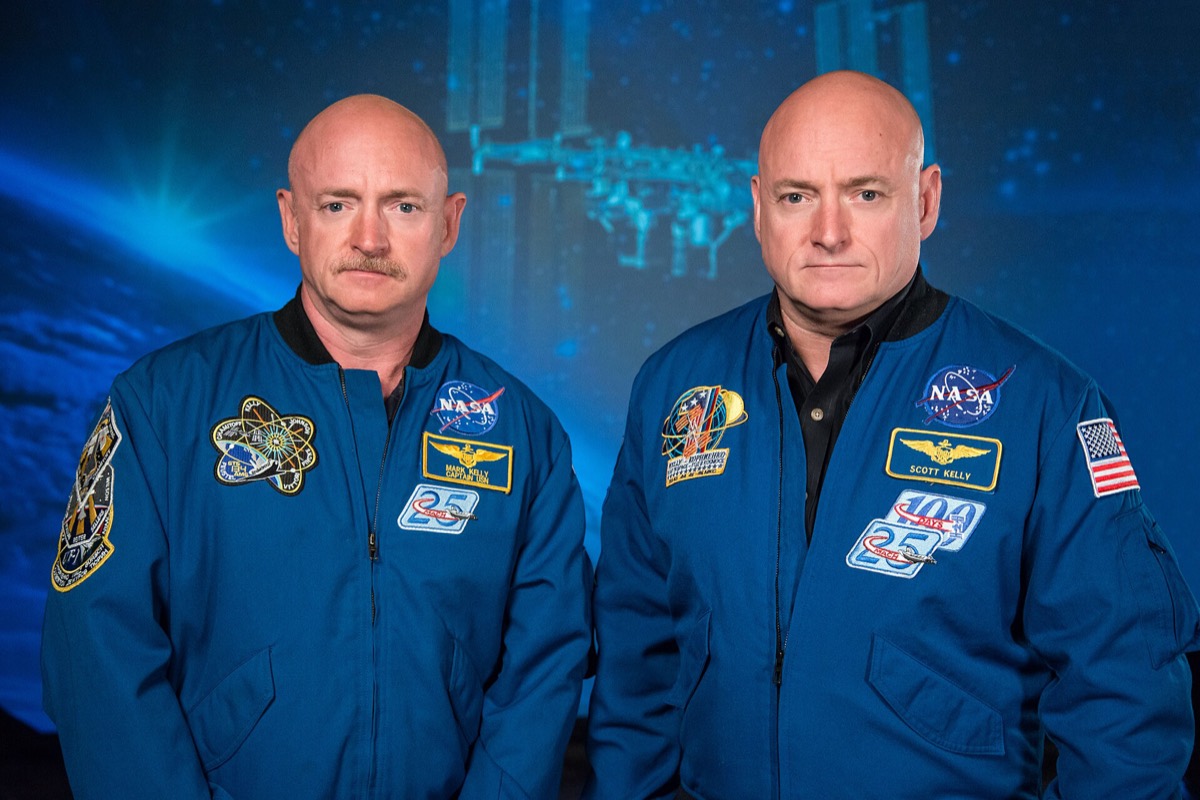 What happened to an astronaut’s genes after a year in space, next to his identical twin on the ground?NASA
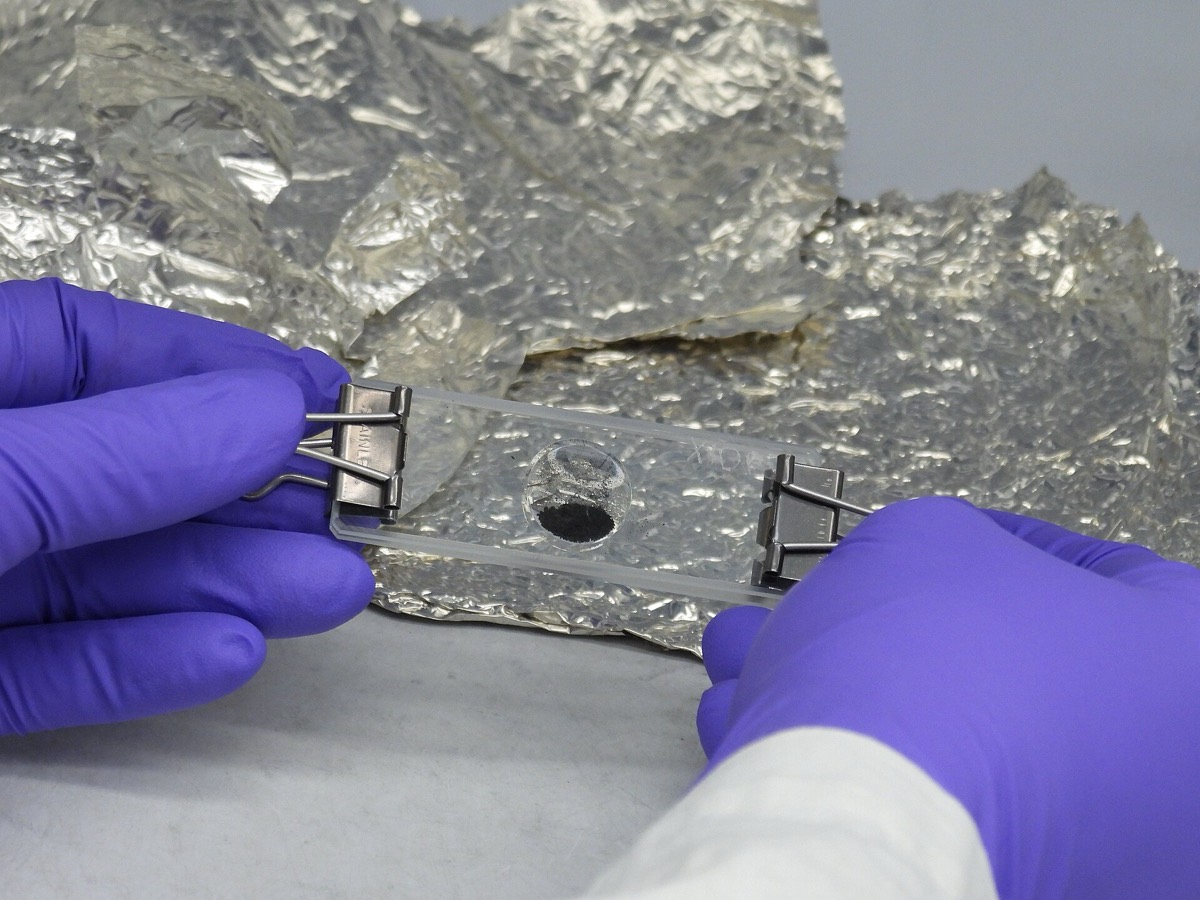 What was waiting inside a sample from an asteroid that was never opened on Earth?asteroids
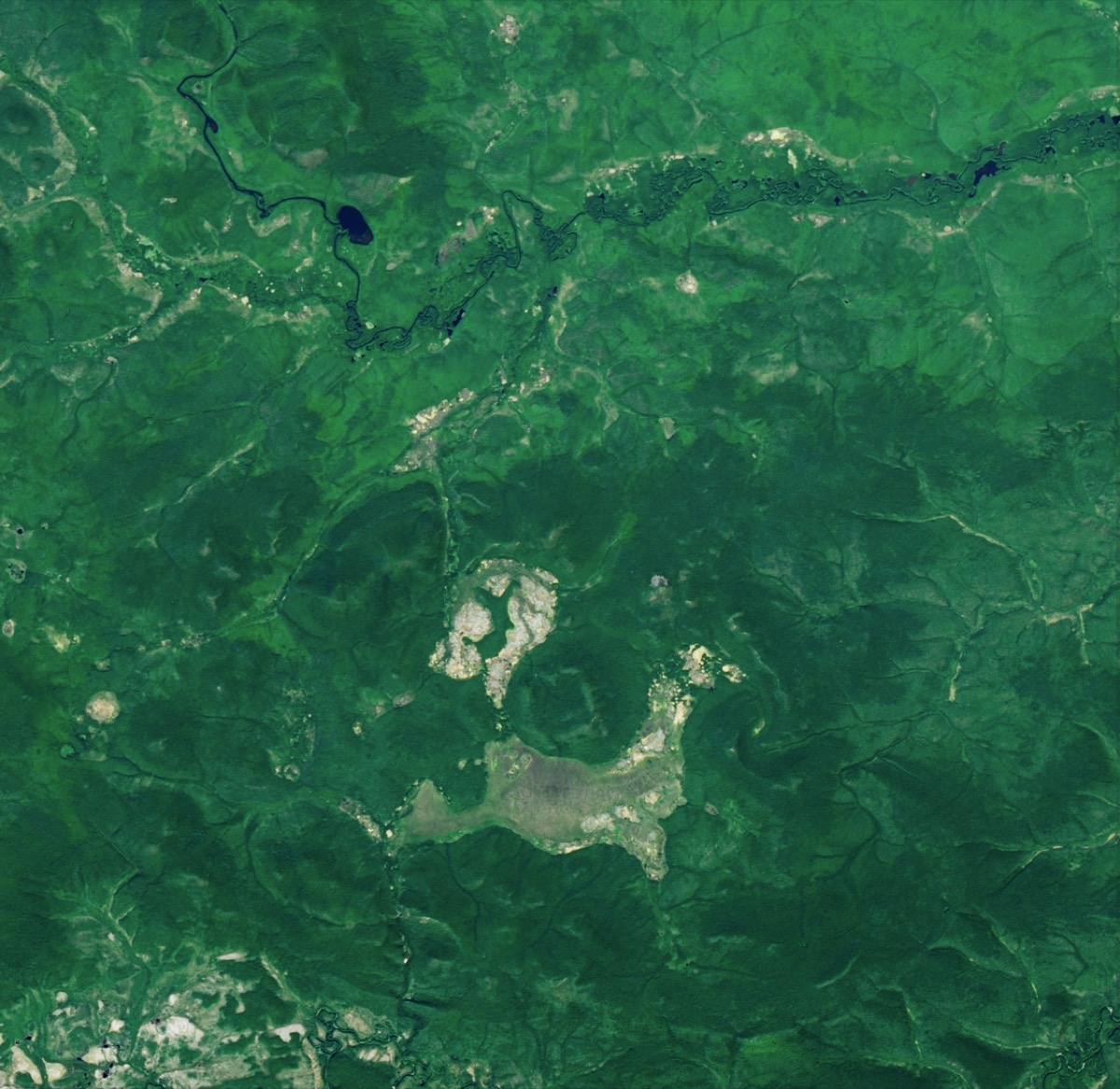 What flattens two thousand square kilometers of forest and leaves no crater?asteroids