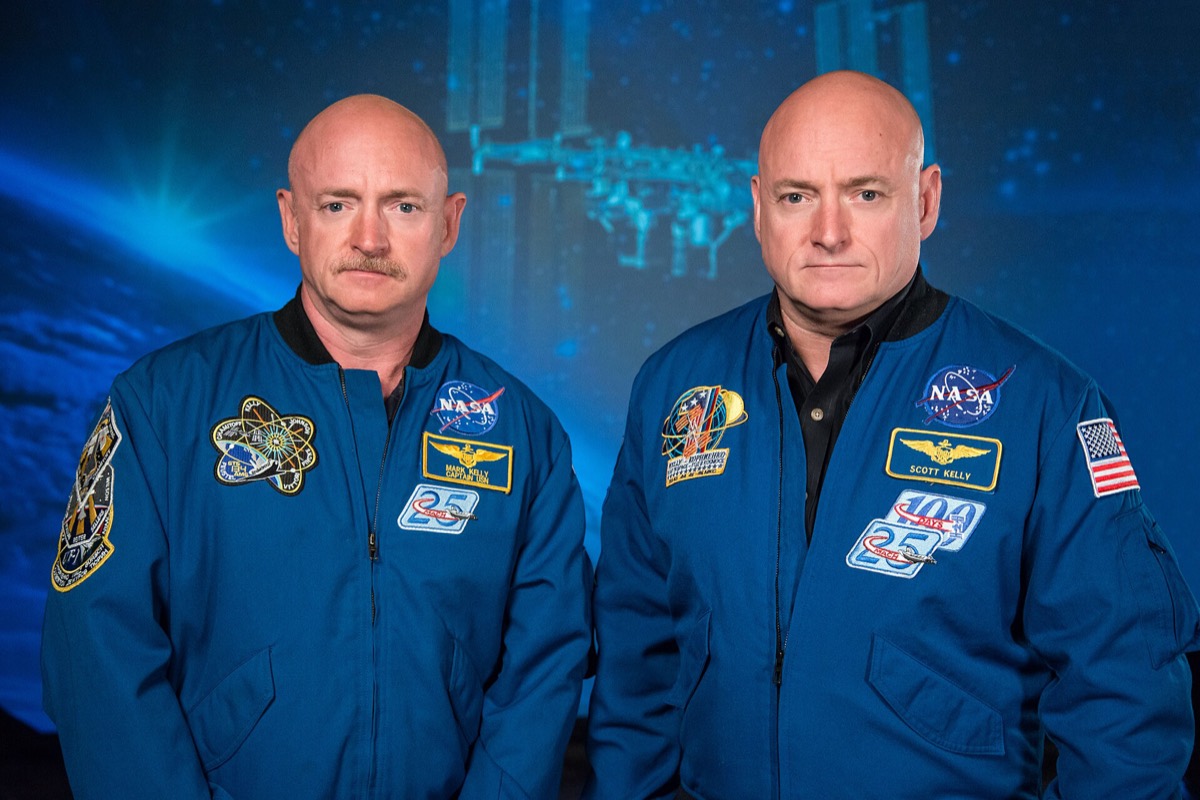
Scott Kelly spent close to a year on the space station while his identical twin Mark, himself a retired astronaut, stayed on Earth. That is about as good a control as human biology ever offers. What did the comparison show?
Most of the changes in Scott’s returned to baseline within six months of landing, and about seven percent had not. The finding nobody predicted was the , the caps on the ends of chromosomes: they lengthened in orbit and then shortened quickly back on Earth, which is the opposite of what anyone expected.
The difficulty in studying what space does to a body is that there is nothing to compare against. Everyone differs, and any change measured in an astronaut could as easily be that astronaut as the orbit.
closed that gap. Blood and tissue were collected from both brothers before the mission, during it and after, and the comparison ran across genetics, immune function, cognition and the microbiome.
The overall picture is fairly reassuring. Most changes in gene expression returned to where they had been within six months of landing, and about seven percent had not.
The surprise was the telomeres. They lengthened in orbit, which nobody predicted, and then shortened quickly once he was back, ending shorter than before he left. The explanation is still open. And the limit is the design itself: shows a direction worth chasing, not a fact about astronauts.
wat. Six months after returning to Earth, about seven percent of Scott Kelly’s gene expression had still not gone back to what it was.
wat wat
It is the most detailed biological record that exists of what a long stay in space does to a human body, which matters for any mission to Mars.
How do we know?
Blood and tissue samples from both brothers before, during and after the mission, compared across genetics, immune function, cognition and the microbiome.
What is still unknown
The sample is two people, one pair of twins. It cannot support statistical claims about people in general, only a direction worth looking at.
Learn something?
Where to next
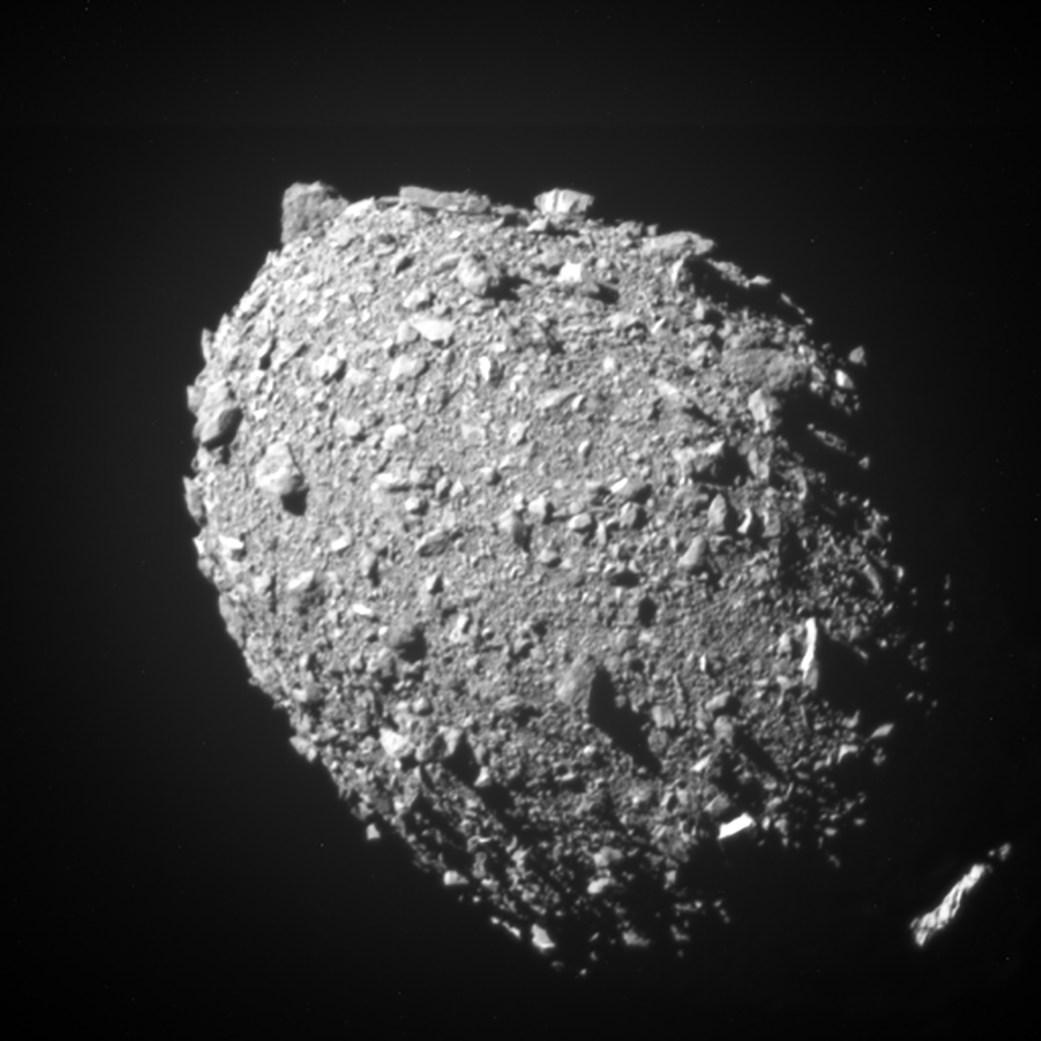 What does it take to move an asteroid off its course?NASA
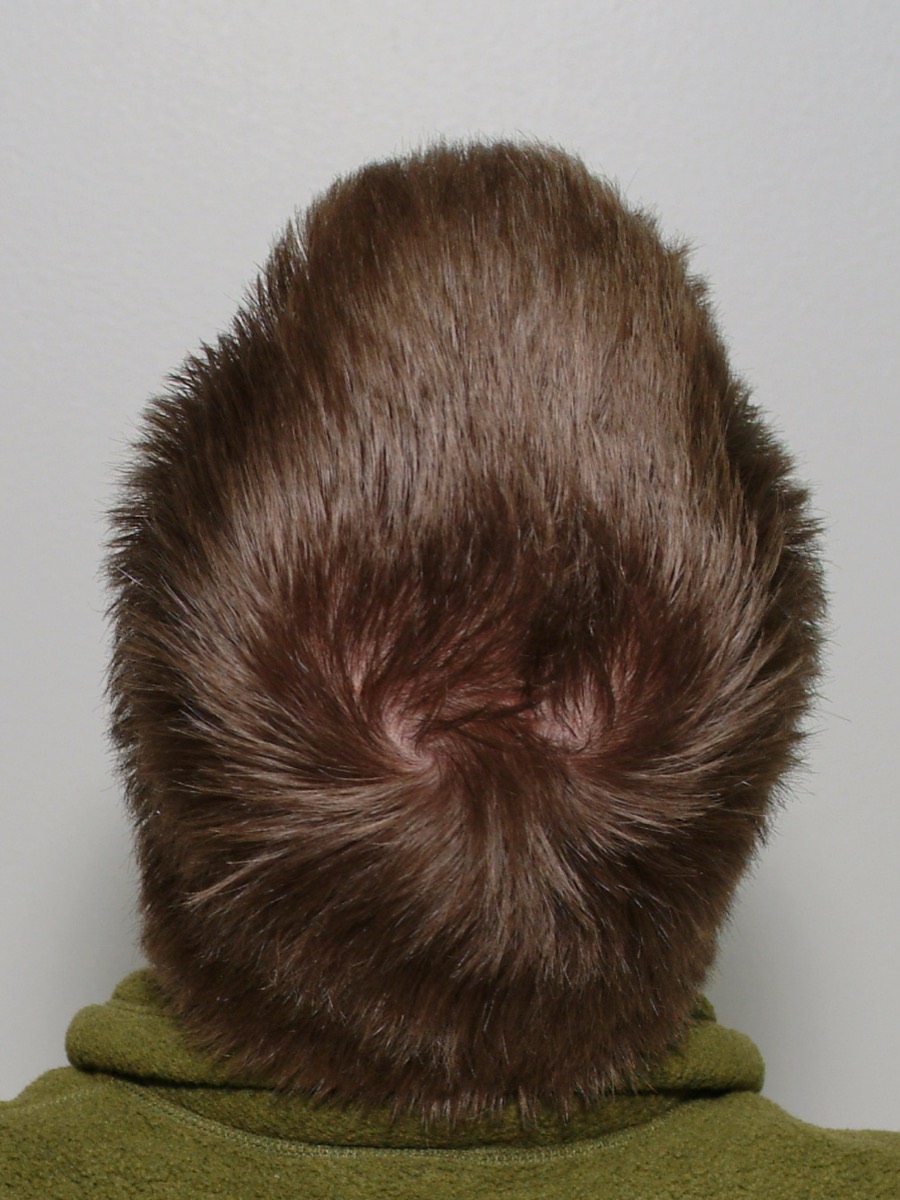 What decides which way the whorl on the back of your head turns?twins