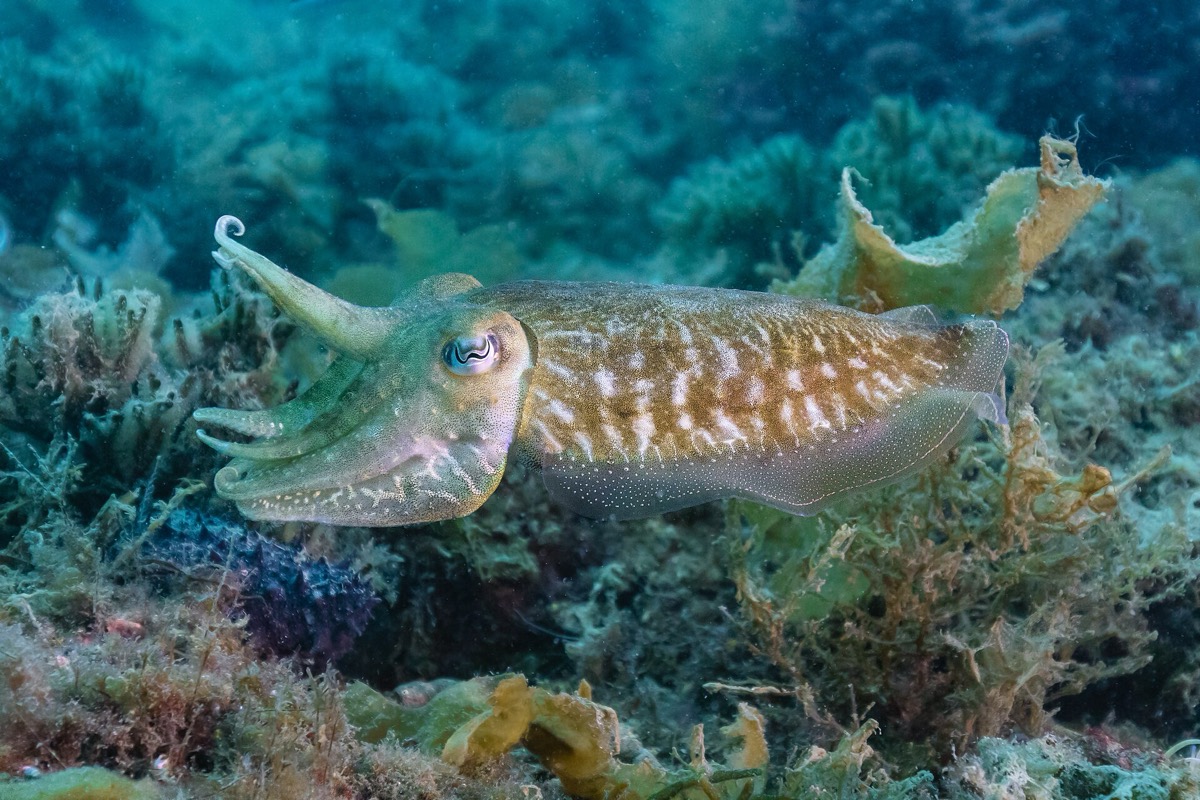
Recalling a particular past event means holding three things together: what happened, where, and when. Tests built on that trio have found the ability in some birds and some mammals, and nowhere else. A has a large brain built on an entirely different plan. Jozet-Alves and colleagues offered cuttlefish two foods that replenish at different rates and watched where they went to forage. Do they keep track?
They keep track of all three. Cuttlefish remembered what they had eaten, where they had eaten it, and how long ago, and they used that to match their foraging to when each food would be available again. Preferred prey that takes longer to reappear gets left until it has had time to return. That satisfies the what, where and when criteria for , in an invertebrate.
Recalling a particular experience means binding three things: what happened, where it happened, and when. Since the first work on scrub-jays, that trio has been the standard an animal has to meet before anybody calls it episodic-like memory.
The word like matters. Human episodic recollection comes with a phenomenal quality, a sense of being there again, and no behavioral experiment can confirm or rule that out in an animal. The term acknowledges the gap rather than papering over it.
Until this work, only some birds and some mammals had shown the ability. Jozet-Alves and colleagues went to a cephalopod mollusc, which is about as far from a jay as a large-brained animal gets, and built the test around with two foods at different rates.
The cuttlefish kept track of what they had eaten, where, and how long ago, and matched their foraging to the timing of each food becoming available again. The three components are all there, in an invertebrate, which moves episodic-like memory out of the exclusive possession of birds and mammals.
wat. It is not only what you ate but when, and a cuttlefish keeps the whole receipt.
wat wat
A capacity found only in birds and mammals turning up in a mollusc means either it evolved more than once or the conditions that produce it are commoner than anyone assumed.
How do we know?
Jozet-Alves, Bertin and Clayton gave cuttlefish two food types replenishing at different intervals and recorded which location each animal chose to forage at after different delays.
What is still unknown
The behavior meets the behavioral criteria and that is all it can do. Nothing in the method addresses whether a cuttlefish experiences a memory the way a person describes one.
Learn something?
Where to next
 Why does living near water seem to be good for you?sea
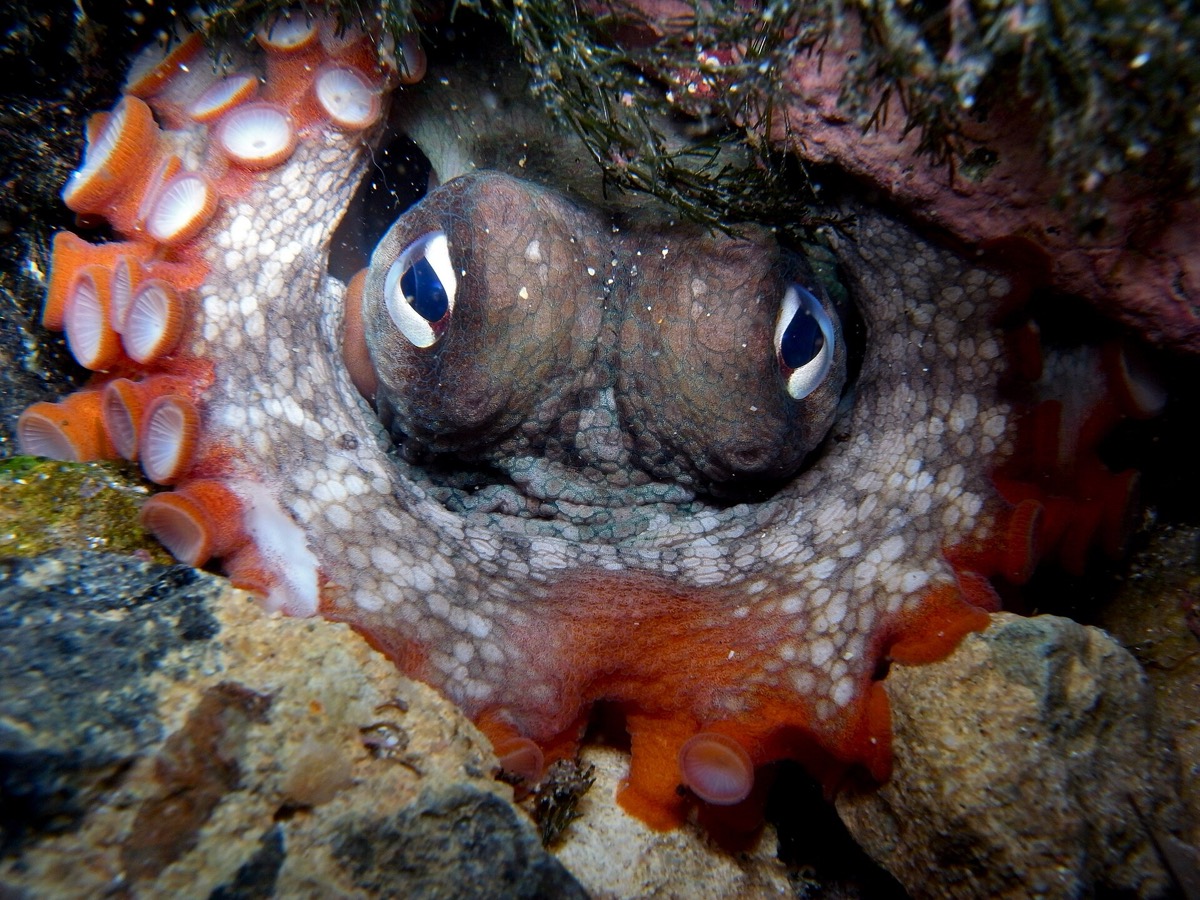 Is an octopus throwing silt at a neighbor, or just tidying up?sea
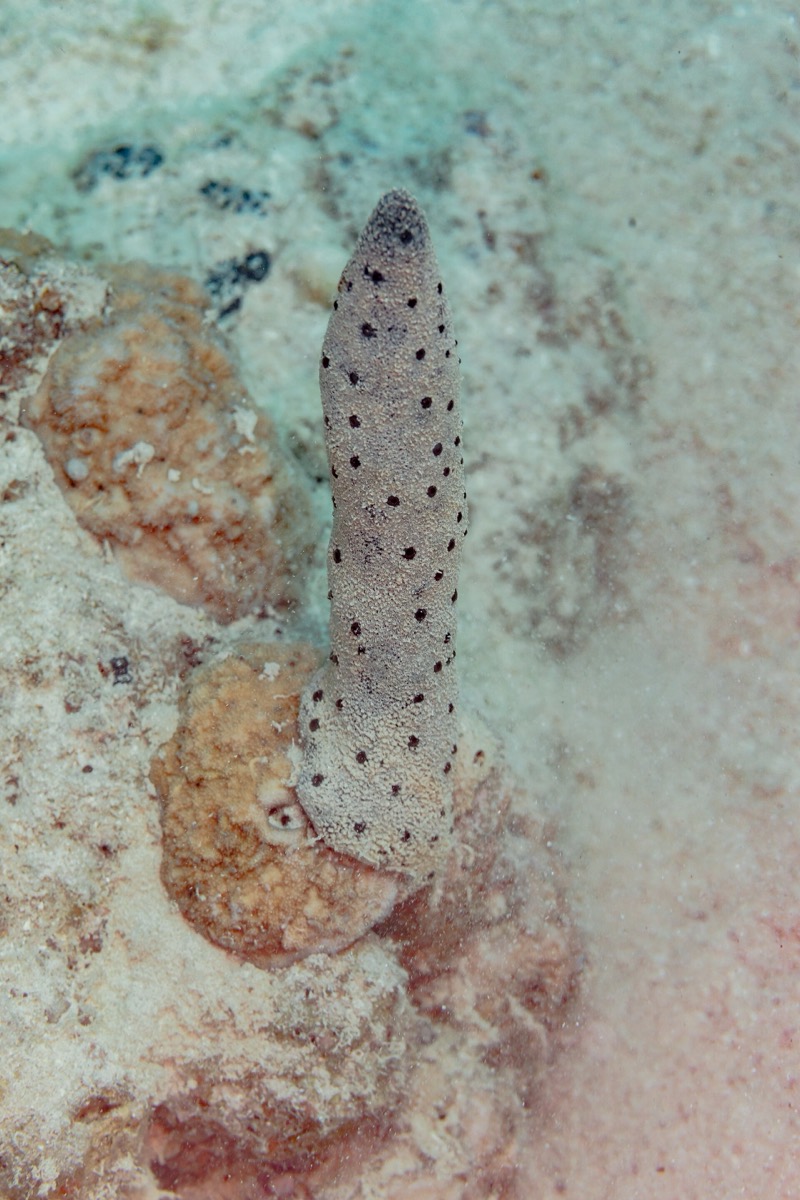 How does a sponge keep its own filter from clogging?sea