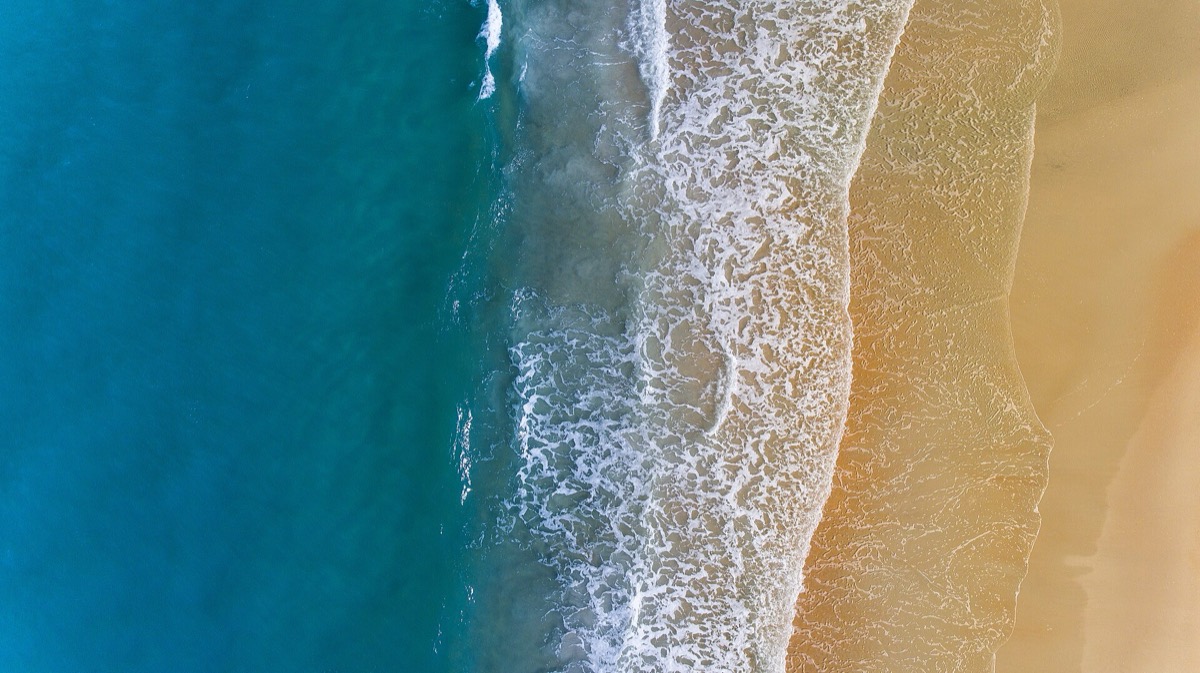
People with the coast, a lake or a river near home report better health than people without. Four explanations are usually offered: they move more, they recover mentally, they meet more people, and their surroundings are cleaner. Georgiou and colleagues gathered fifty studies and pooled them one pathway at a time. Which of the four carries the effect?
Physical activity, and restoration. Living closer to went with higher physical activity, and having more of it nearby went with both more activity and more restoration. More contact with it also went with more restoration. Social interaction did not hold up: the pooled estimate straddled zero and the underlying studies disagreed. Every here is small.
Blue space keeps turning up in population health data. People with water near home report better health than people without, and the association survives a fair amount of statistical control. What has stayed open is the question of what the water is actually doing.
Four were on the table: more physical activity, mental restoration, more social interaction, and cleaner surroundings. Georgiou and colleagues searched six databases under the PRISMA protocol, kept fifty studies, rated their quality, and pooled them pathway by pathway with random-effects .
Physical activity came out positive on two separate measures, both proximity to water and the amount of it in an area. Restoration came out positive for the amount nearby and for how much contact somebody had, though not for distance alone. Social interaction gave a pooled estimate that straddled zero, with the underlying studies pointing opposite ways.
The honest summary is a small effect through a couple of specific doors. Every effect size here is modest, and the environmental pathway had too few studies to pool at all. Even so, two mechanisms a city can design for, access and somewhere to sit by the shore, beat a general finding that water is good for you.
wat. Water near home appears to work by getting people outdoors and settling them down, rather than by bringing them together.
wat wat
Planners can build access to water and places to sit beside it. They cannot build a vague benefit, so knowing which pathway carries the effect is what turns this into something usable.
How do we know?
Georgiou and colleagues searched six databases to PRISMA guidelines, kept fifty studies, scored their quality, and ran random-effects meta-analyses on three of the four proposed pathways.
What is still unknown
These are pooled observational studies, so the direction of cause is unsettled: people who already walk and run may be the ones choosing to live near water.
Learn something?
Where to next
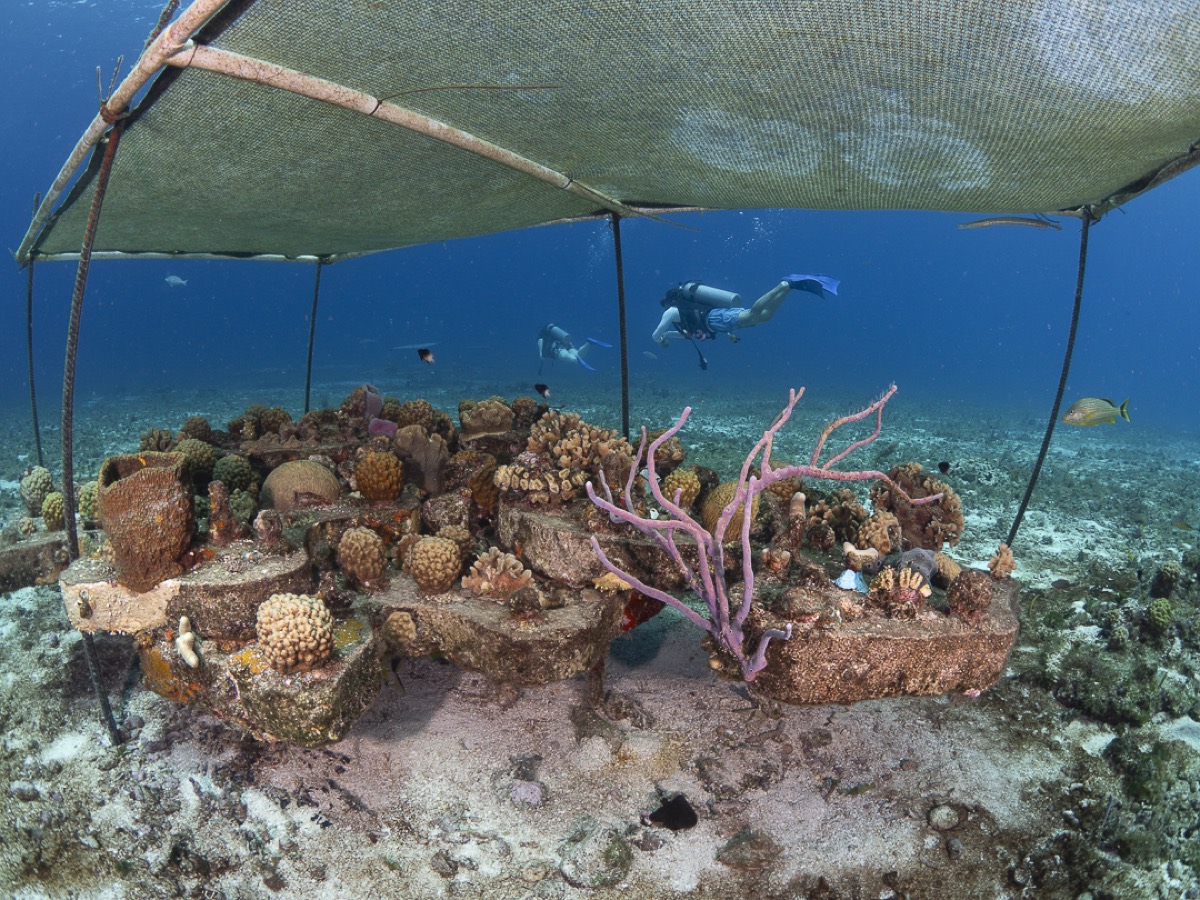 Can you hear a coral reef recovering?sea
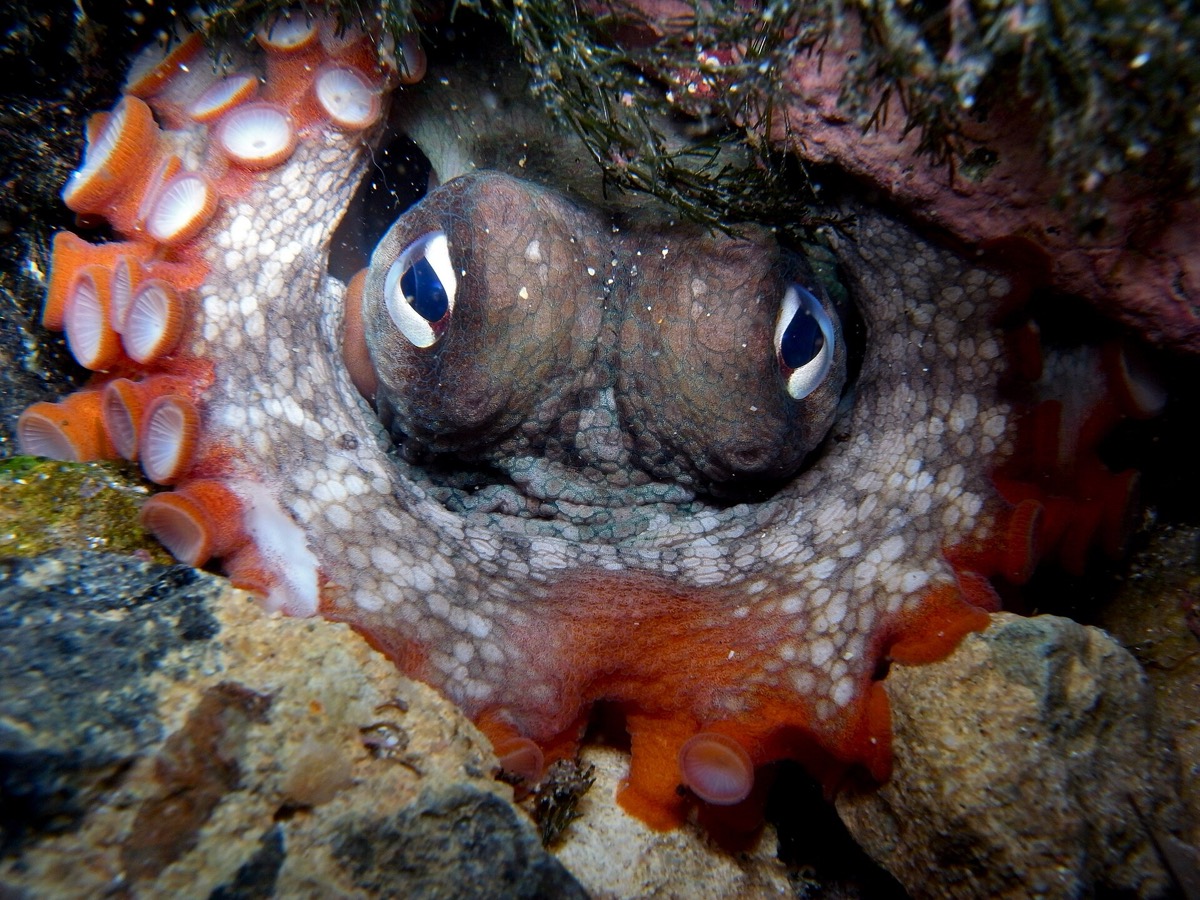 Is an octopus throwing silt at a neighbor, or just tidying up?sea
 How does a sponge keep its own filter from clogging?sea