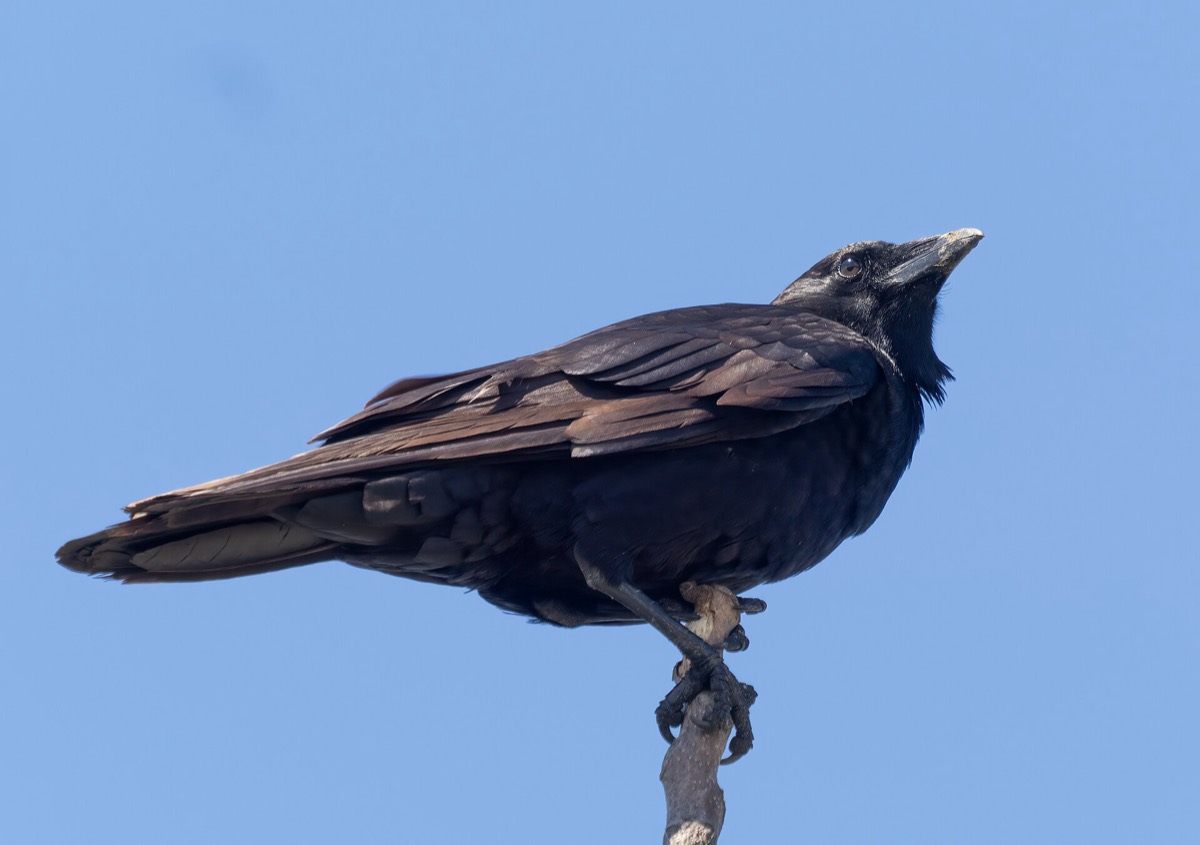
Information gained firsthand is accurate and expensive; information taken from a neighbor is cheap and may be wrong. Every animal trades the two off. Researchers wore a distinctive mask while trapping, banding and releasing crows at five sites near Seattle, then came back for years wearing the same mask and a neutral one. Who scolded the dangerous face, and how far did the knowledge travel?
It traveled sideways and downward. Crows that had been trapped scolded the dangerous mask, which is . Lone crows never captured later recognized it too, consistent with , and young crows scolded it independently after their parents had conditioned them, which is vertical transmission. Birds with direct experience discriminated dangerous from neutral masks more precisely than birds who learned socially.
Every animal faces a trade-off about where to get its information. Firsthand experience is reliable and can be very costly to acquire, while watching a neighbor is cheap and may be inaccurate. American crows turn out to use both routes to learn which human face is dangerous.
The method was blunt and effective. Researchers wore a unique mask while trapping, banding and releasing between seven and fifteen birds at each of five study sites near Seattle, making that mask a genuinely dangerous face in local crow terms. Then they returned over the following years wearing either the dangerous mask or a neutral one.
Three kinds of learning fell out of the responses. Previously captured crows scolded the dangerous mask immediately, which is individual learning. Crows that had not been captured also responded immediately, probably conditioned by having been in the mob that assembled during a capture. Later recognition by lone crows never captured at all is consistent with horizontal social learning, and young crows independently after their parents had done so shows .
The cheap route worked less sharply. Crows with direct experience discriminated between dangerous and neutral masks more precisely than those who had learned socially. But it worked widely: learning let scolding double in frequency and spread at least 1.2 km from where the trapping happened, over a five year period at one site. Read the measures for what they are, though. A mask is not a face, scolding is not knowledge, and in a wild population the social routes are inferred from who responded rather than shown directly.
wat. Scolding of the dangerous mask doubled in frequency and spread more than a kilometer from where the trapping happened, carried by birds who were never caught.
wat wat
It separates three routes to the same knowledge in a wild population, and it prices them. Learning from others is cheaper and reaches further, and it comes out blurrier than being caught yourself.
How do we know?
Cornell and colleagues trapped, banded and released between seven and fifteen wild crows at each of five sites while wearing a unique mask. They then tested scolding responses to that mask and to neutral masks over several years.
What is still unknown
Masks stand in for faces, scolding stands in for knowledge, and an unmanipulated field population means the social routes are inferred from who scolded what rather than shown directly.
Learn something?
Where to next
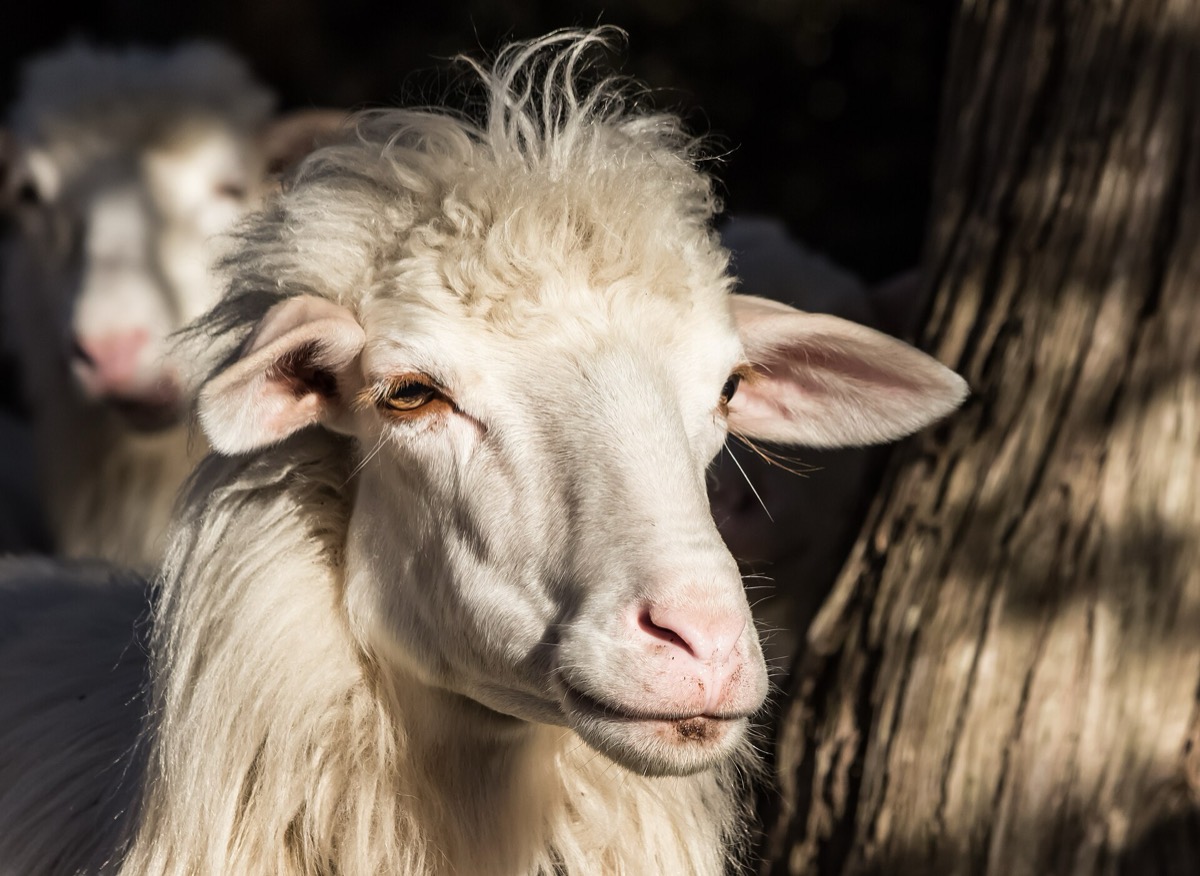 Can a sheep pick a familiar face out of a photograph it has never seen before?faces
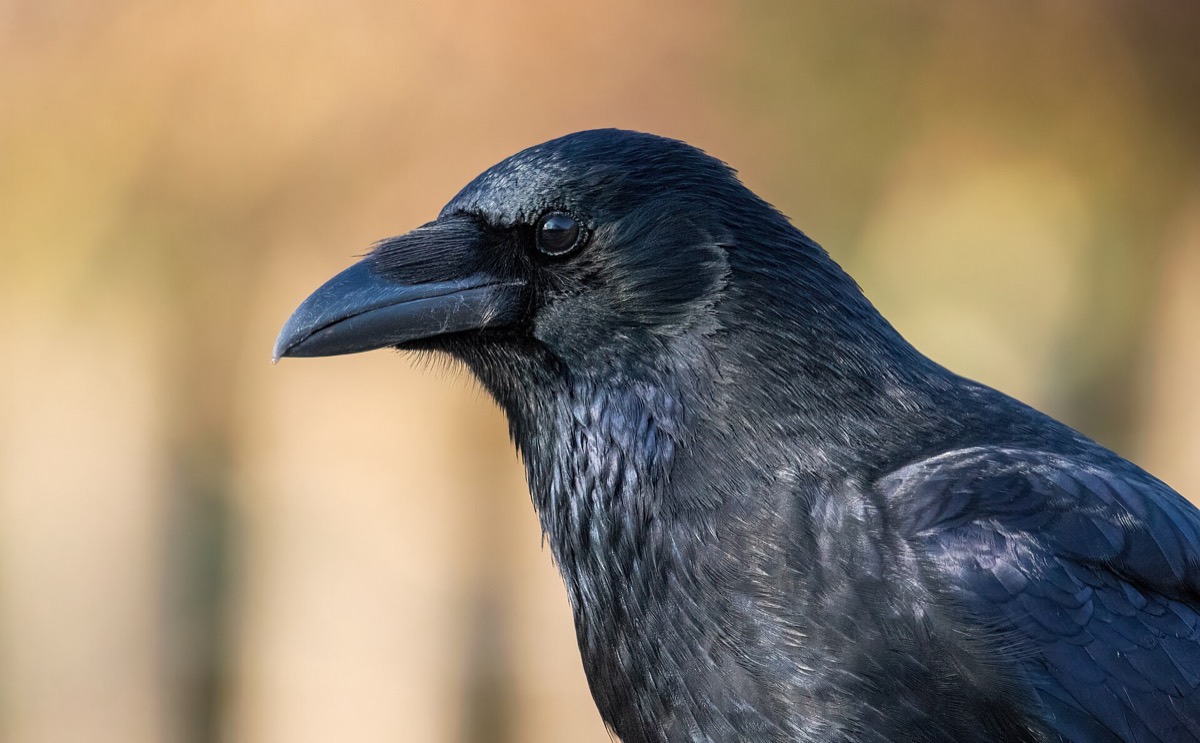 Does a crow read a face the way we do?crows
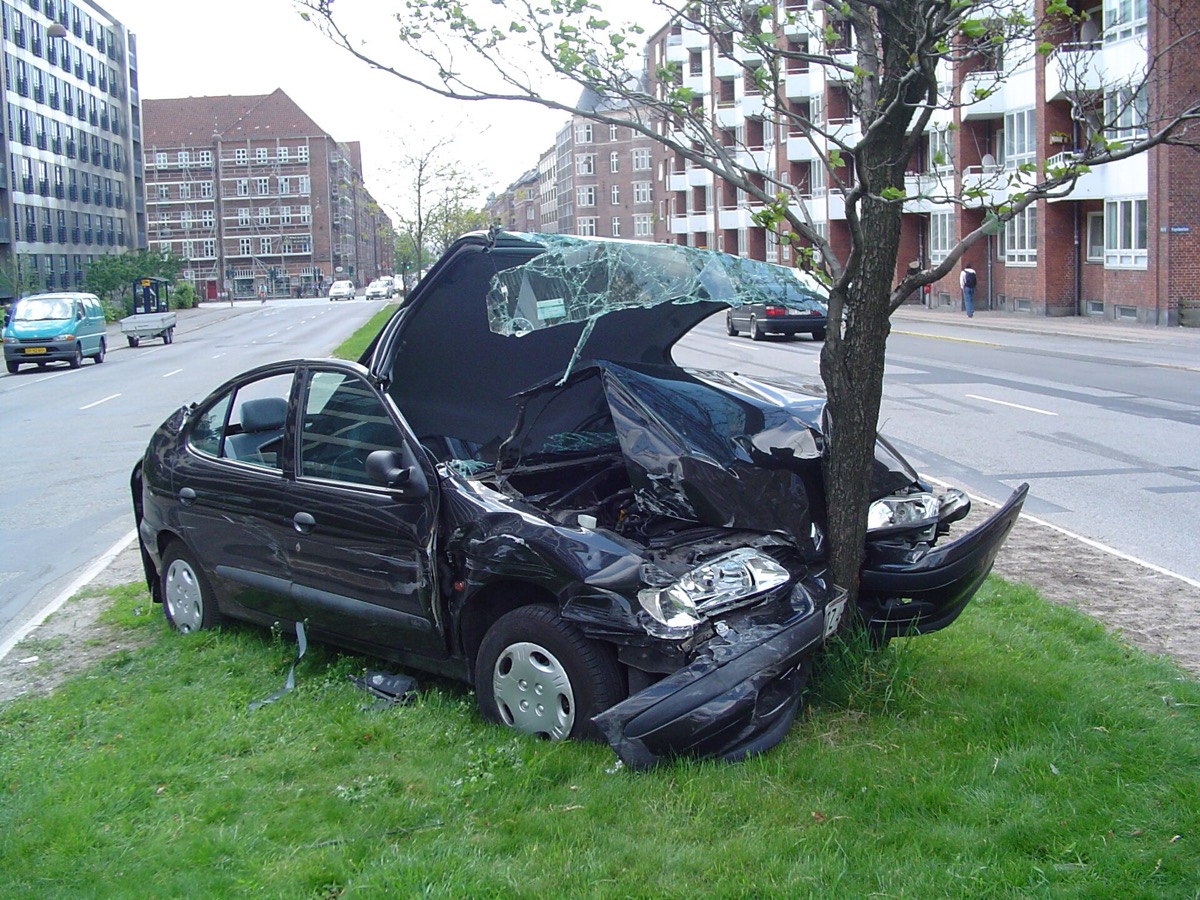 How does one word in a question plant a memory of something that never happened?memory