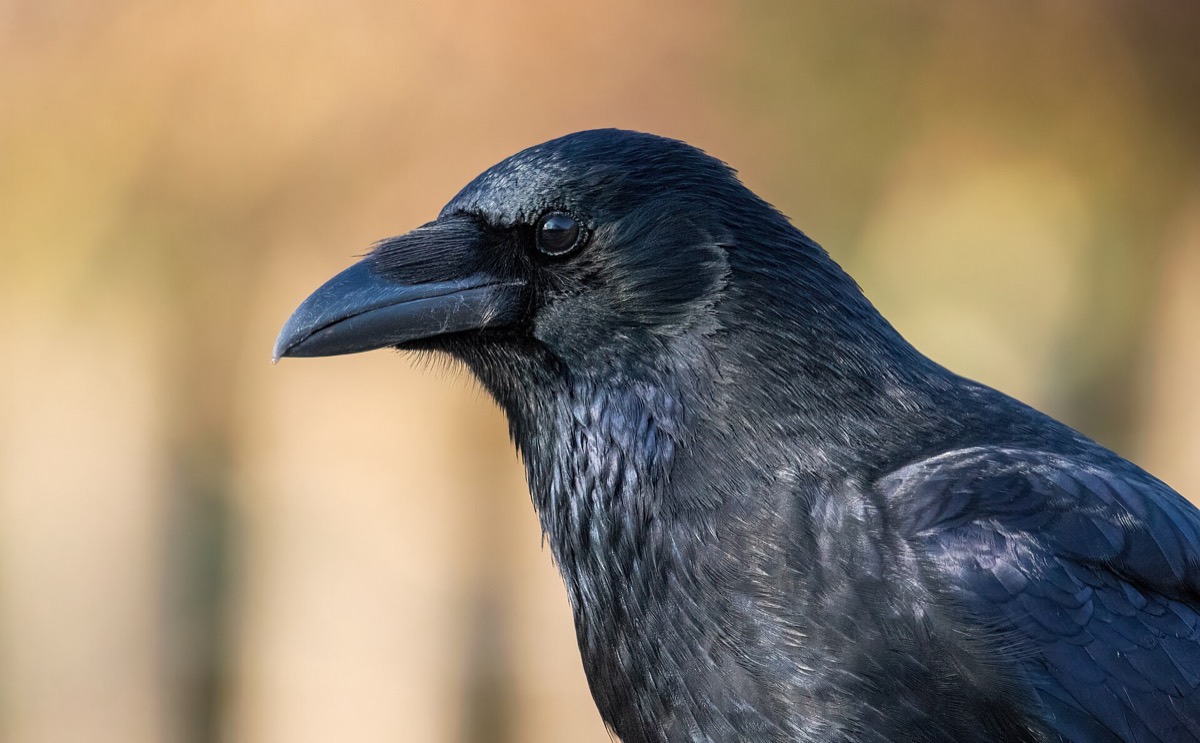
Turn a photograph of a face upside down and human recognition falls off a cliff, far more than for any other kind of picture. That is taken as the signature of a special, holistic way of handling faces. Crows know each other as individuals and can tell human beings apart by the face. Brecht and colleagues asked whether they do it the same way.
They do not. Two learned to tell apart profiles of crow faces and matched control images, shown upright and inverted. Both birds did better with crow faces than with human faces, and both did worse on inverted pictures of any kind. But neither showed the extra penalty that is specific to faces. Human participants, tested the same way, showed it as expected.
In people, recognition and memory for faces suffer disproportionately when the face is upside down, although the upright and inverted images carry identical physical information. Inversion costs about a tenth of accuracy for non-face stimuli and about a quarter for faces. The gap has been read as an indicator of specialized or unusually proficient face processing, possibly a different mechanism altogether.
What inversion disrupts is : the encoding of spatial relations between features, such as how far apart the eyes sit. Human face recognition is thought to rest on that holistic encoding. It shows up early in life and matures over years, which has fed a long argument over whether it is innate or the product of accumulated expertise.
Brecht and colleagues took the question to a species far from the primate line. Carrion crows have socio-cognitive abilities comparable to human and non-human primates, and they can discriminate individual people by the face. Two crows worked a task on profiles of crow faces and matched controls, upright and inverted, and on human faces as well.
Both birds performed better with crow faces than with human faces, and both performed worse on inverted pictures in general. Neither showed a face-specific inversion effect. Human subjects run for comparison showed one, as expected. The authors conclude there is no evidence that crows treat faces as a special class of visual stimulus. Individual recognition in crows may rest on other cues instead, such as the body, or on local features rather than the whole.
wat. The crow knows who you are. It just does not appear to be using your face as a face.
wat wat
Two species can both recognize individuals by sight and still not be solving the same problem. Shared ability is not evidence of shared mechanism.
How do we know?
Brecht and colleagues ran two carrion crows on a delayed matching-to-sample task with crow face profiles, human faces and matched control stimuli, upright and inverted, then repeated the tests with human subjects for comparison.
What is still unknown
Two birds. A null result in a small sample cannot rule out a weaker effect, and the stimuli were profiles rather than frontal views, which may not be how a crow normally looks at another crow.
Learn something?
Where to next
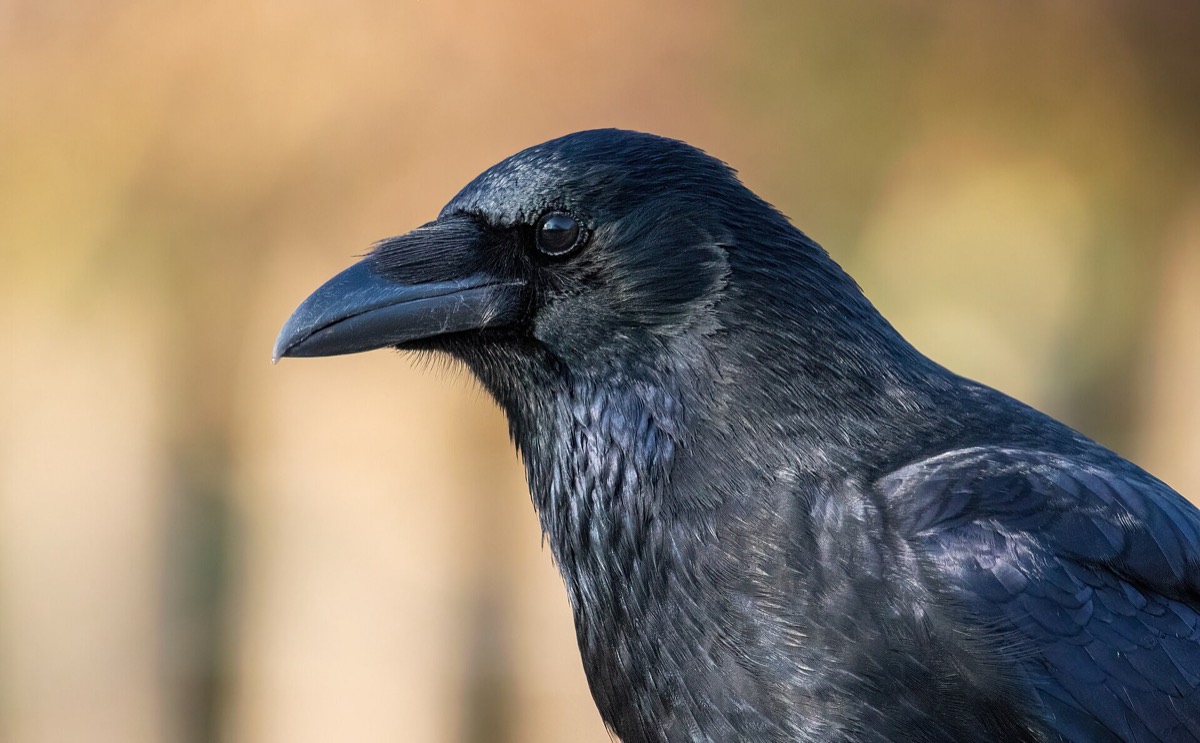 Can a bird see what makes a square different from a lopsided shape?crows
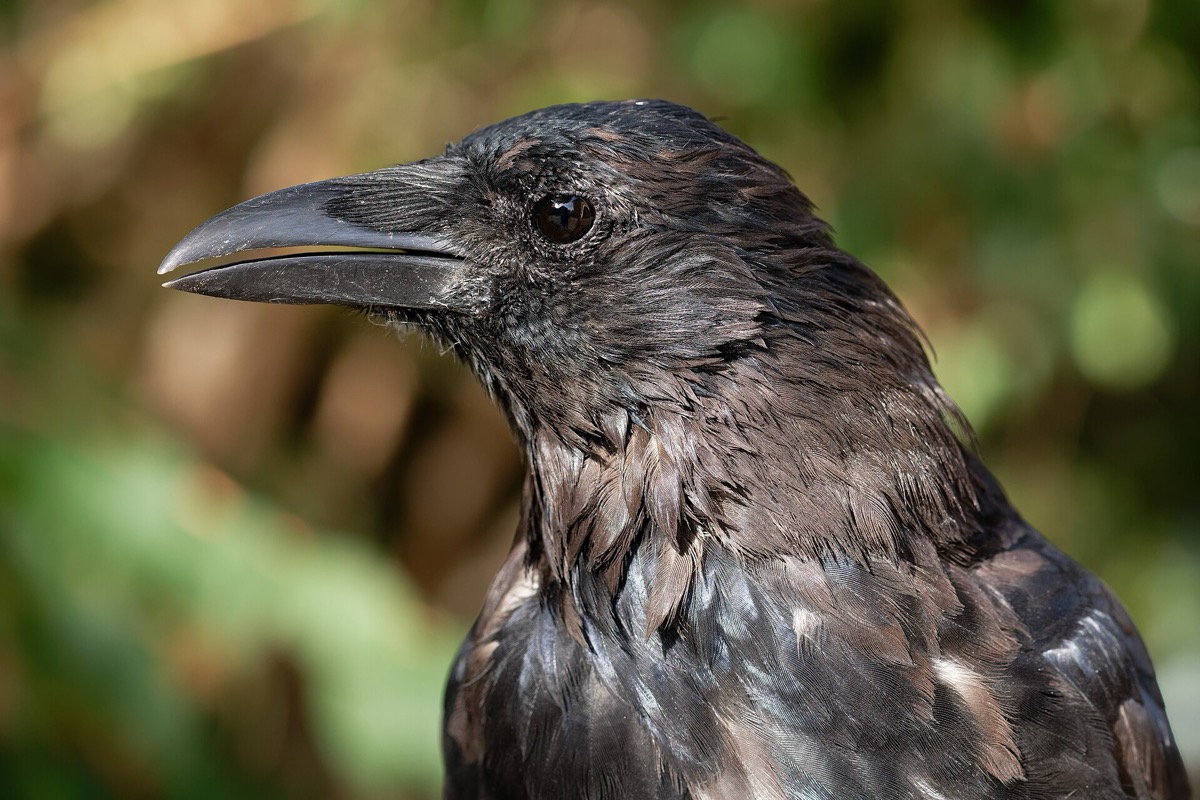 Can a bird decide in advance how many times to call?crows
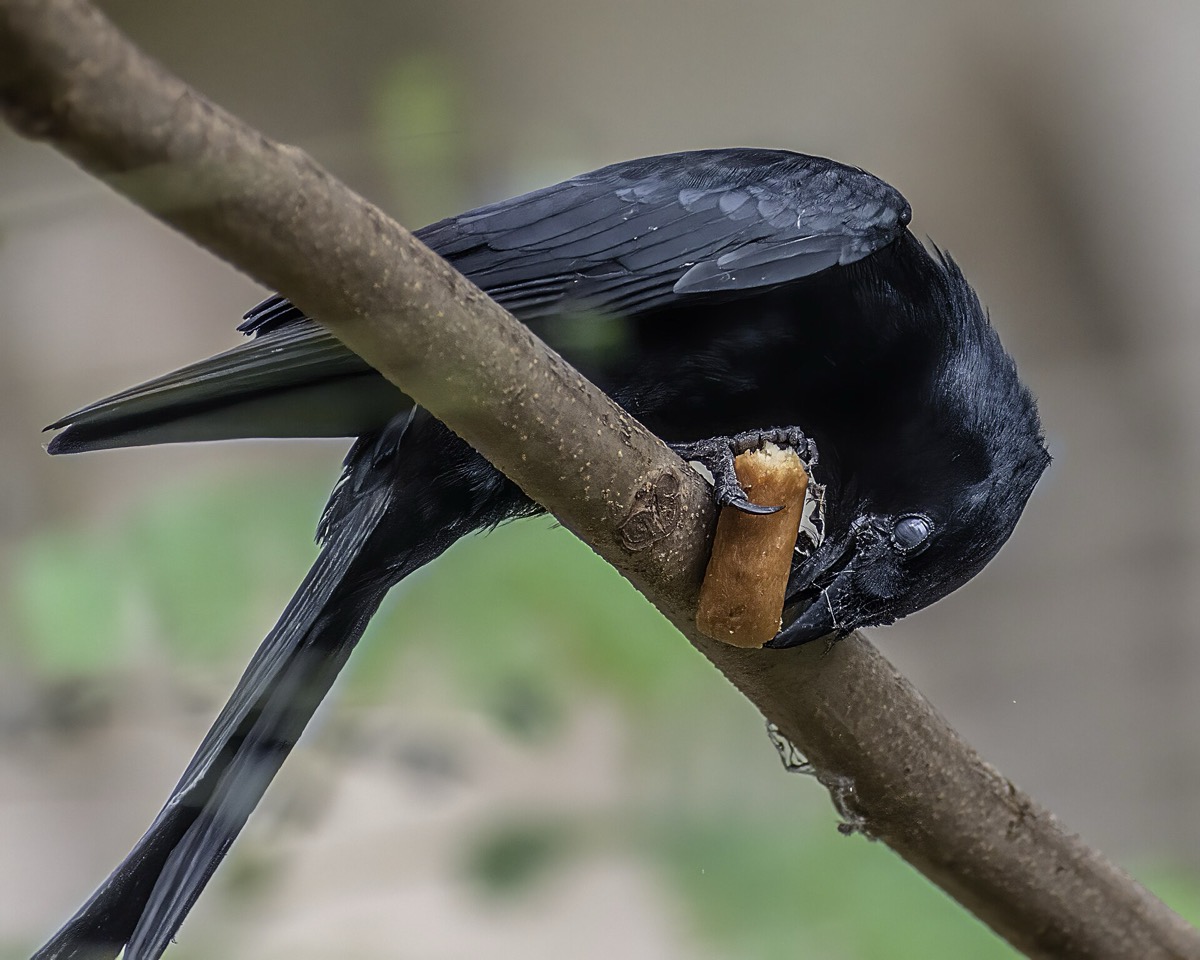 Can an animal build a tool out of pieces that are each useless?crows