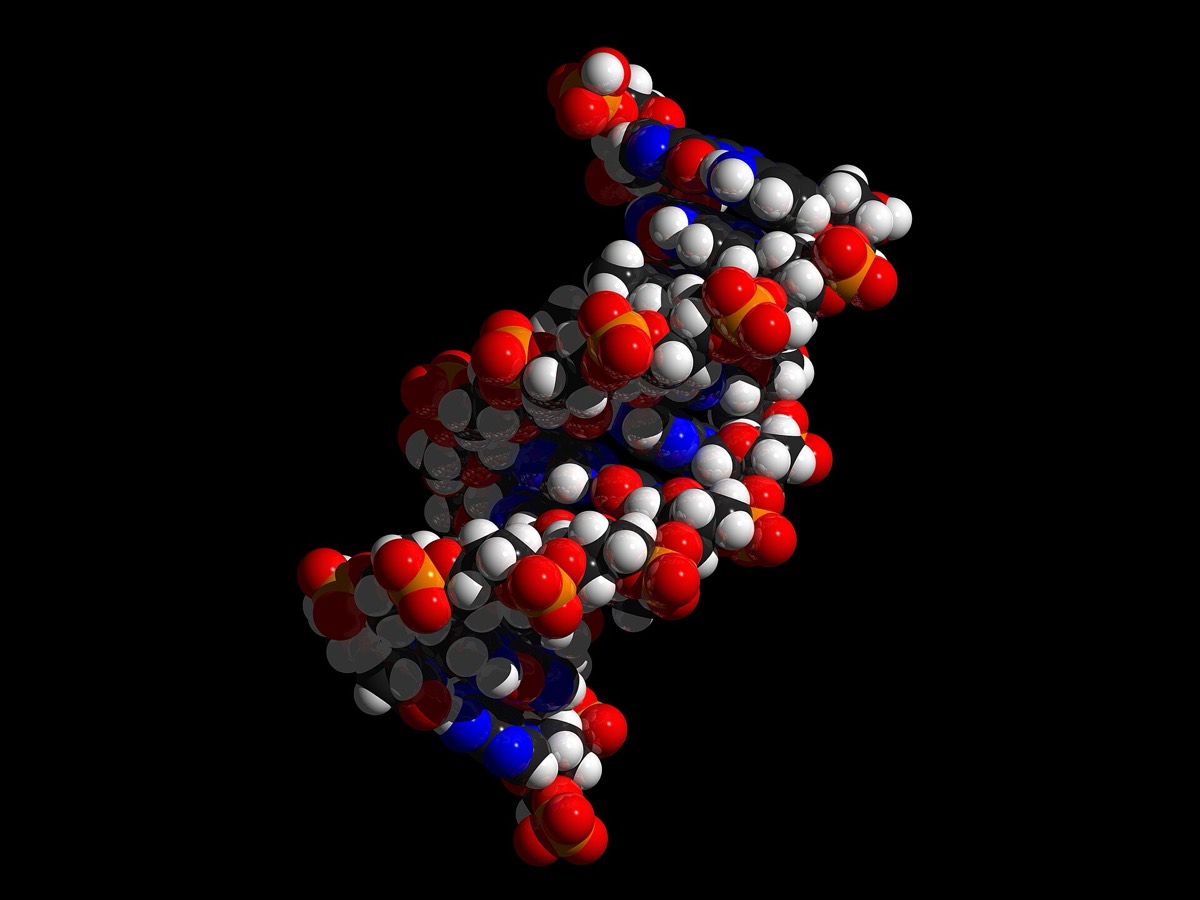
Modifying a gene in a cell used to be slow, difficult and sometimes impossible, which put a ceiling on what anyone could learn about how life works. The method that broke the ceiling took the Nobel Prize in Chemistry in two thousand and twenty, and it was not designed. It was found, in the middle of a project about a dangerous bacterium. What was it doing there?
Defending the bacterium. While studying , Emmanuelle Charpentier found an unknown molecule, , and showed it was part of the bacteria’s ancient immune system, CRISPR and , which disarms viruses by cutting their DNA. She published that in two thousand and eleven and began working with Jennifer Doudna the same year.
Researchers have to modify genes in cells to find out about life’s inner workings, and that work used to be time-consuming, difficult and sometimes impossible. With the CRISPR and Cas9 genetic scissors it became possible to change the code of life in a matter of weeks. The chair of the Nobel Committee for Chemistry called the power in the tool enormous.
It began as pathogen research. Studying Streptococcus pyogenes, one of the bacteria most harmful to humanity, Emmanuelle Charpentier discovered a previously unknown molecule, tracrRNA. She showed that it belongs to an ancient bacterial immune system that disarms viruses by cleaving their DNA. She published in two thousand and eleven.
That same year she began working with Jennifer Doudna, a biochemist with deep knowledge of RNA. Together they recreated the bacterial scissors in a test tube and simplified the molecular components so the thing was easier to use. Then came the step the committee calls epoch-making. In their natural form the scissors recognize viral DNA, and the two showed they could be reprogrammed to cut any DNA molecule at a site chosen in advance.
Use has exploded since two thousand and twelve. Plant researchers have developed crops that withstand pests, drought and fungal attack. Clinical trials of new cancer therapies are underway, and the prospect of curing inherited diseases is no longer rhetorical. The citation itself is plain: for the development of a method for , shared half and half.
wat. Bacteria had been cutting virus DNA at chosen sites for a very long time. The prize was for noticing, and for taking the scissors out.
wat wat
The sharpest tool in gene technology was a bacterial defense system first. Nobody looking for a way to edit human genes would have thought to look in a sore throat.
How do we know?
The Royal Swedish Academy of Sciences press release for the two thousand and twenty chemistry prize sets out what each laureate found, in what order, and what the resulting tool has been used for since.
What is still unknown
A prize announcement, written to award and explain rather than to assess. It states what the technology enables and what trials are underway without weighing the risks that attach to editing inherited genes.
Learn something?
Where to next
 How many bacteria are there really in your body per human cell?bacteria
 The food hit the floor and you grabbed it. Do five seconds really save it?bacteria
 Why do bacteria hold on better to a paper note than a plastic one?bacteria