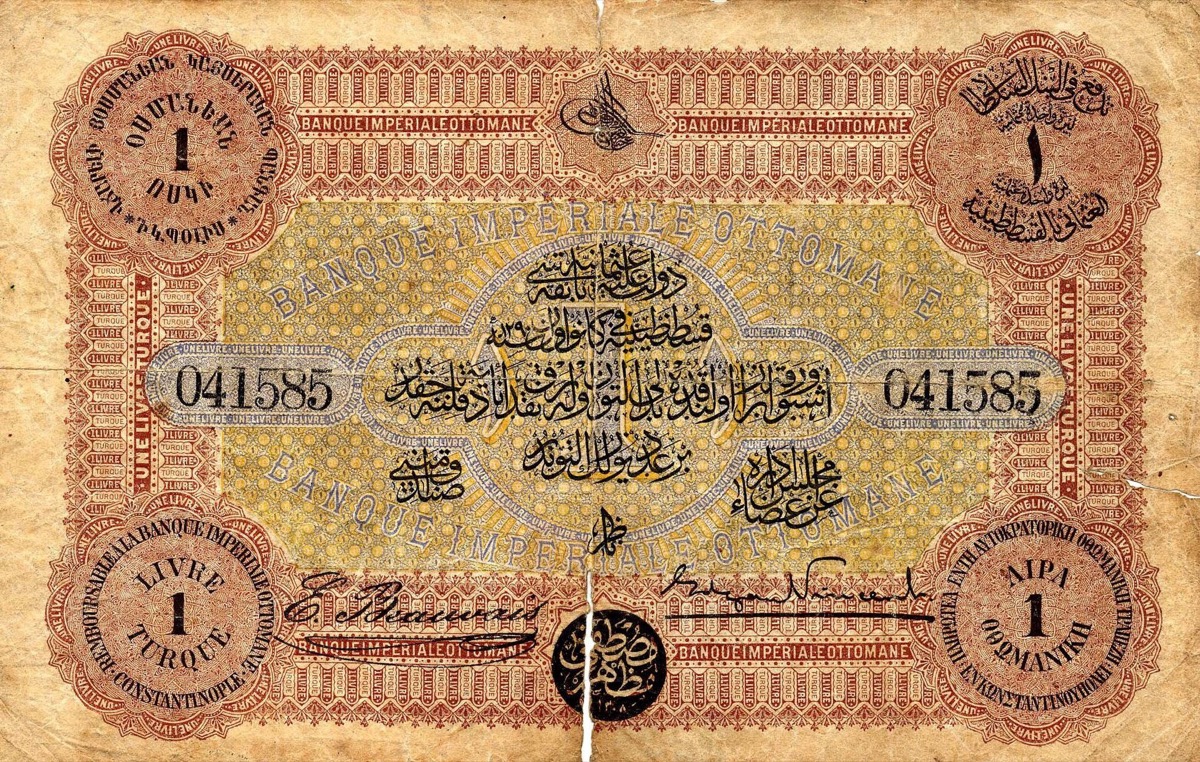
Money passes from hand to hand dozens of times a day, which is why it has a reputation. Coins and banknotes keep showing up in the literature as carriers of microorganisms, and almost none of that work asks how well bacteria actually stick and persist. A paper note, a note and a coin are three different materials. What does that change?
Almost everything. Smooth polymer surfaces turn out to be poor ground for bacteria to adhere to and to survive on, while coarser and more fibrous surfaces give them both grip and somewhere to live. Coins went further and were strongly inhibitory, with a rapid decline in survival on nearly every coin surface tested, which is chemistry rather than .
Cash is assumed to be dirty because it circulates, and the literature is full of studies finding microorganisms on it. What most of them skip is the question that decides whether any of it matters: how well do bacteria adhere to money, and how long do they last there.
Two things work for the bacterium on paper. The fibers create a rough, porous surface with places to grip, and moisture stays in the crevices. A bacterium needs both, and a smooth polymer film supplies neither, which is why polymer notes came out markedly worse as habitat.
Coins work by a different mechanism entirely. Copper and its alloys release that damage bacterial cells, so most coin surfaces showed a rapid decline in survival, and the authors turned coins into antimicrobial disks to show the effect directly. Coins in circulation still carry low levels of bacteria, which is rather than any failure of the metal.
The honest reading is narrow. Survival in a laboratory is not disease transmission in a shop, and results differ between bacteria and materials. What it does inform is design rather than behavior: countries moved to polymer notes for durability and forgery resistance, and this adds a hygienic argument they were not making.
wat. A fibrous note offers bacteria more places to hold on than a smooth polymer one does.
wat wat
How risky a surface is does not follow only from how many people touch it, since the structure and the chemistry of the material decide what survives the touching.
How do we know?
Vriesekoop and colleagues treated the currencies as microcosms and the bacterial load from human hands as the matching microbiome, then measured adherence and survival over time on each material.
What is still unknown
Survival in a laboratory is not transmission of disease in daily life, and the results vary between bacteria and between materials.
Learn something?
Where to next
 The food hit the floor and you grabbed it. Do five seconds really save it?bacteria
 An air dryer spreads more bacteria than a paper towel. Is that always true?hygiene
 How many bacteria are there really in your body per human cell?bacteria