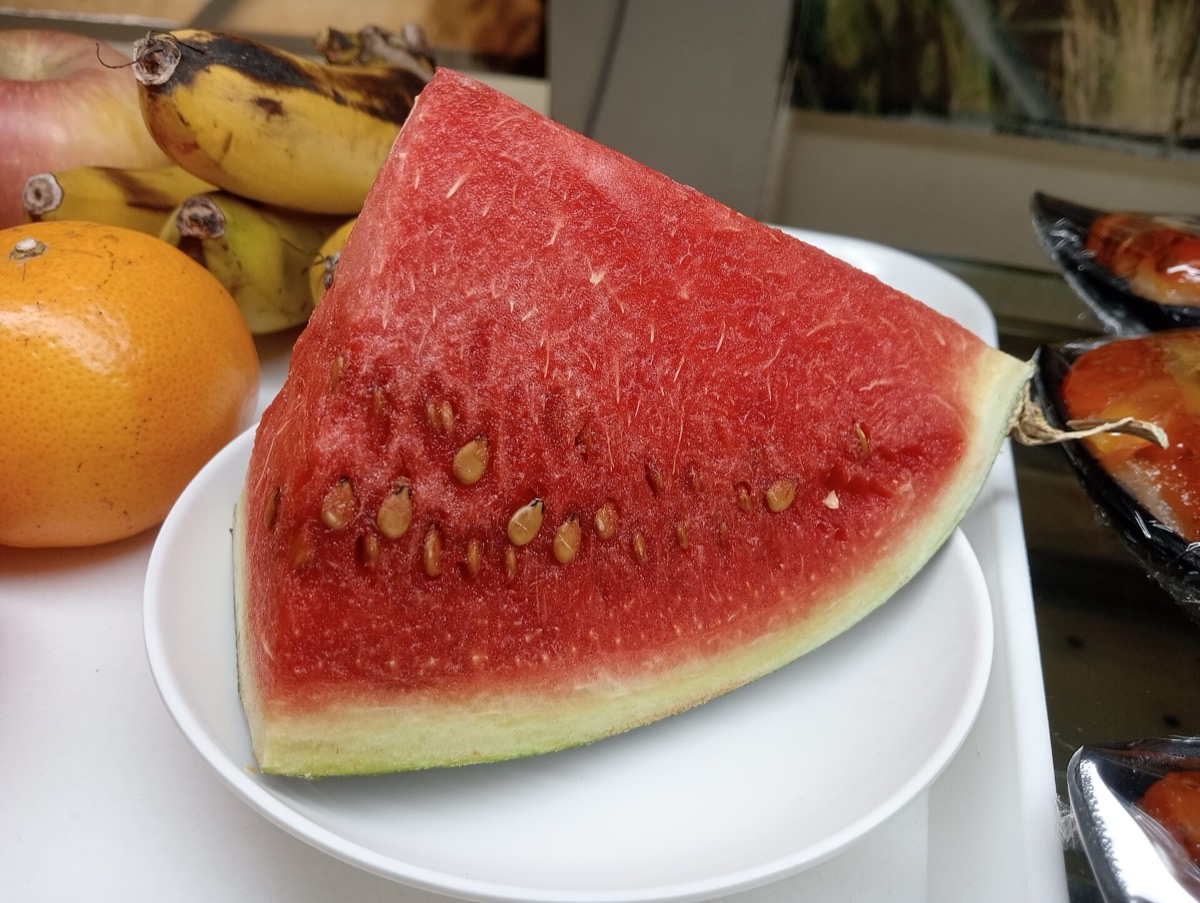
assumes a window during which food is still clean, because bacteria supposedly need time to cross. To test it, researchers contaminated stainless steel, ceramic tile, wood and carpet, then dropped watermelon, bread, buttered bread and gummy candy onto them for four different . What transferred, and when?
Longer contact did transfer more, and transfer could happen immediately. Contact time, food and surface all mattered enormously, and wet watermelon picked up the most, up to 97 percent of what was on the surface, while gummy candy picked up the least. So there is no five-second threshold. The risk depends on the food, the surface, the bacteria and the time together.
The five-second rule has been tested on television more than in the literature, which is a reason to look at it properly rather than a reason to dismiss it. The underlying claim is testable: that bacteria need measurable time to cross from a surface to food.
The design was a grid. Four surfaces, four foods, four contact times from under a second to 300, and two bacterial preparations, giving 128 combinations with replicates. Surfaces were inoculated and left to dry for five hours before anything was dropped on them.
Contact time, food type and all had highly significant effects. Watermelon took up the most, with transfer running as high as 97 percent, and gummy candy the least. The of the food is doing most of that work, since bacteria move in liquid.
The rule does not survive, and the kernel inside it does. Longer contact really does transfer more, and transfer starts immediately rather than waiting for a five-second gun to fire. This is also a laboratory with one strain at a high concentration, measuring bacteria that crossed rather than illnesses that followed.
wat. Wet watermelon collected bacteria from the floor in under a second, while dry gummy candy collected far fewer.
wat wat
A rule that is easy to remember has replaced an assessment that is genuinely complicated, and in this case the rule mostly hands out reassurance it cannot back.
How do we know?
Miranda and Schaffner tested 128 combinations: four foods, four surfaces, four contact times of under a second, 5, 30 and 300 seconds, and two ways of preparing the bacteria, with replicates for each.
What is still unknown
A laboratory experiment with one bacterial strain at a high, controlled concentration. It measured how many bacteria crossed, not the chance that anybody at home would actually get sick.
Learn something?
Where to next
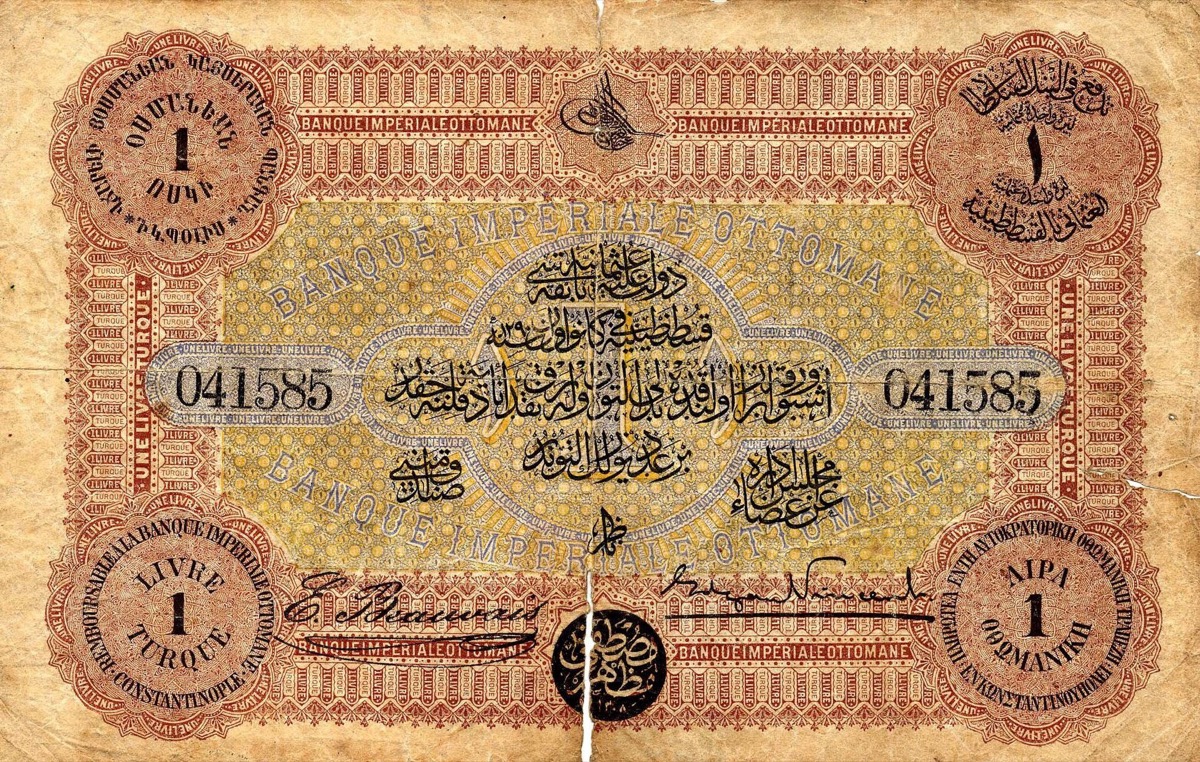 Why do bacteria hold on better to a paper note than a plastic one?bacteria
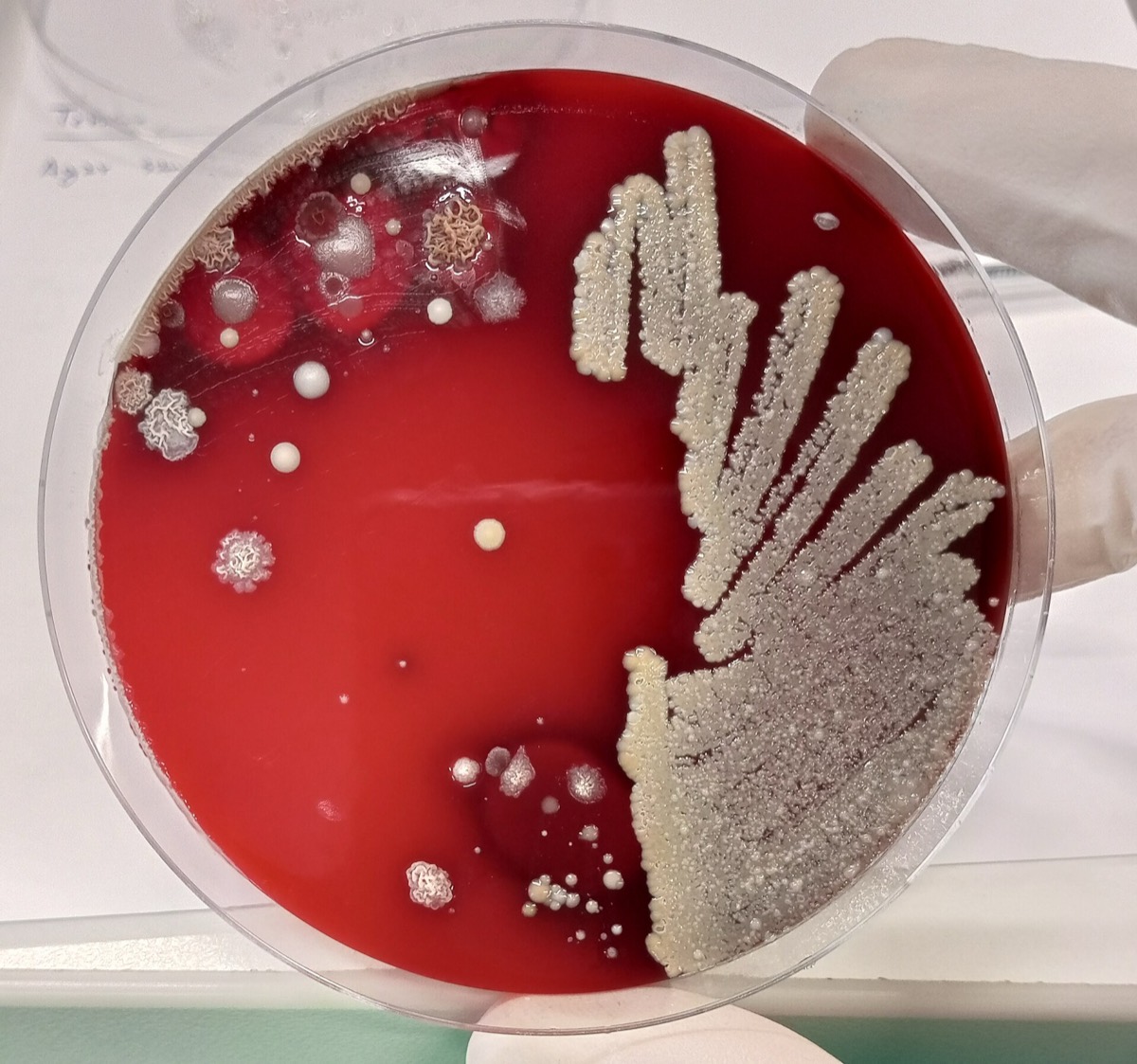 An air dryer spreads more bacteria than a paper towel. Is that always true?hygiene
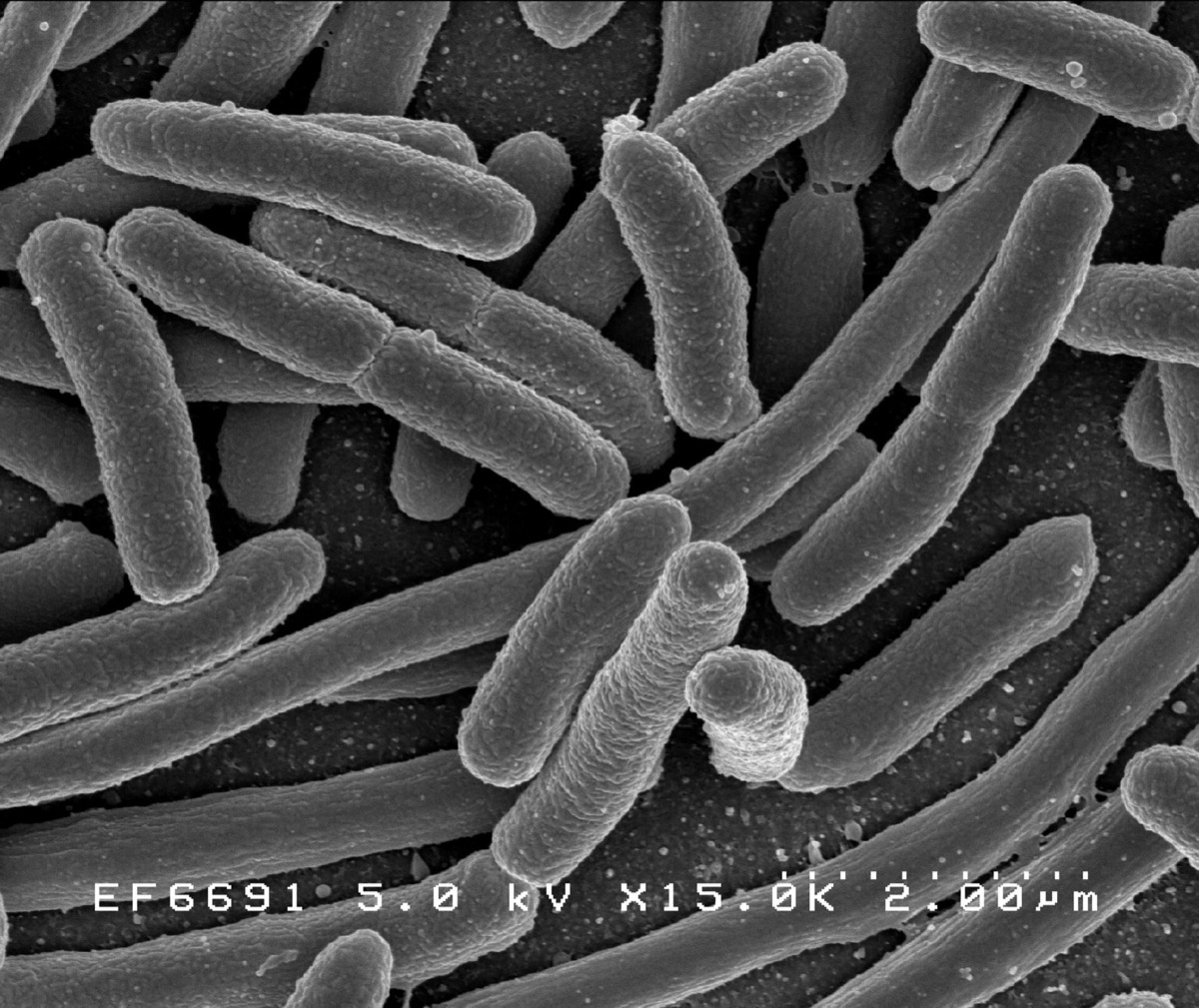 How many bacteria are there really in your body per human cell?bacteria