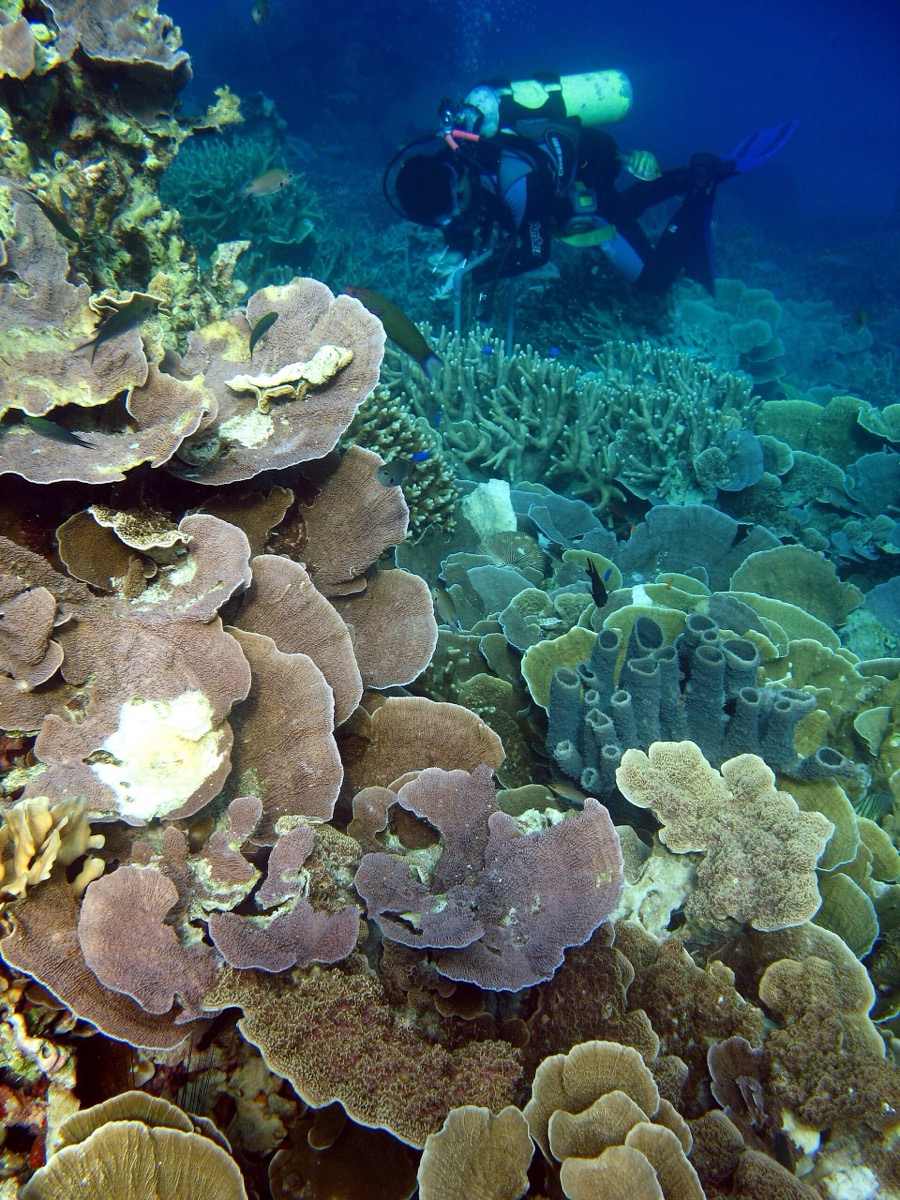
reef fishes move energy from seabed invertebrates up to larger predators, and they need varied bottom habitat to hunt across. Climate change and local stressors are turning more and more reef into , which has little structure and yet holds plenty of prey. Goberdhan and colleagues combined twenty-eight years of Seychelles monitoring with disturbance and foraging experiments. Who feeds on rubble?
It depends on whether the rubble is sitting still. At reef scale, invertivorous fish communities are highly distinct between , rubble-dominated against hard substrate or macroalgal, and the regime shapes which fish associate with static, unconsolidated rubble. Disturb that rubble physically and the differences between regimes diminish: a consistent subset of invertivorous fishes moves in rapidly, whatever regime the reef is in.
Invertivorous reef fishes do a specific job. They take energy out of benthic invertebrates and pass it to higher trophic levels, and doing it requires a range of bottom habitats to forage across, because the prey are spread unevenly through them.
Climate change and local stressors are reshaping those habitats, and coral rubble is becoming increasingly dominant. Rubble has low , which normally means poor habitat, and yet it supports abundant invertebrates. That combination is both an opportunity and a problem for a fish hunting there, and the foraging ecology of rubble has been understudied.
Goberdhan and colleagues combined twenty-eight years of reef fish and benthic community monitoring from the inner Seychelles with targeted experiments: disturbing rubble, and watching fish forage. The reef-scale picture came out sharply divided. Invertivorous fish communities are highly distinct among benthic regimes, and the regime a reef sits in influences which fish turn up on its static, unconsolidated rubble.
Disturbance collapses that distinction. When unconsolidated rubble is physically disturbed, the differences among regimes diminish, and a consistent subset of invertivorous fishes rapidly exploits the rubble across all of them. That names the species likely to hold a competitive advantage on rubble-dominated reefs, which matters for how trophic interactions and resource use will look as more reefs end up that way.
wat. Still rubble feeds whoever already lives there. Turn it over and the same opportunists arrive, wherever the reef is.
wat wat
Rubble is becoming the dominant reef habitat, so knowing which fish can exploit it is knowing which species hold an advantage on the reefs we are heading toward.
How do we know?
Goberdhan and colleagues combined twenty-eight years of reef fish and benthic community monitoring in the inner Seychelles with targeted rubble disturbance and fish foraging experiments.
What is still unknown
One island group, and a disturbance experiment is a short-term stand-in for whatever actually turns rubble over in the field, such as storms or large grazers.
Learn something?
Where to next
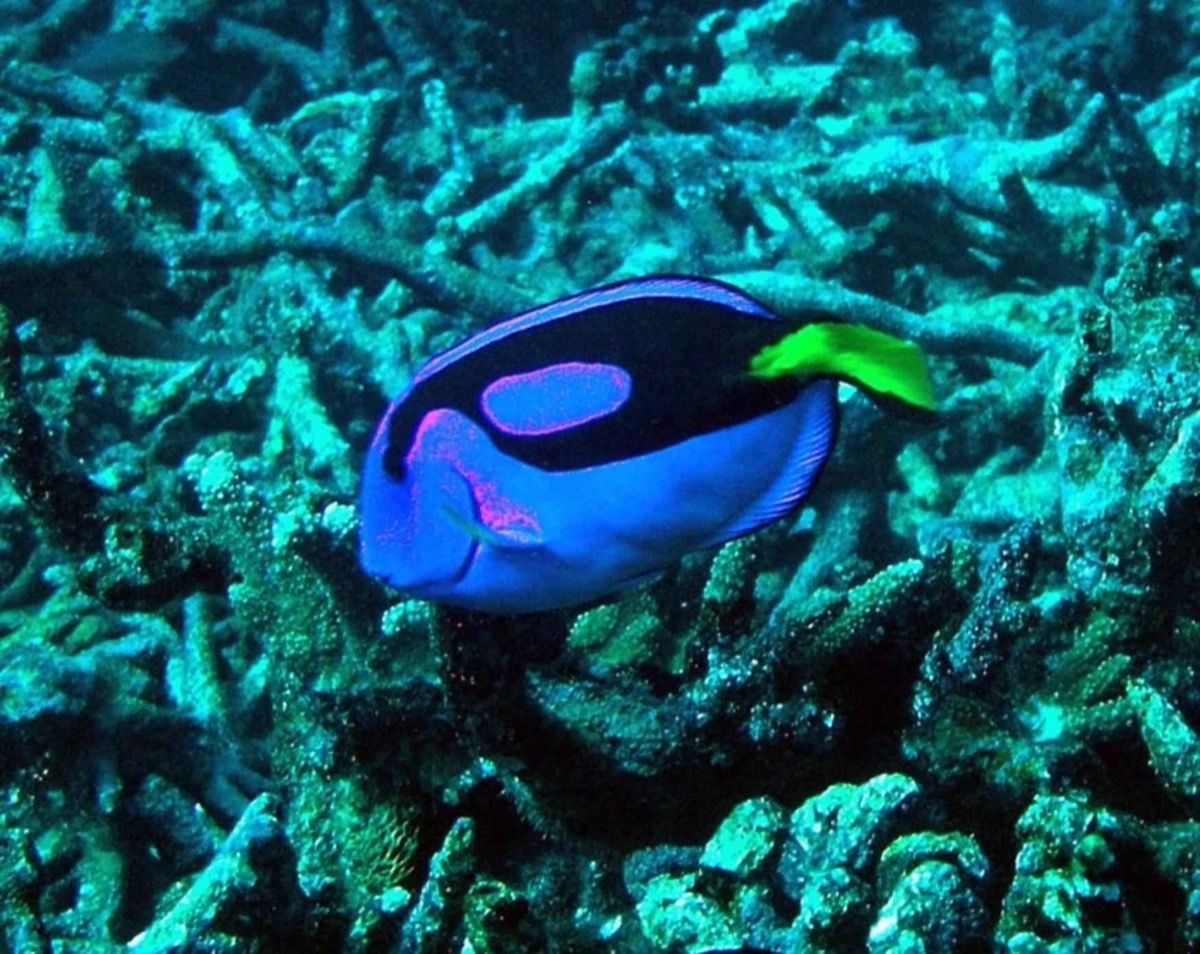 Does more acidic seawater really scramble a reef fish’s senses?reef fish
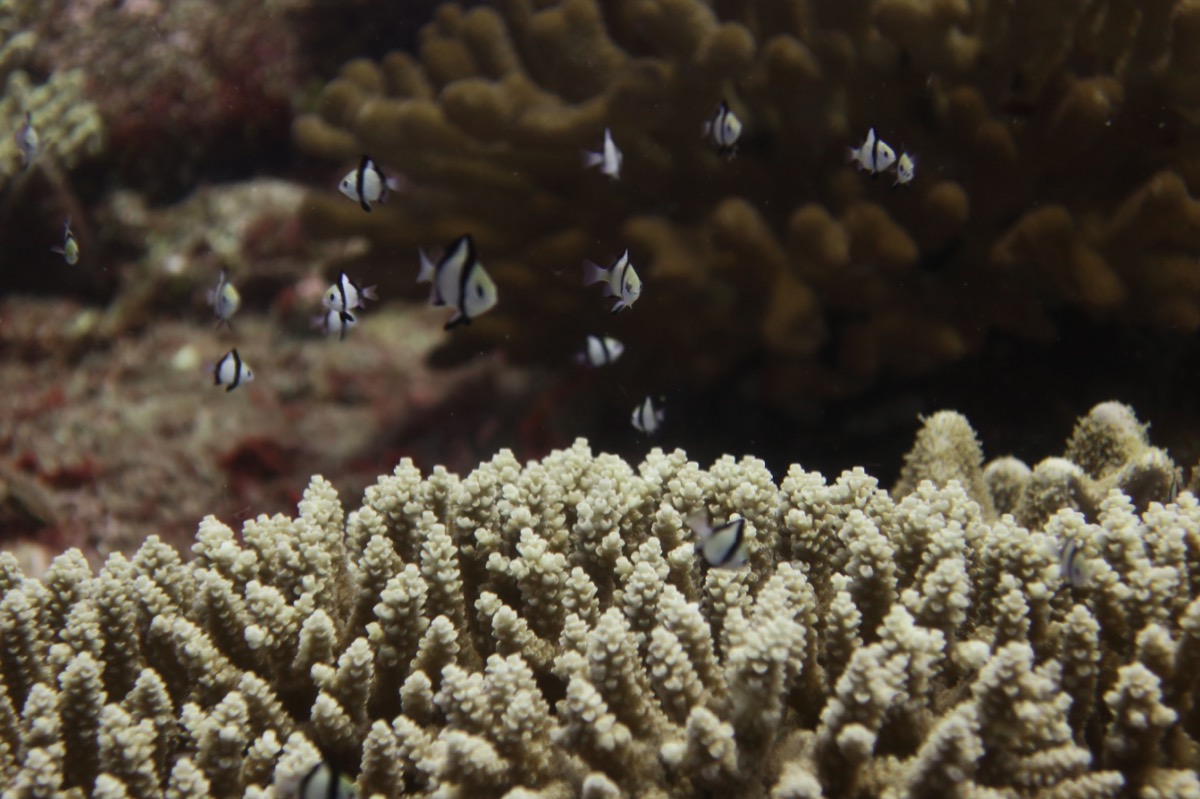 Does a coral do better with fish living inside it?coral
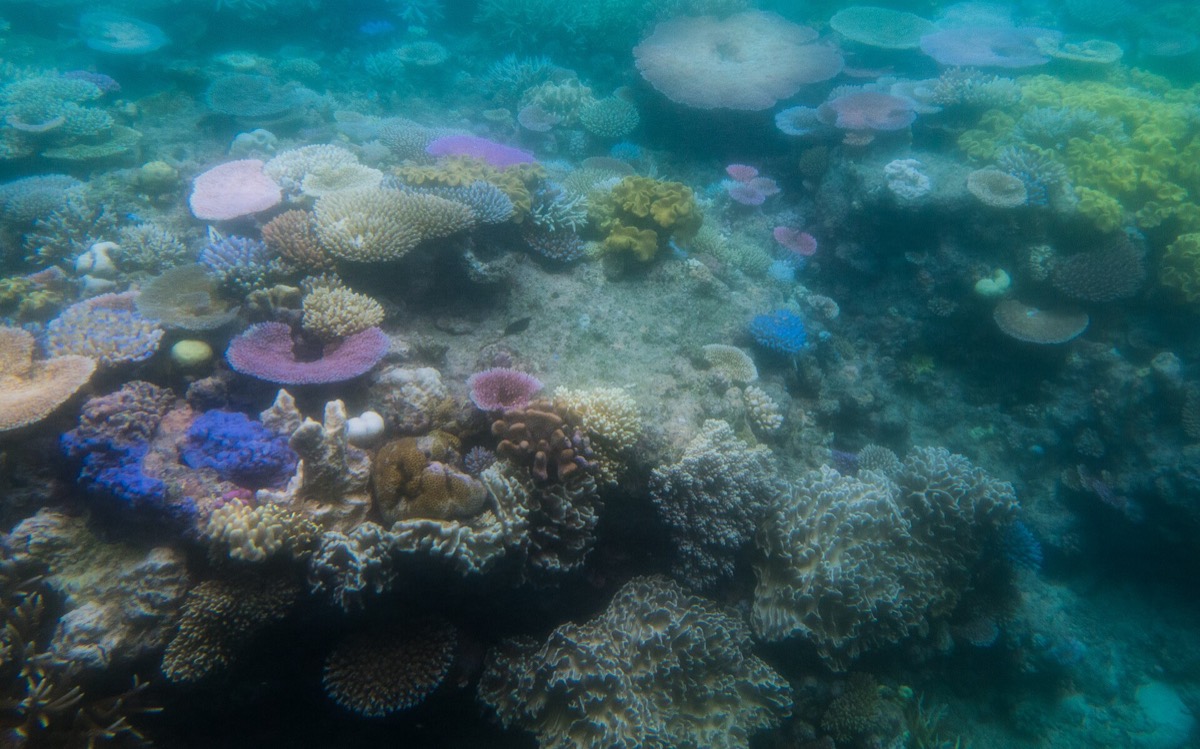 What is a coral losing when it turns white?coral