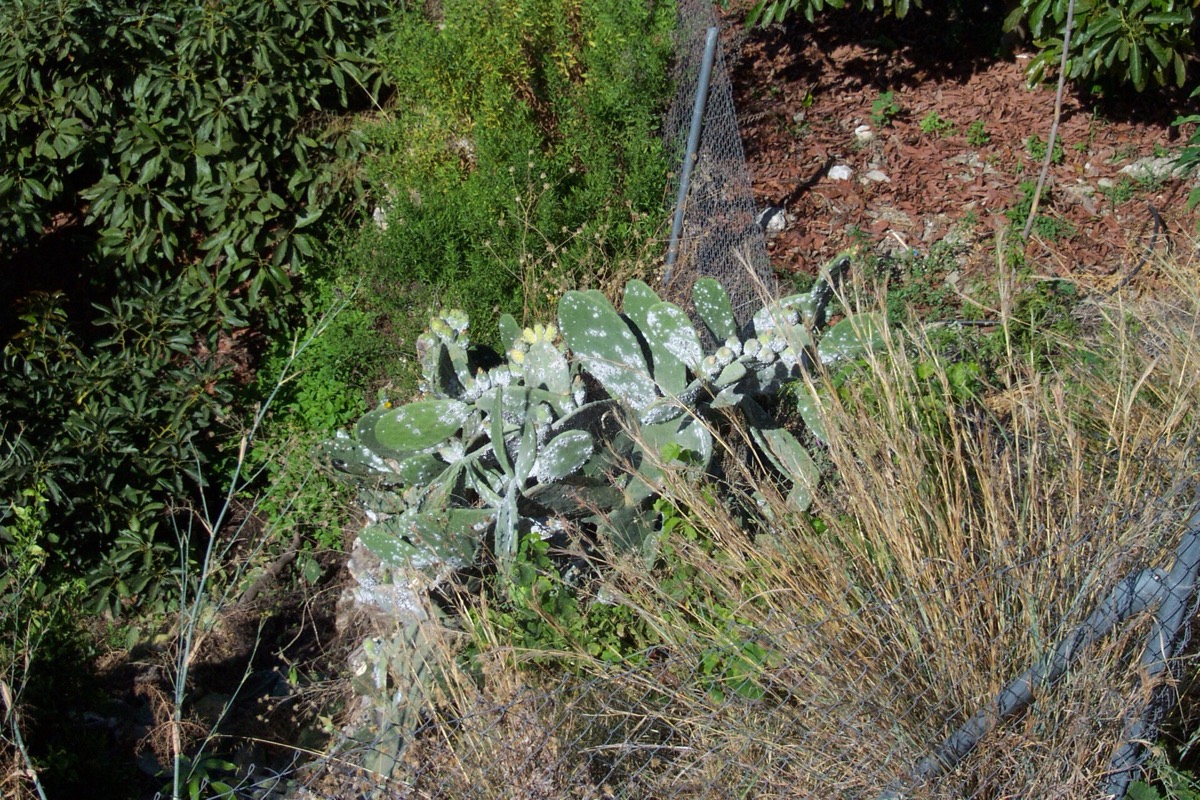
Three separate groups of insects supplied red dye for most of recorded history: the cochineal dyes, the dye and the lac dye. All three share a chemistry and differ in which acid carries the color. Cooksey reviewed the structures, the histories and what became of each of them. Which one survived into industry?
Only American cochineal. Of the three groups it is the single one of commercial importance today, and its color comes from . Two manufactured derivatives carry it into use: , and acid-stable carmine, which is 4-aminocarminic acid. The review sets out the chemical identity, toxicity and stability of both, along with the staining and non-staining applications each one serves.
Red is the hard color to get out of nature, and for most of recorded history the best answers were insects. Three groups supplied them: the cochineal dyes, the kermes dye and the lac dye, each from a different insect and a different part of the world.
The chemistry is closer than the histories suggest. The major color components are carminic acid in the cochineal dyes, kermesic acid in kermes, and laccaic acids in lac, and every one of them is a red derivative. Cooksey sets out the structures, which is where the family resemblance becomes plain.
The histories are extensive and the review relates them only briefly, because the commercial story has a short ending. Of the three groups, only American cochineal is of importance today. The others survive in the historical record rather than in production.
What carries cochineal into modern use is not the raw dye but two manufactured derivatives. Carmine is the first and acid-stable carmine is the second. The review treats both in some detail, covering chemical identity, toxicity and stability, and the applications they serve, which divide into staining uses and non-staining ones.
wat. Three insect reds, one family of molecules, and only one of them still being farmed for the color.
wat wat
A dye that outlasted every synthetic challenger in certain uses is worth understanding chemically, since what keeps it in production is stability and behavior rather than nostalgia.
How do we know?
Cooksey reviewed the three groups of red insect dyes, describing their major color components and chemical structures, relating their histories briefly, and treating the two manufactured cochineal derivatives in detail.
What is still unknown
A review of chemistry and history rather than new measurements. It describes what the derivatives are and where they are used, not how any particular application performs against an alternative.
Learn something?
Where to next
 How does a small beetle fire liquid at boiling point?insects
 Do zebra stripes put a fly off from far away, or only up close?insects
 What is a glowing mushroom glowing for?insects