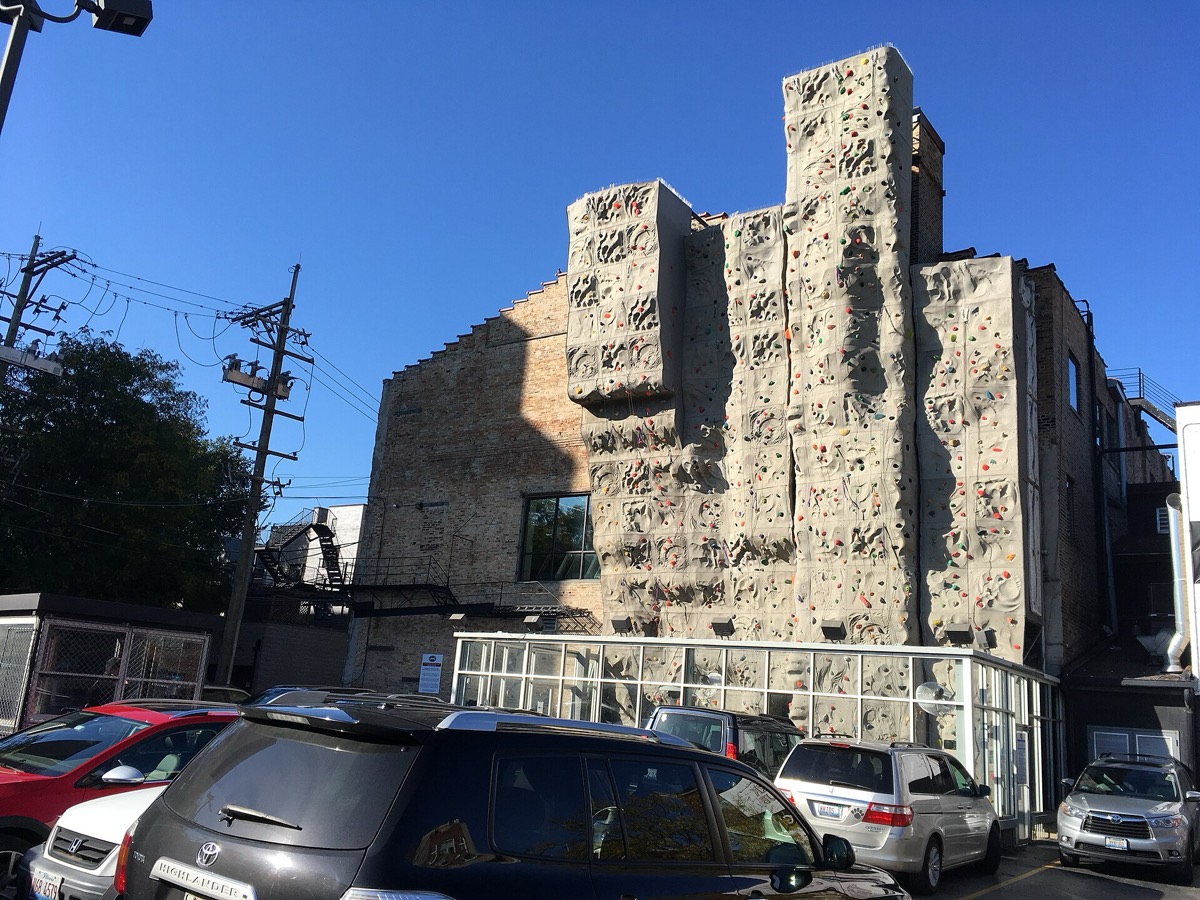
Climbers scan the and rehearse a route in their heads before they start, and it is hard to tell whether that buys them anything. To check, 18 climbers previewed a route wearing a portable , which recorded exactly where they looked. Then they climbed it. What was the relation?
The holds they had looked at got used twice as often as the ones they had not. also lasted longer on the holds that ended up in the climb. The more experienced climbers moved faster and spent less time looking at holds they never used. This ties the planning to the execution, and it does not prove that a glance is what makes a hold get chosen.
A climber standing at the foot of a wall can see many more holds than the climb will use. Before starting there is time to judge height, spacing and orientation, and to assemble a plausible sequence of moves in the head.
Eighteen climbers were given that time while a portable eye tracker logged where they looked. Then they climbed, and the researchers compared the holds inspected during the preview with the holds the hands and feet actually found.
Holds that had been looked at were used about twice as often as holds that had not, and fixations ran longer on the ones that ended up in the climb. Among climbers with more training years, the ascent was faster and less time went on holds that were never used.
Gaze and choice can both follow from the same cause, such as a hold that is simply obvious or comfortable, so the lesson is not to stare at every grip for longer. What the study supports is the idea of : the looking is already part of the climbing, and experience shows up in it before anybody leaves the ground.
wat. Climbers used the holds they had studied from the ground about twice as often as the holds they had skipped.
wat wat
Physical skill includes gathering information in advance, so training the eyes from the ground is part of the sport rather than a ritual before it.
How do we know?
Eye tracking during the preview was matched against video of the ascent and against the list of holds each climber actually used, with training years recorded for every participant.
What is still unknown
This is 18 climbers on one experimental route. An obvious hold may attract both the gaze and the hand for the same reason, which leaves the simple causal story unproven.
Learn something?
Where to next
 Does climbing chalk really help you hold on to rock?climbing
 Are experienced football referees always more accurate?eye tracking
 What do the eyes do in the instant before an accurate shot?eye tracking