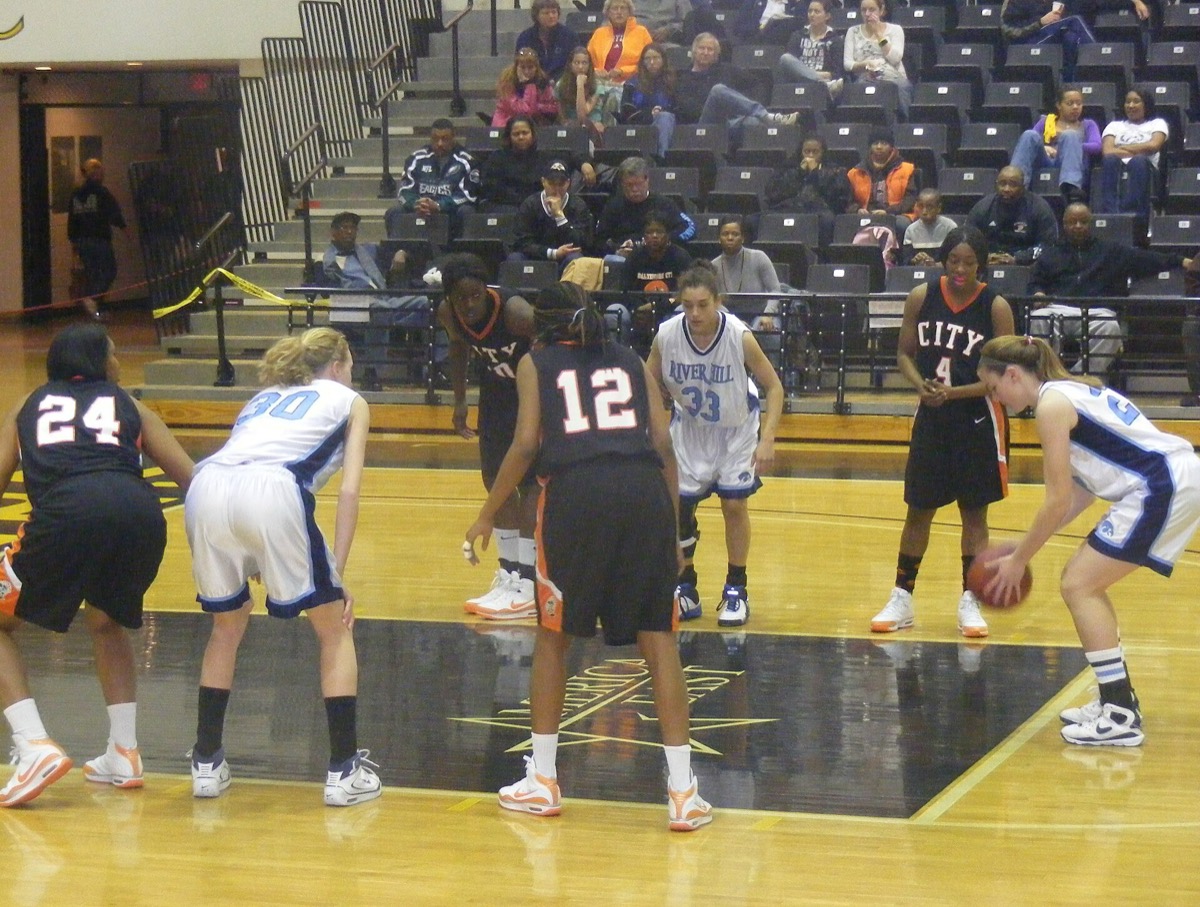
The is not a motionless eye. It is the final on the target, held just before a precise action begins, and scientists studying the gaze of athletes have found that skilled performers hold it longer than less-skilled ones do. A review asked what that duration is actually doing. How much can be concluded from it?
Less than the training industry claims. The longer fixation is a reliable characteristic of skilled performance, and the cognitive mechanism behind it, specifically how the duration affects performance, is not yet fully understood. The review examines the functional mechanism and the neural networks that may be involved, and it is candid that measurement and definition of the quiet eye remain unsettled.
Fast performance runs on information gathered before the movement. Once a swing has started the window for shrinks, so whatever the brain is going to do with the target has to happen first.
That is where the quiet eye sits, and shows in it. Experts tend to hold an earlier and longer final fixation, particularly when the task is complex, and the finding has been replicated across shooting, golf and other precision tasks.
What it means is less settled. The review examines proposed functional mechanisms and the neural networks that might support them, and reaches no single account of how fixation duration translates into accuracy.
The central caveat is definitional. Different studies measure the fixation differently, so one name covers phenomena that may not be the same thing, which is part of why the mechanism stays disputed. It also means artificially extending a gaze is not a training shortcut.
wat. Before a precise action, experts leave their gaze on the target a little longer than beginners do.
wat wat
Accuracy starts with gathering information before a muscle moves, so gaze training may belong in a preparation routine beside technique and repetition.
How do we know?
Gonzalez and colleagues reviewed research on the functional mechanism underlying the quiet eye, discussed the neural networks that may be involved, and set out the limitations in how researchers measure and define it.
What is still unknown
Definitions and measurement methods vary between studies, so one name covers phenomena that are not necessarily the same, and the causal mechanism is not agreed.
Learn something?
Where to next
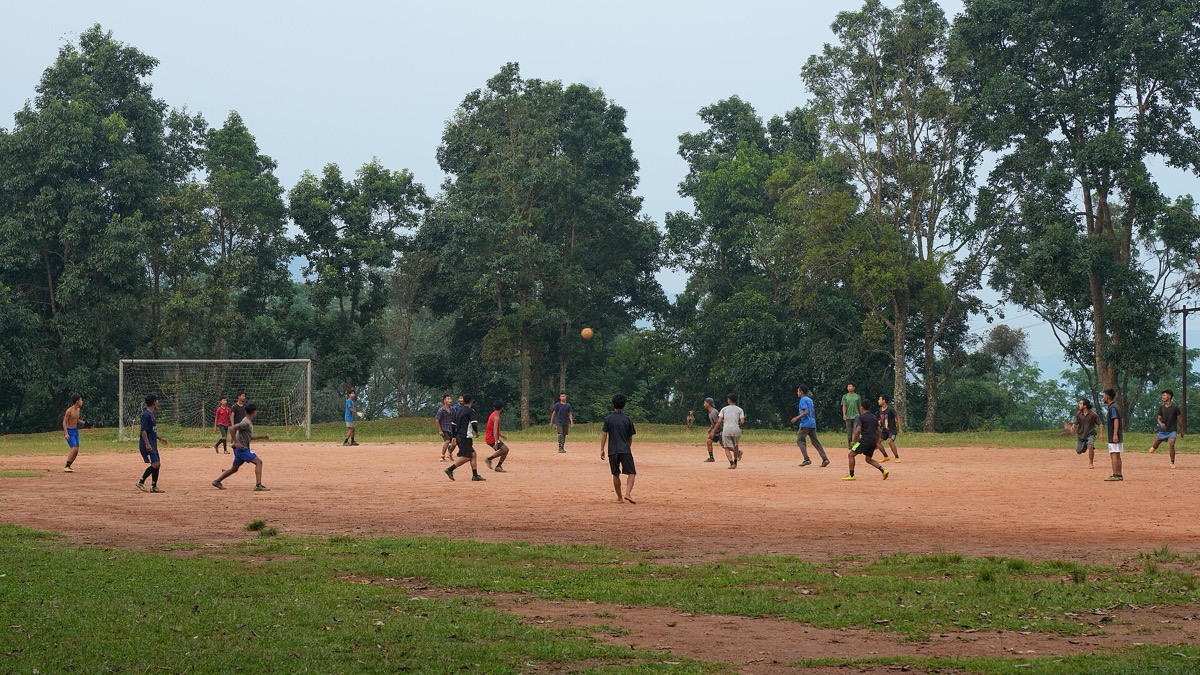 Can a tiring day in your head spoil a pass on the pitch?accuracy
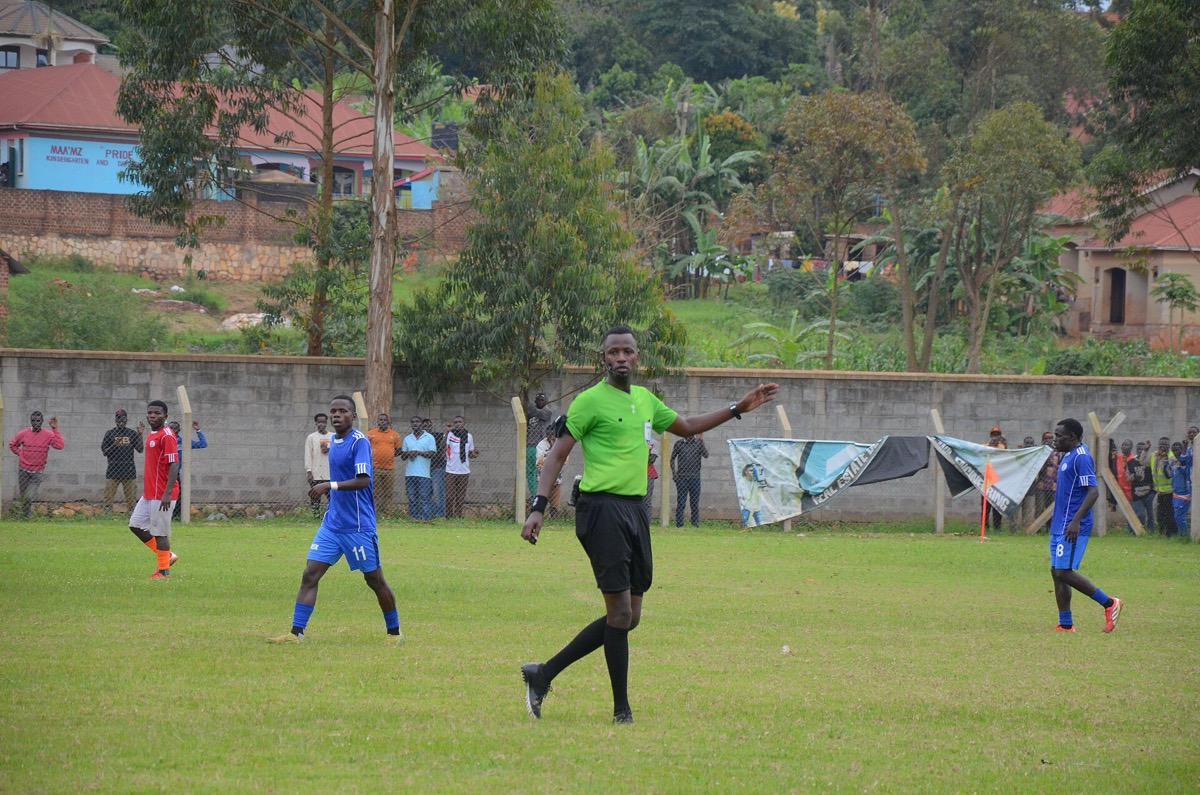 Are experienced football referees always more accurate?eye tracking
 Does climbing a wall begin while you are still standing below it, looking?eye tracking