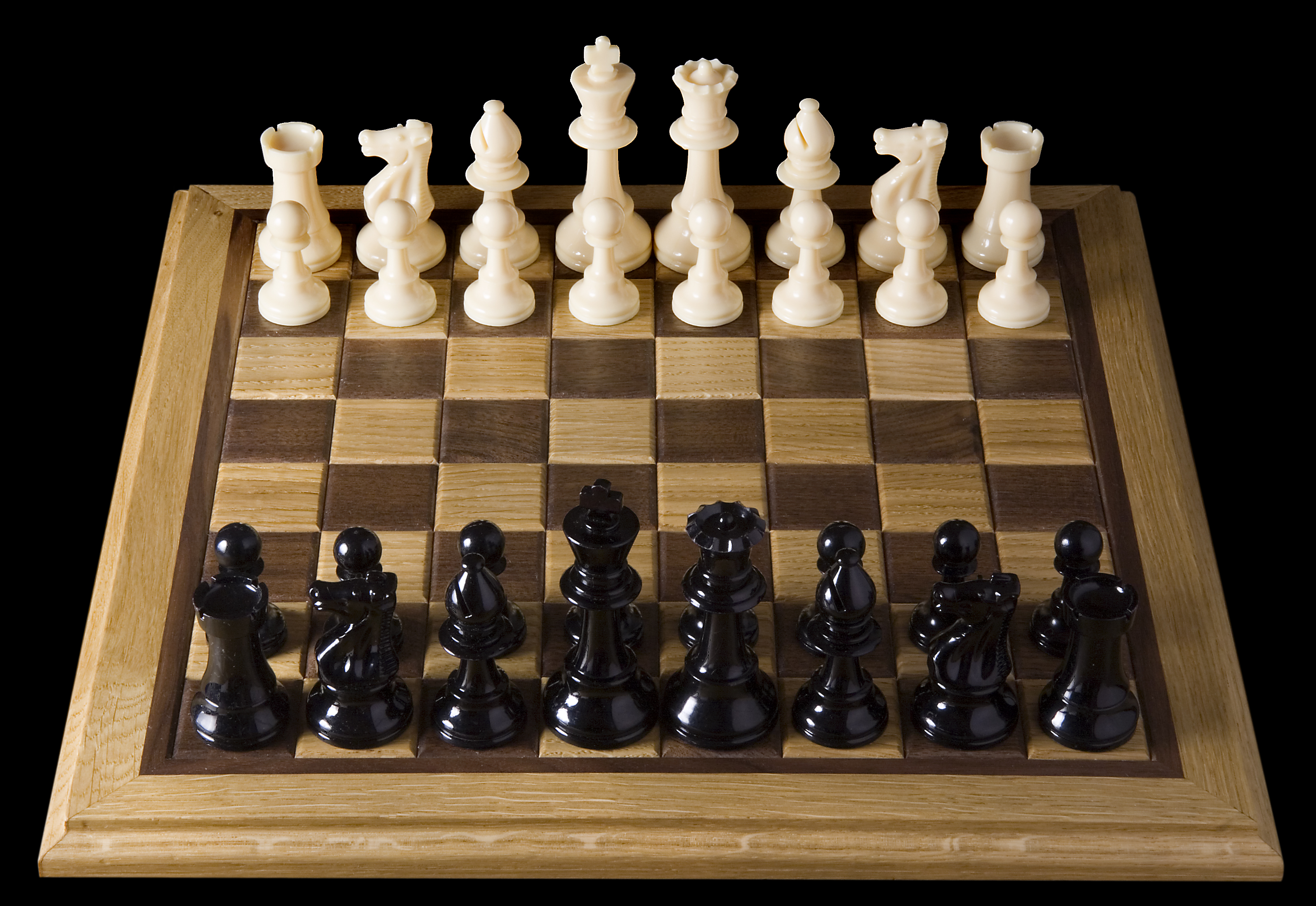
The figure was inferred, not measured. Robert Sapolsky’s claim that tournament players can burn up to six thousand calories a day, three times the daily average, came from breathing rates, blood pressure and muscle contractions. Neuroscientist Petra Ritter points out that those can run as high in a chess player as in an exercising athlete without the same energy being used.
Measured directly, the number is far smaller. , the standard method in exercise physiology, found chess players burning an average of 1.67 calories per minute while playing, against 1.53 at rest. That is an increase of about ten percent. Ritter adds that additional tasks such as reading require no more than five percent extra.
The claim is attractive and widely repeated: chess players in tournaments can burn up to six thousand calories a day, three times the daily average. Robert Sapolsky of Stanford University is the source usually cited. The CORDIS article puts it to the neuroscientist Petra Ritter, who does not dispute the physiology so much as the inference drawn from it.
The figure was inferred from breathing rates, blood pressure and muscle contractions. Ritter accepts that these can be as high for chess players in tournaments as for athletes during exercise. What she rejects is the step from there to energy use, since looking physiologically stressed and spending energy are not the same measurement.
The direct measurements give a much smaller number. Using indirect calorimetry, the standard method in exercise physiology, chess players were found to burn an average of 1.67 calories per minute while playing, compared with 1.53 at rest. That is a modest ten percent increase, and Ritter notes that additional tasks such as reading require no more than about five percent extra.
The reason sits in what the brain is already doing. It makes up around two percent of bodyweight but accounts for twenty percent of the body’s at rest, using roughly ten times the energy per gram of other organs. About a quarter of that goes on routine housekeeping such as repairing DNA damage, and the rest on whose cost is constant enough to be called the brain’s . One caution: this is a news article relaying one researcher’s assessment, not a study of chess players.
wat. Thinking hard raises your energy use by about a tenth, not by three times.
wat wat
It separates arousal from expenditure. A racing heart and fast breathing are real, and they are not the same as energy being spent, which is the step the headline figure skipped.
How do we know?
A CORDIS article for the European Commission puts the viral claim to Petra Ritter, who contrasts the physiological proxies it rests on with direct measurements made by indirect calorimetry.
What is still unknown
A science news article rather than a study, presenting one researcher’s assessment with links to the underlying work. It reports the calorimetry figures without the sample size or conditions behind them.
Learn something?
Where to next
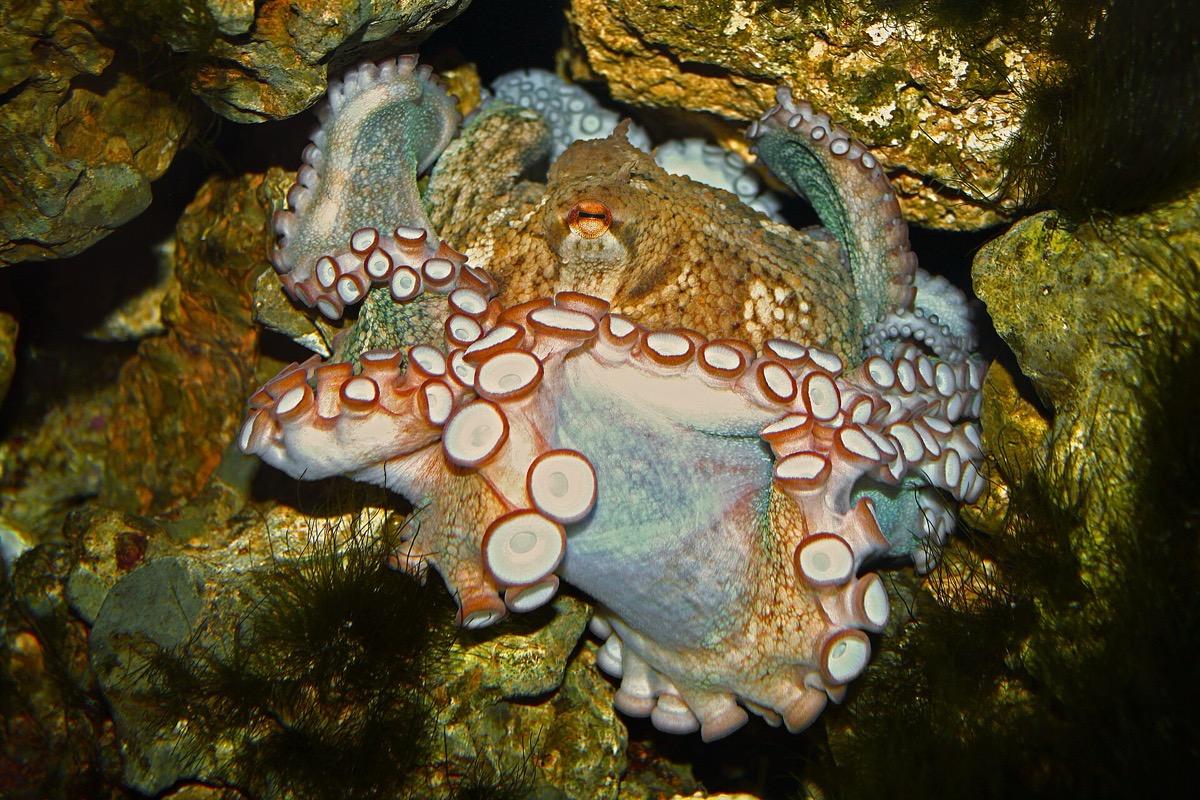 Where is most of an octopus’s brain?brain
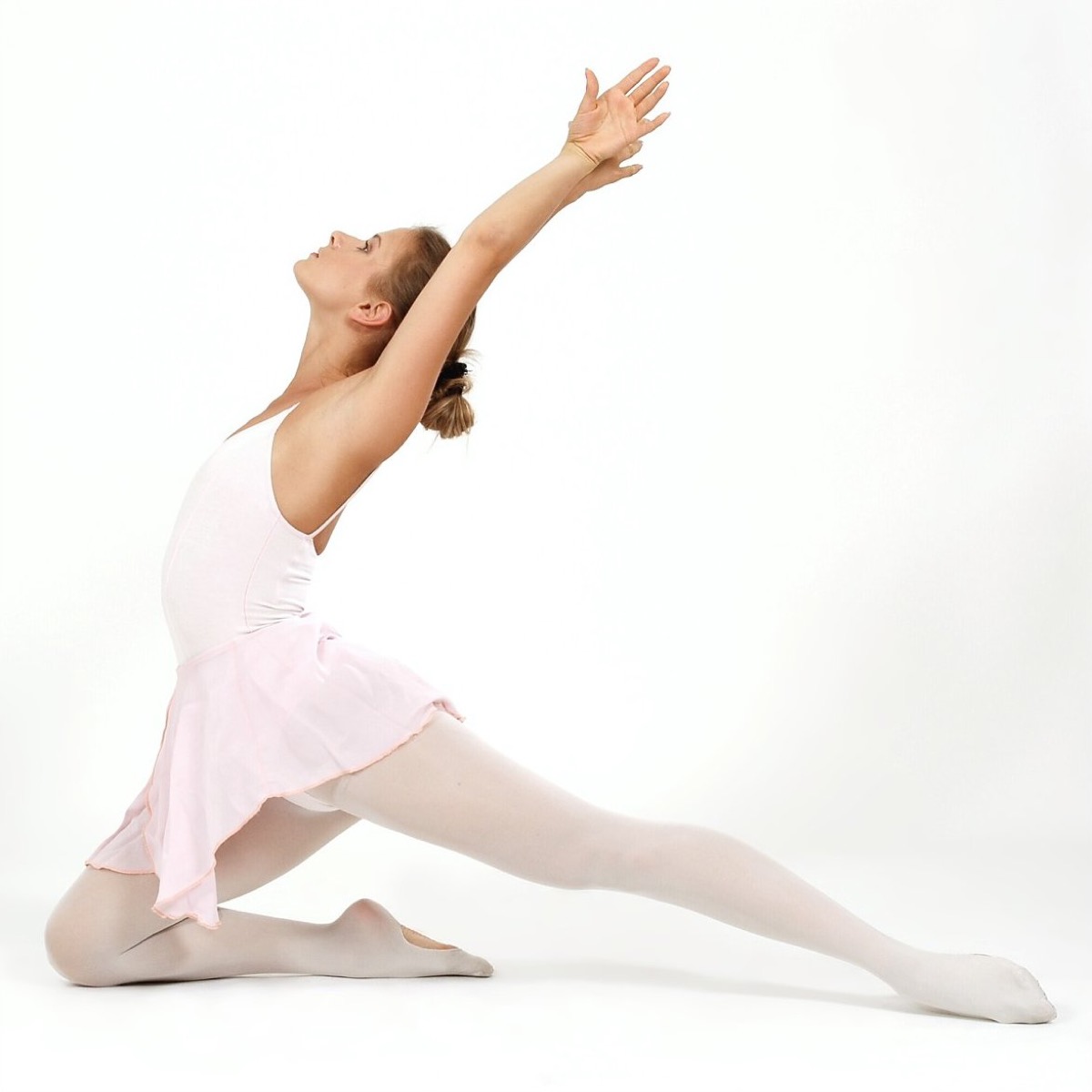 Why is a ballet dancer not dizzy after twenty turns?brain
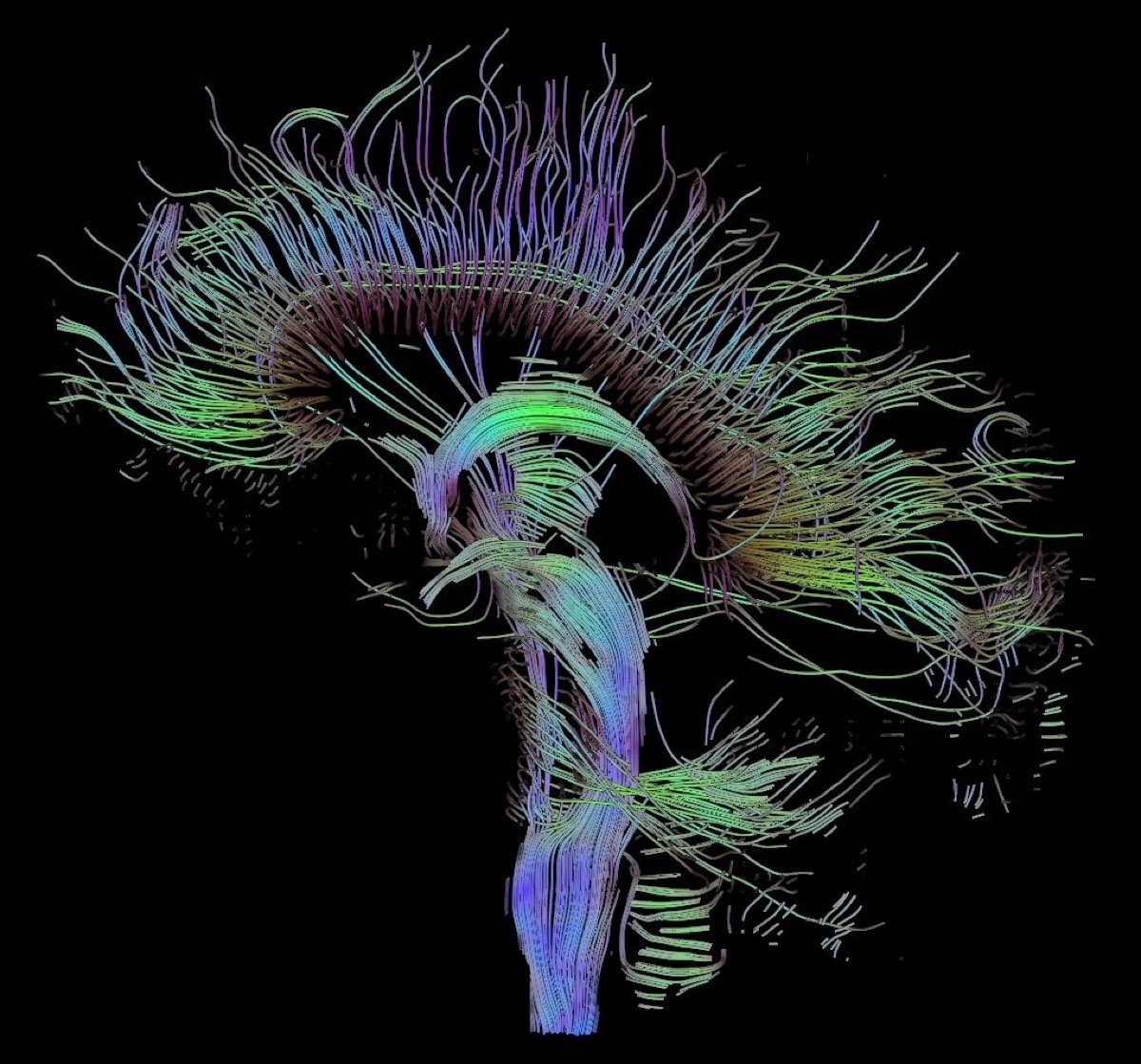 What does the brain do at night that it cannot get done by day?brain