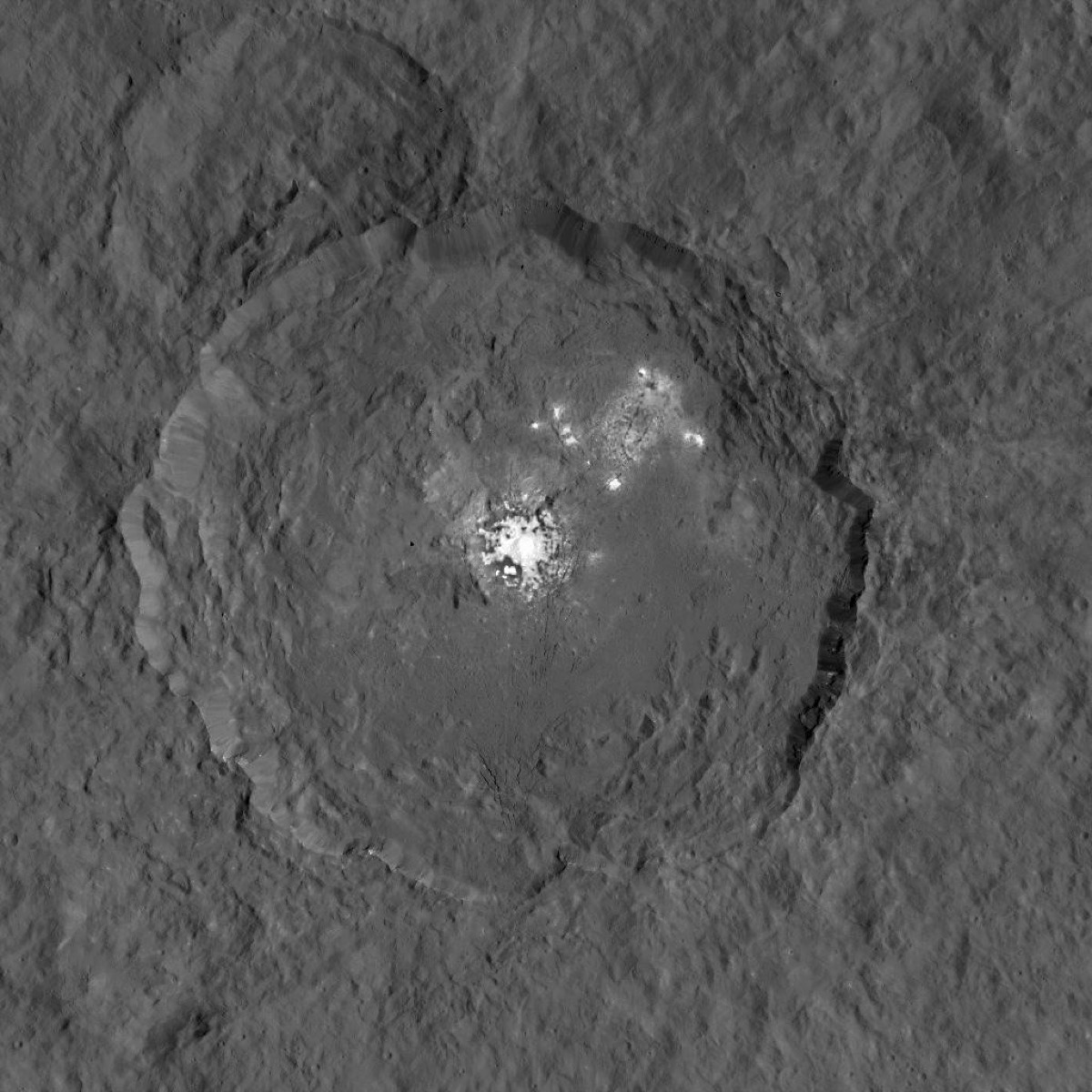
Ceres is the largest asteroid and the first to be discovered, and it is not bright. Its surface reflects about nine percent of the light that hits it, which is darker than asphalt. When Dawn arrived in twenty fifteen it found two patches inside that are dazzling by comparison, bright enough to be visible from tens of thousands of kilometers away.
Salt left behind by evaporating brine. The bright spots, Cerealia Facula and Vinalia Faculae, are highly reflective salts. They were deposited when briny water from an underground reservoir percolated upward through fractures left by the impact that formed the crater, twenty million years ago, and then evaporated. The salts still hold water that has not dehydrated.
Ceres was found by accident, by Giuseppe Piazzi at the Palermo Observatory on the first of January eighteen hundred and one. It is the largest asteroid in the main belt, a flattened sphere with an equatorial radius of four hundred and ninety kilometers, holding more than a third of the belt’s total mass. Since two thousand and six it has been classed as a dwarf planet.
It is also dark. Its is nine percent, against thirty-seven for Vesta, which is smaller and brighter. Its density of two point two grams per cubic centimeter, with its shape, fits a of a rocky core under a thick icy mantle, which matters for what comes next.
Dawn studied Ceres from March twenty fifteen to November twenty eighteen and observed two very bright spots inside Occator crater: Cerealia Facula and Vinalia Faculae. They are highly reflective salts, left behind when briny water from an underground reservoir percolated upward through fractures from the impact and then evaporated. The crater itself formed about twenty million years ago.
Two independent clocks date the deposits. The salty regions have not been darkened by , which indicates they formed within the last two million years. The salt compounds also still contain water that has not dehydrated. So the brine must have percolated upward within the last few hundred years, which suggests the liquid under the crater has not frozen and is perhaps rising even now.
wat. A dark little world with salt flats inside one crater, left by water that came up through the cracks and may be coming up still.
wat wat
That undehydrated water dates the delivery. The brine must have reached the surface within the last few hundred years, which means the liquid underneath has not frozen and may still be rising.
How do we know?
Britannica’s entry on Ceres, drawing on the observations of the Dawn spacecraft, which studied the dwarf planet from March twenty fifteen to November twenty eighteen.
What is still unknown
An encyclopedia account of mission results. It states the composition and the inferred timing without the spectroscopy and modeling that produced either.
Learn something?
Where to next
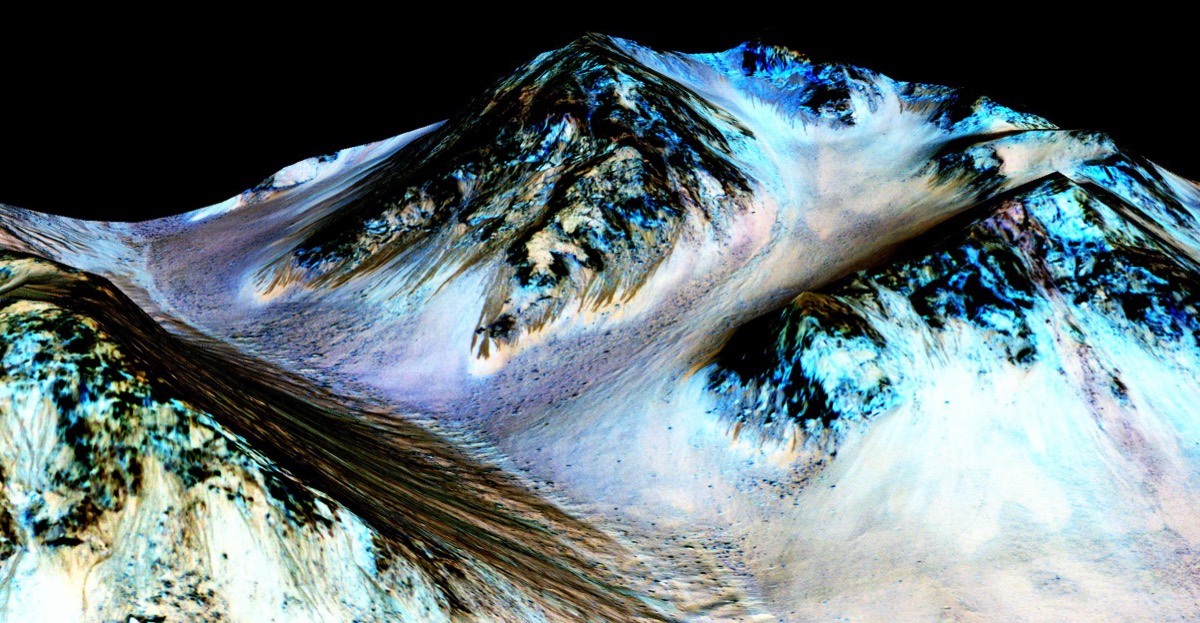 Are the dark streaks on Mars flowing water?salts
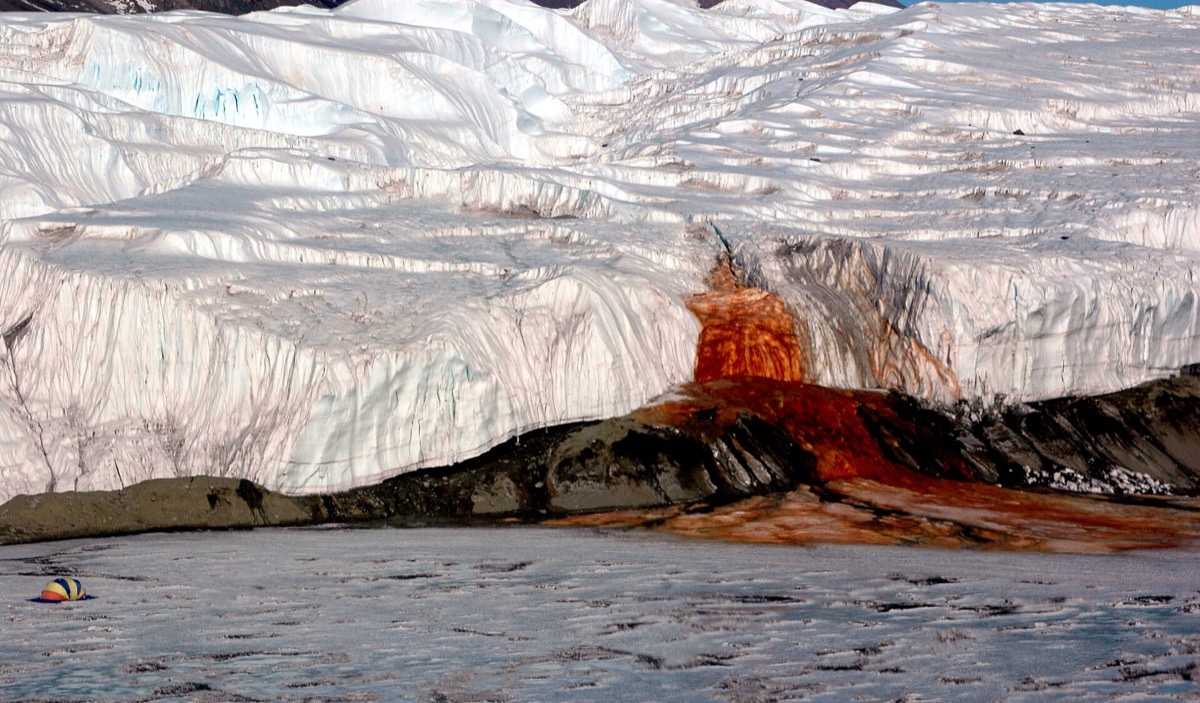 Why does a glacier in Antarctica run red?brine
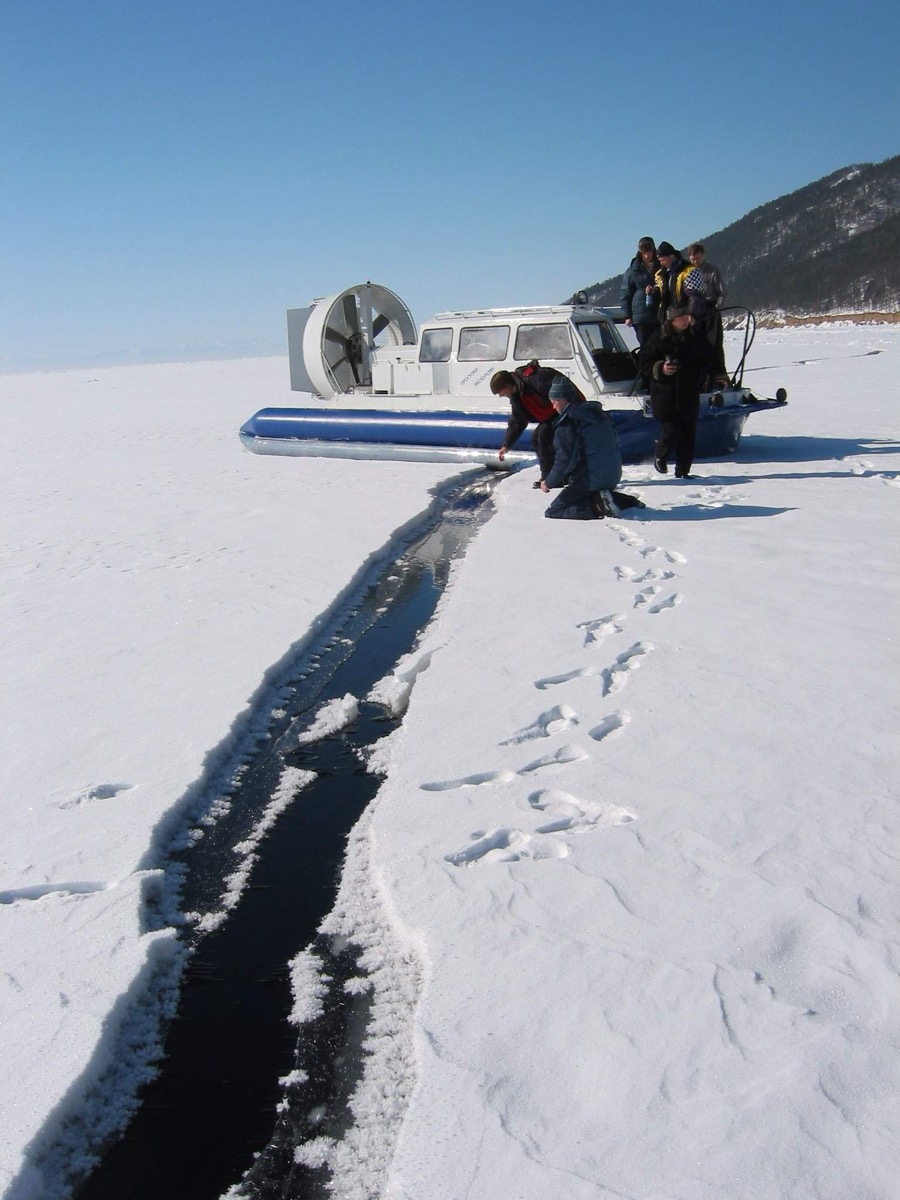 Does a crack race through sea ice as fast as through lake ice?brine