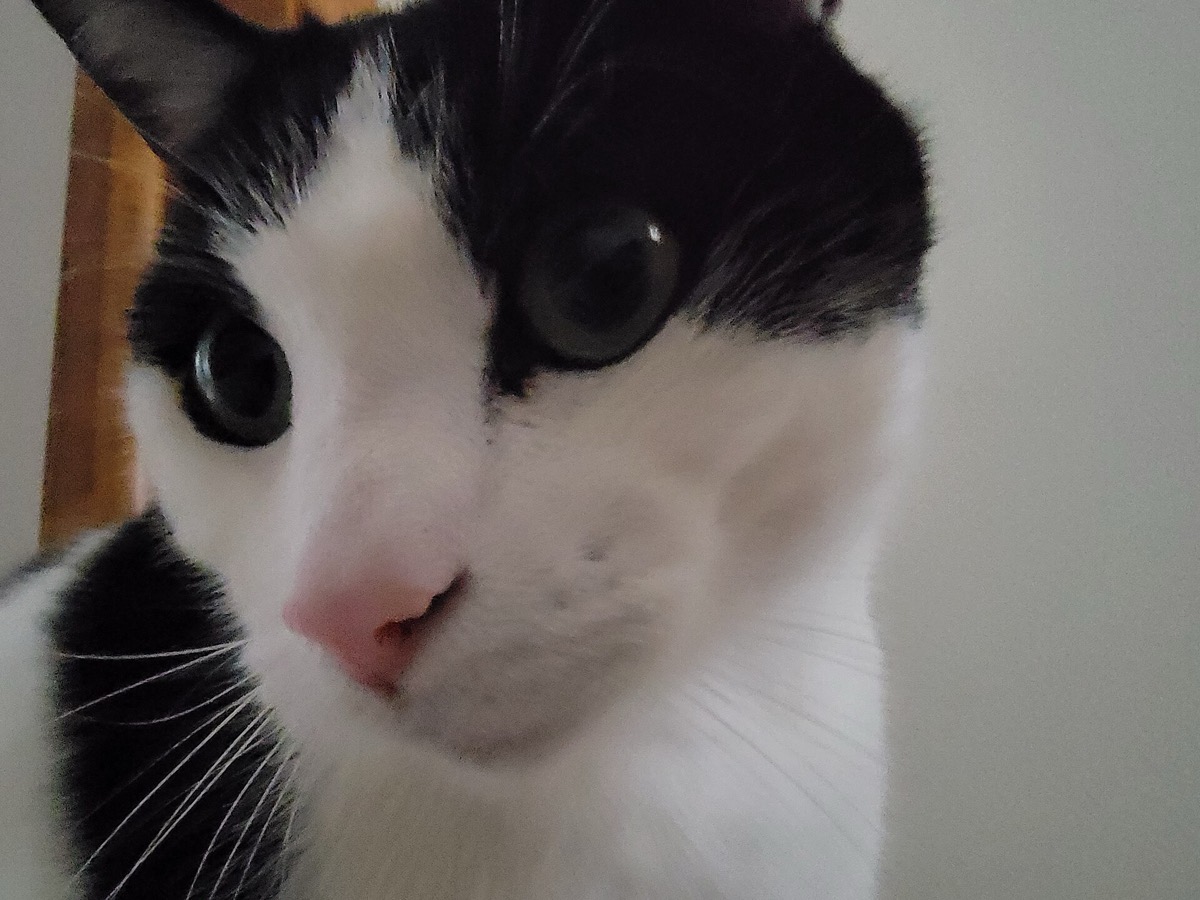
Most mammals will take sweetness when it is offered and cats will not, which could be a preference, a habit, or an instrument that is simply missing. The mammalian sweet receptor is a pair of proteins that only works assembled, so one broken half would be enough to explain it. Li and colleagues sequenced both genes in domestic cats, tigers and cheetahs. Is anything actually missing?
A gene in ruins. Tas1r3, one half of the pair, looks normal, gets transcribed, and shows up in taste buds exactly where it should. , the other half, carries a deletion of two hundred and forty-seven base pairs in exon three and stop codons in two further exons. No message or protein from it turns up by any method. Without both halves the receptor cannot assemble.
Cats have a working sense of taste and no interest in sugar. The explanation is either behavioral or mechanical: they can taste sweetness and do not care for it, or the equipment for detecting it is not there.
The mammalian sweet receptor is a heteromer, formed when two proteins pair up, T1R2 and T1R3, from the genes Tas1r2 and Tas1r3. The pairing is the vulnerability. Break either gene and no working receptor forms, however healthy the other one is.
Li and colleagues sequenced both genes in domestic cats and in two other , tiger and cheetah, then checked whether each gene is actually used. Tas1r3 came out highly similar to the working version in other species, with message detectable in taste tissue and protein visible in taste buds by and antibody staining.
Tas1r2 is a . It carries a deletion of two hundred and forty-seven base pairs in exon three and stop codons in exons four and six, and no message or protein from it turned up by any method tried. The same damage appears in tiger, in cheetah and in six healthy domestic cats, which puts the loss deep in the cat lineage.
wat. Not fussiness but a missing instrument. Half the sweet receptor broke in an ancestor of all cats, and nothing ever rebuilt it.
wat wat
A behavior that looks like a preference turns out to be a missing sense, and the gene that broke is a plausible step in the move to living entirely on meat.
How do we know?
Li and colleagues sequenced Tas1r2 and Tas1r3 in domestic cats, tiger and cheetah, and tested whether each gene produces message and protein in taste tissue.
What is still unknown
It shows the receptor cannot form, not that nothing else in the mouth responds to sugar, and the direction of cause between losing the gene and eating only meat is unsettled.
Learn something?
Where to next
 How does an octopus taste something it has only touched?taste
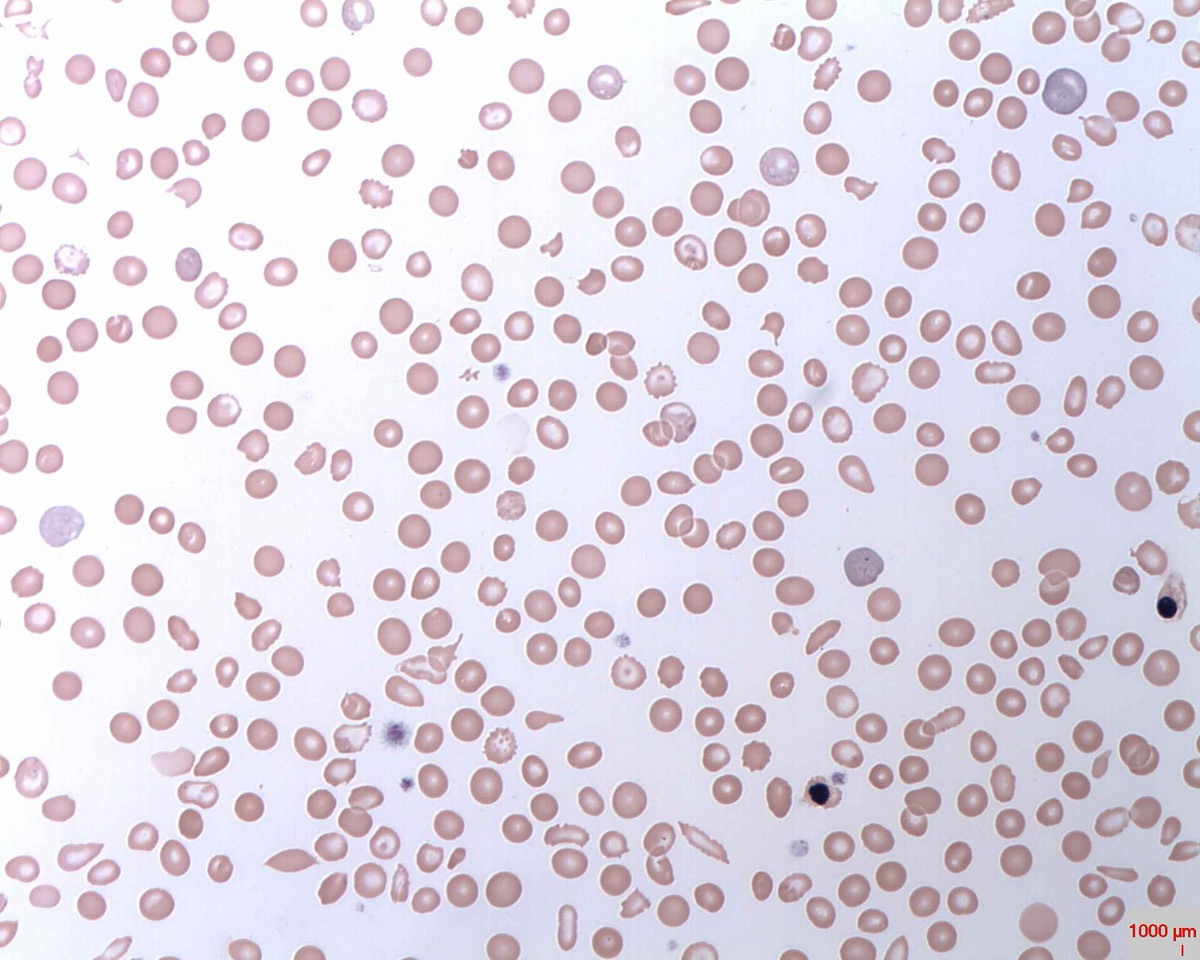 Why is a harmful blood mutation common exactly where malaria is worst?evolution
 Why do some people insist asparagus does nothing to their urine?genetics