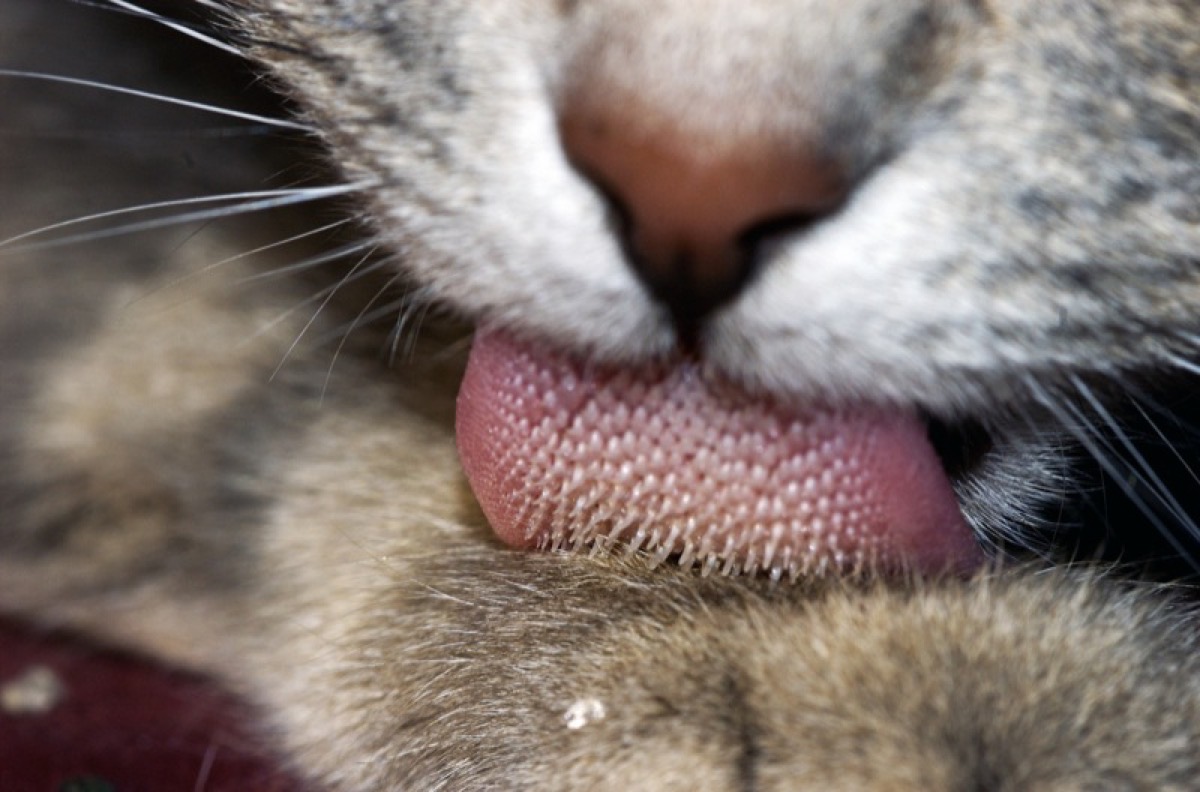
A cat's tongue feels like sandpaper, and the backward-facing spines on it are usually described as a rasp for stripping meat off bone. That leaves grooming unexplained, because a rasp does nothing useful down at the skin. Two engineers scanned tongues from six cat species and filmed grooming frame by frame. What are the spines for?
The spines are hollow. Each carries a small cavity at its tip, and that cavity saliva off the tongue and deep into the recesses of the fur. A cat therefore gets liquid down to the skin rather than onto the surface of its coat. The same appear across six cat species, and their lets a trapped hair slide back off.
Run a finger the wrong way along a cat's tongue and it catches. The spines point backward, and the textbook reading is a rasp: a tool for stripping meat from bone. Cats spend a large part of the day grooming, though, and a rasp accomplishes nothing at the base of the fur.
Noel and Hu took tongues from six cat species, from the house cat up to the lion, scanned the spines and filmed grooming. Under the scan the spines turned out to be hollow. The authors named them cavo papillae, and found the same shape in every species they looked at.
A hollow tip can hold liquid, and these ones wick saliva off the tongue and release it deep into the recesses of the fur. That matters because the hard part of cleaning a coat is not the surface but the layer against the skin, where the bristles of a brush never arrive.
The flexible base of each papilla handles the other half of the job. A spine that bends lets a snagged hair pull free instead of jamming the tongue. The authors offer both features to , where depositing fluid into a dense array of flexible filaments remains an unsolved problem.
wat. Not a rasp for meat but a hollow comb, carrying saliva past the coat and down onto the skin where a brush never reaches.
wat wat
Grooming is how a cat manages heat, parasites and loose hair, and the tongue turns out to be a fluid-handling device rather than a scraper.
How do we know?
Noel and Hu scanned tongues from six cat species, imaged the papillae in cross section, and filmed cats grooming to follow where the saliva went.
What is still unknown
The work describes the structure and the wicking it permits. How much of a cat's daily cleaning actually depends on this one mechanism is not quantified.
Learn something?
Where to next
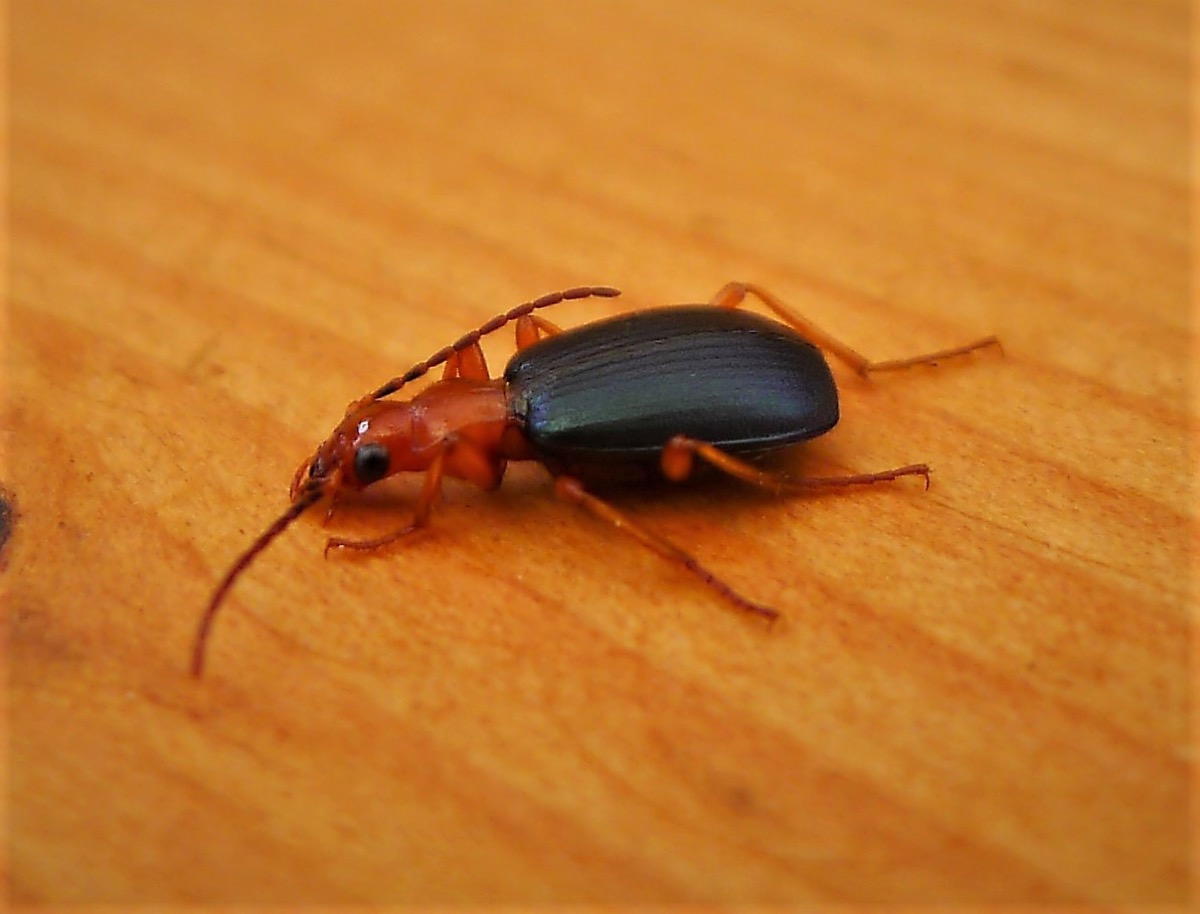 How does a small beetle fire liquid at boiling point?biomechanics
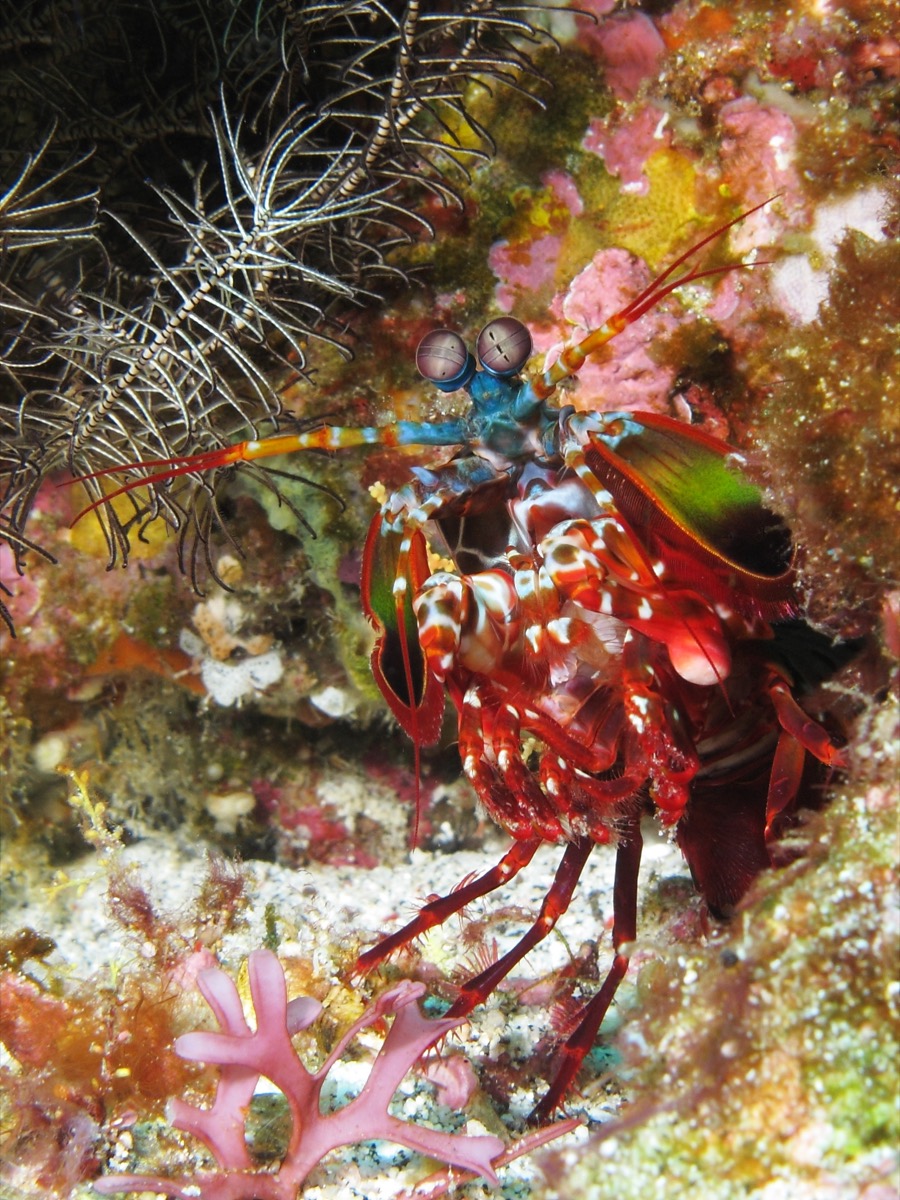 How does a shrimp break a shell underwater?biomechanics
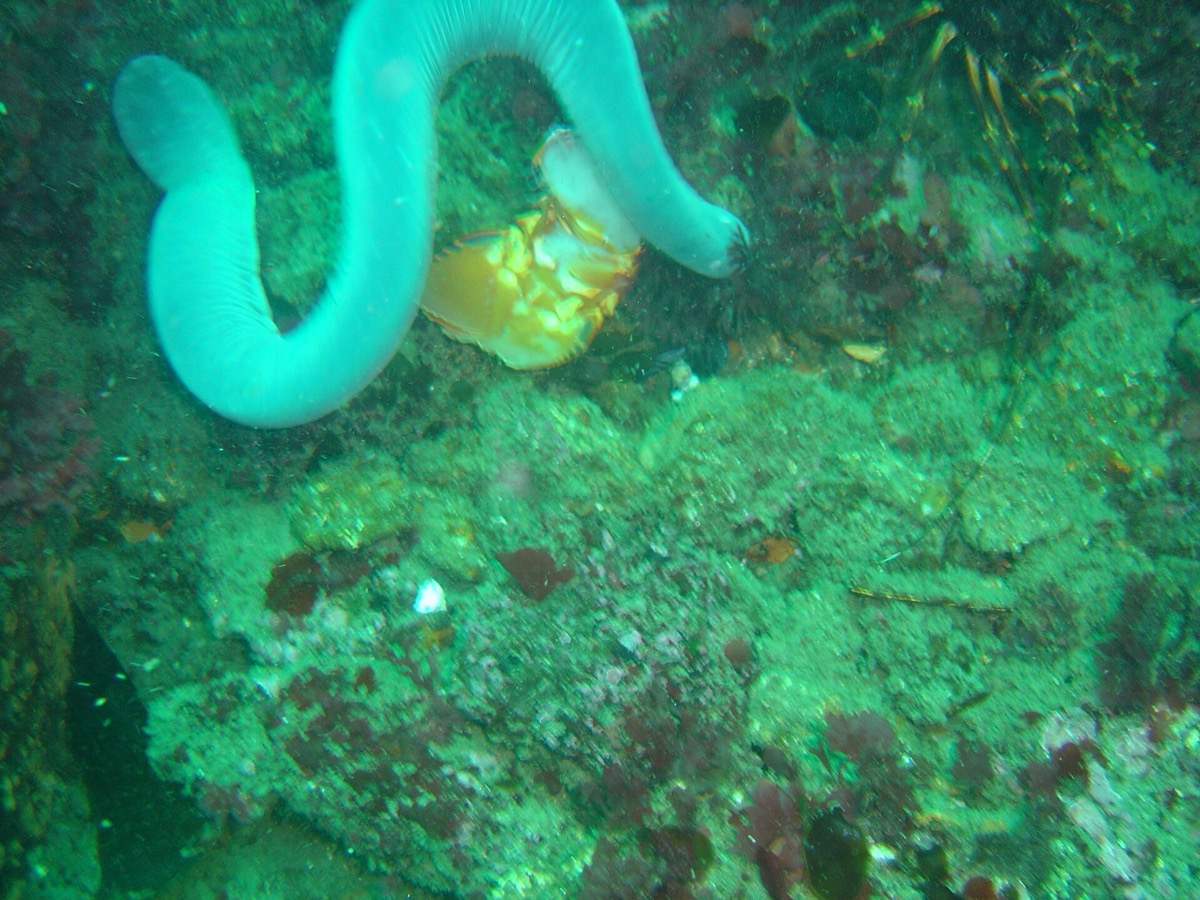 What is hagfish slime actually for?biomechanics