On the first of September eighteen fifty-nine a British amateur astronomer watched something anomalous happen on the Sun. Roughly seventeen hours later the Earth answered, with magnetic effects on a global scale. The only extensive electrical system anyone had built at the time was the telegraph, and the telegraph is where the effects landed. What happened to it?
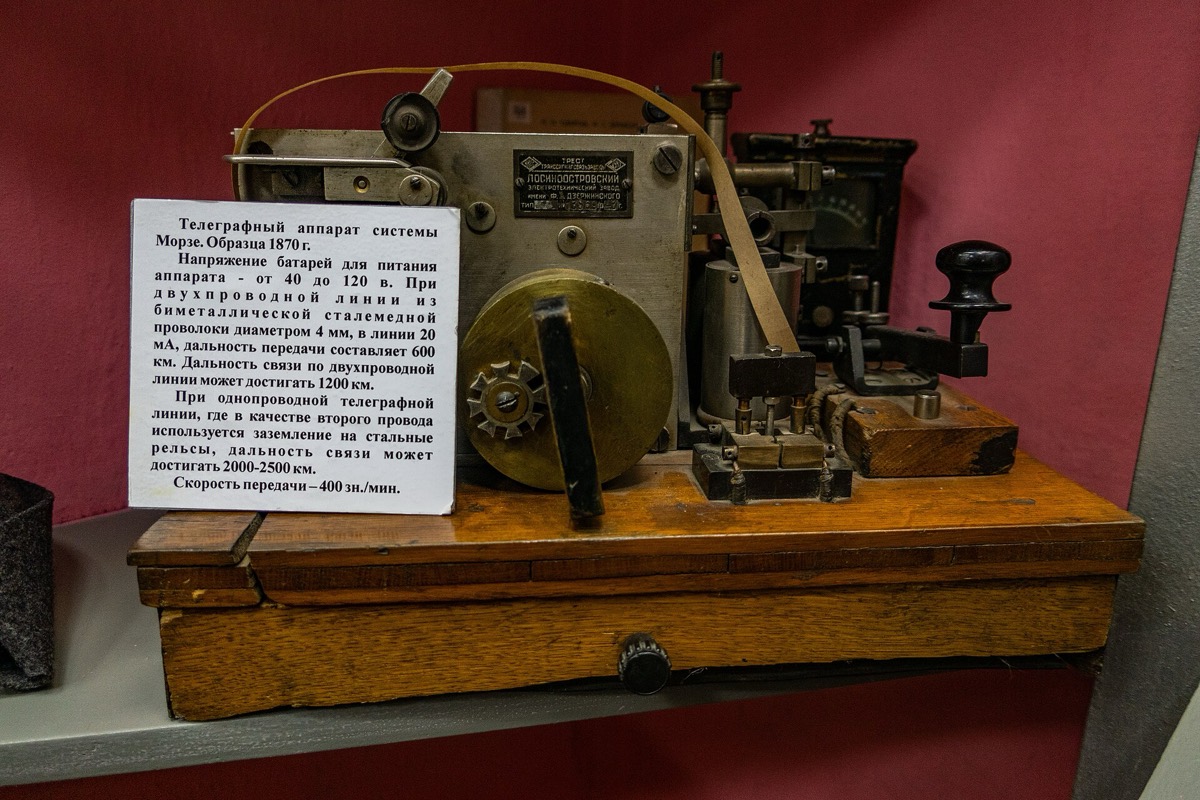
It turned dangerous. Witnesses reported telegraph wires and equipment in flames in the United States, Canada and Europe, and appeared at latitudes that never see them. In Washington an operator died of an electric shock from the keys of his own instrument, and a similar death occurred in Philadelphia. In the same city people called out the fire brigade, mistaking a brilliant red aurora for a huge fire.
Richard Christopher Carrington was a British amateur with a serious habit. He observed the solar surface daily, taking notes and recording detail. From his sunspot analysis he found that spots move in latitude, and that their counts peak about every eleven years, which is the solar activity cycle. Personal and family trouble kept him from publishing, and credit for the cycle went to Gustav Sporer, who observed independently.
What he saw on the first of September eighteen fifty-nine was an anomalous brightening on the Sun. About seventeen hours later, magnetic effects of global scale arrived at Earth: aurora borealis and australis far from the poles, and failures of across Europe and North America.
The reports from the ground are the part that stays with you. Witnesses described telegraph wires and equipment in flames in the United States, Canada and Europe. In Washington, people asked the fire brigade for help, having read an intensely bright red aurora as a large fire on the city’s outskirts. In that same city a telegraph operator died of an electric shock from the keys of his instrument. Another such death happened in Philadelphia. A diagram survives of a red aurora seen over Melbourne on the second of September.
Carrington would not join the two halves. Despite the evidence, he was careful to avoid asserting a connection between solar eruptions and terrestrial magnetic effects, and wrote that does not make a summer. Understanding came slowly over the late nineteenth and early twentieth centuries. The event now anchors research, where the concern is damage to communication satellites and astronauts, to transmission networks through induced currents, and to pipelines through corrosion.
wat. The Sun set the telegraph on fire and killed two operators, and the man who saw it start declined to say the two were related.
wat wat
The storm is the benchmark for space weather. It is the event modern work on protecting satellites, power grids and pipelines calibrates against, with the difference that we now have far more to lose.
How do we know?
A review by Denny Oliveira in the Revista Brasileira de Ensino de Fisica, marking a hundred and sixty years of Carrington’s observation. It gathers the contemporary reports of the storm and the later work that connected solar flares to terrestrial magnetism.
What is still unknown
The telegraph accounts come from nineteenth-century reports collected in a review, not from instruments. Carrington himself refused to claim the connection, writing that one swallow does not make a summer.
Learn something?
Where to next
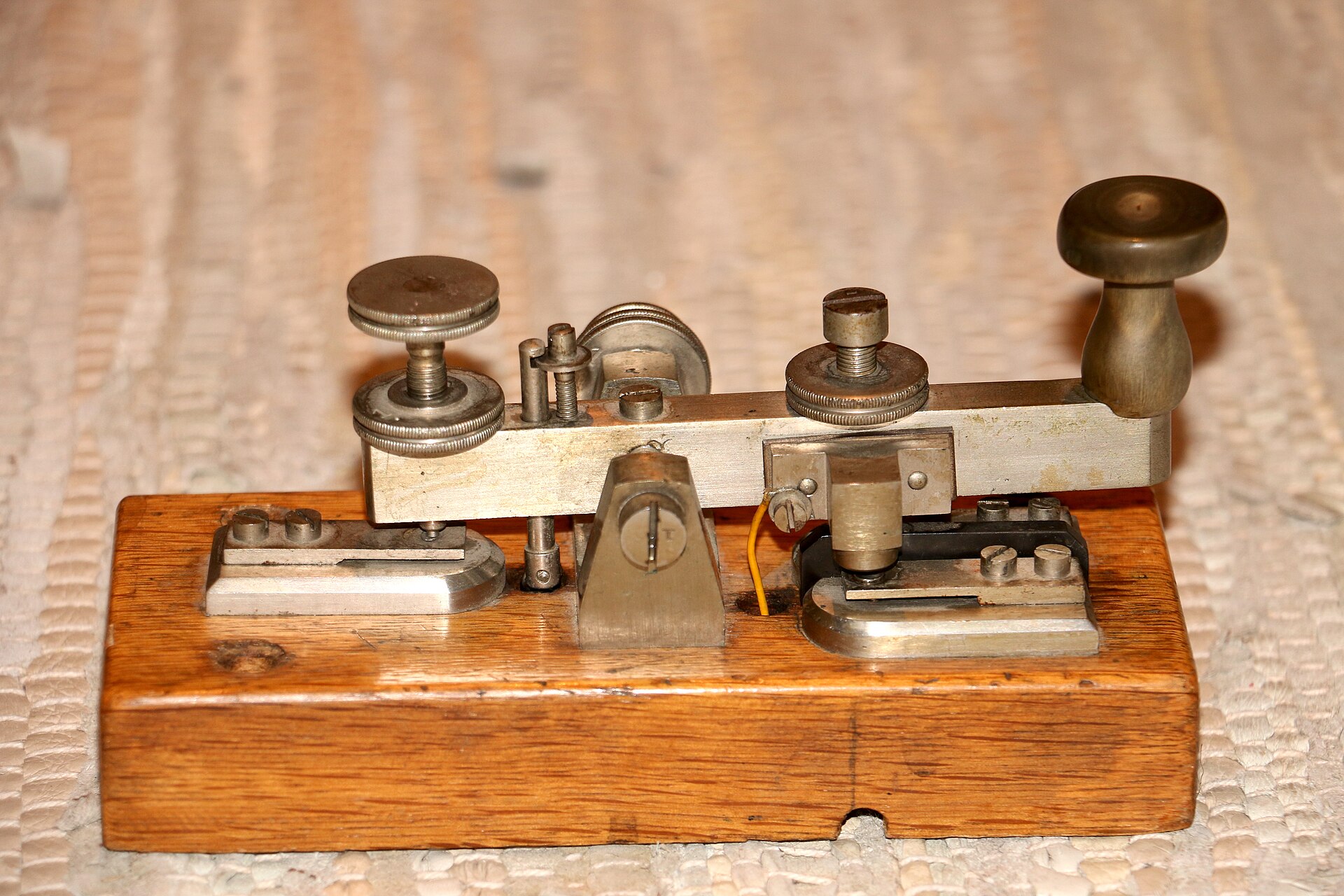 What killed the Pony Express after eighteen months?telegraph
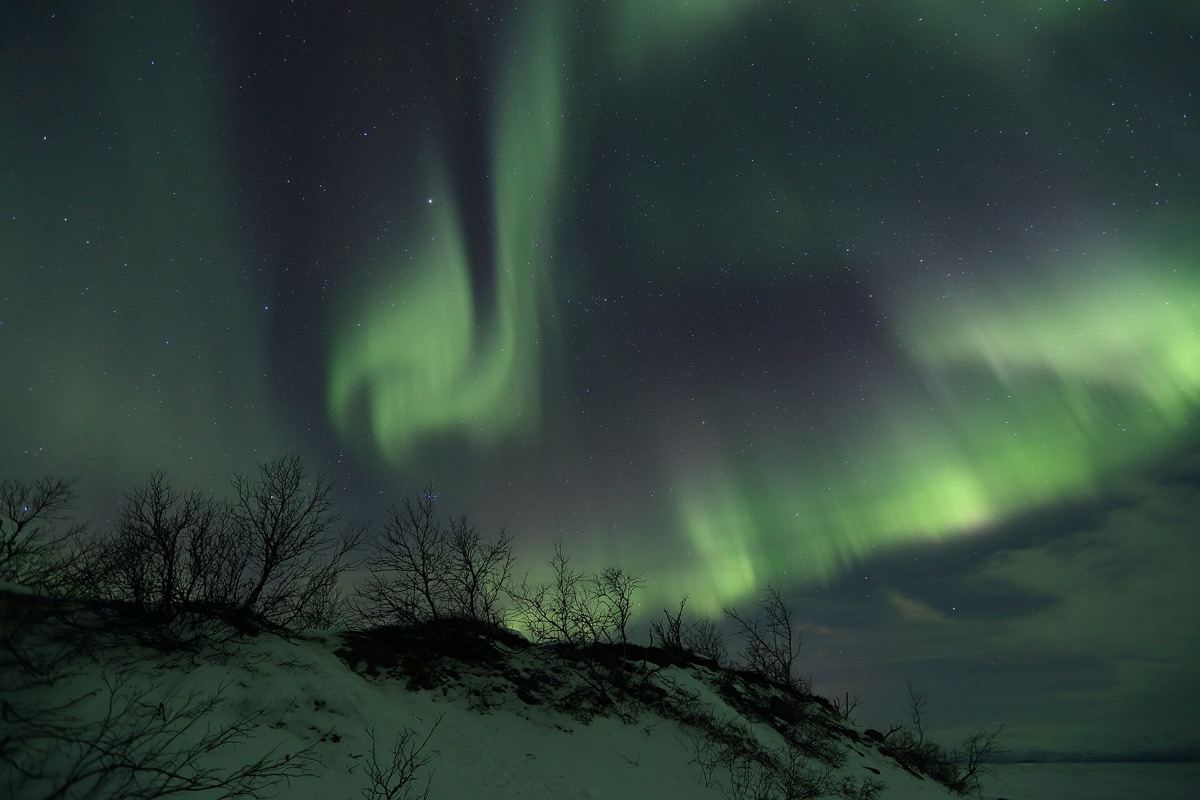 What is actually glowing when you see the northern lights?aurora
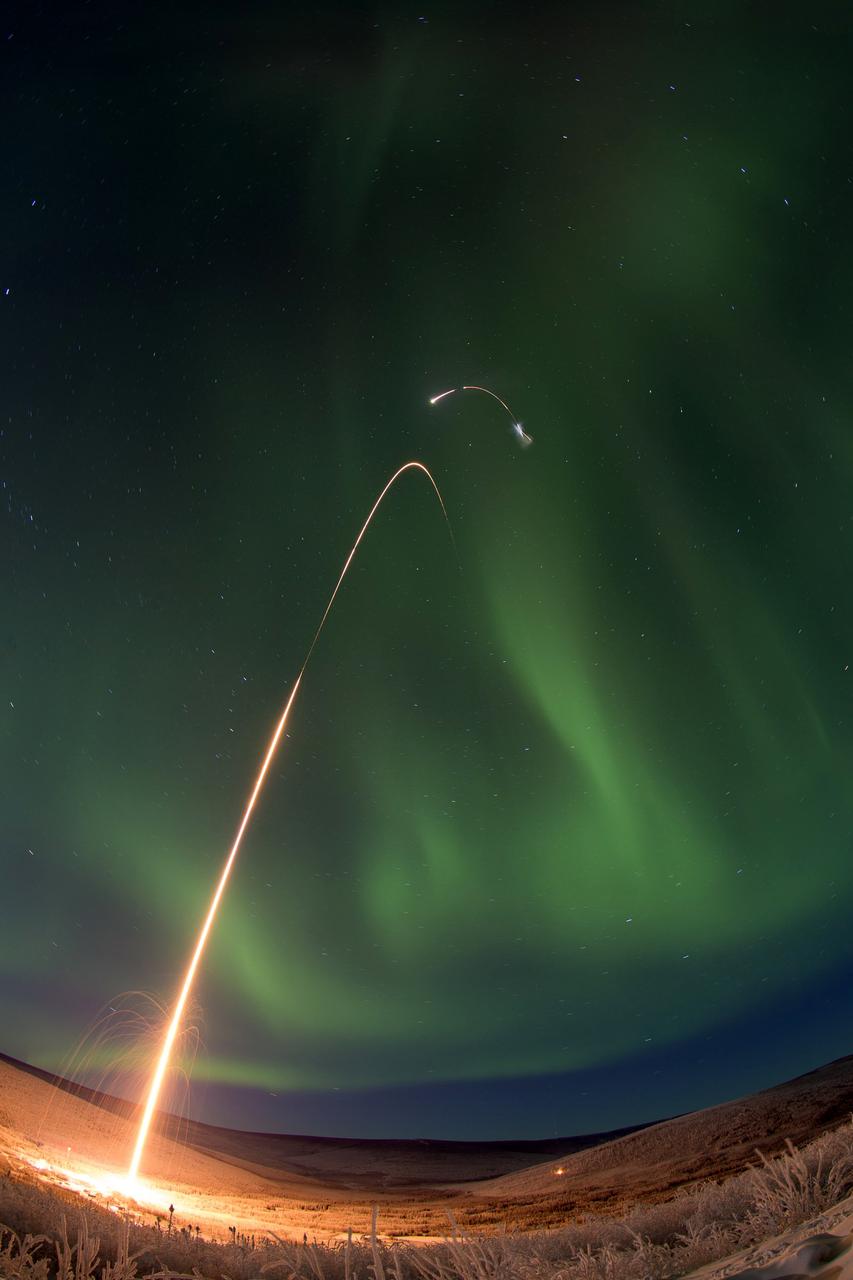 How do you measure an aurora from inside it?aurora