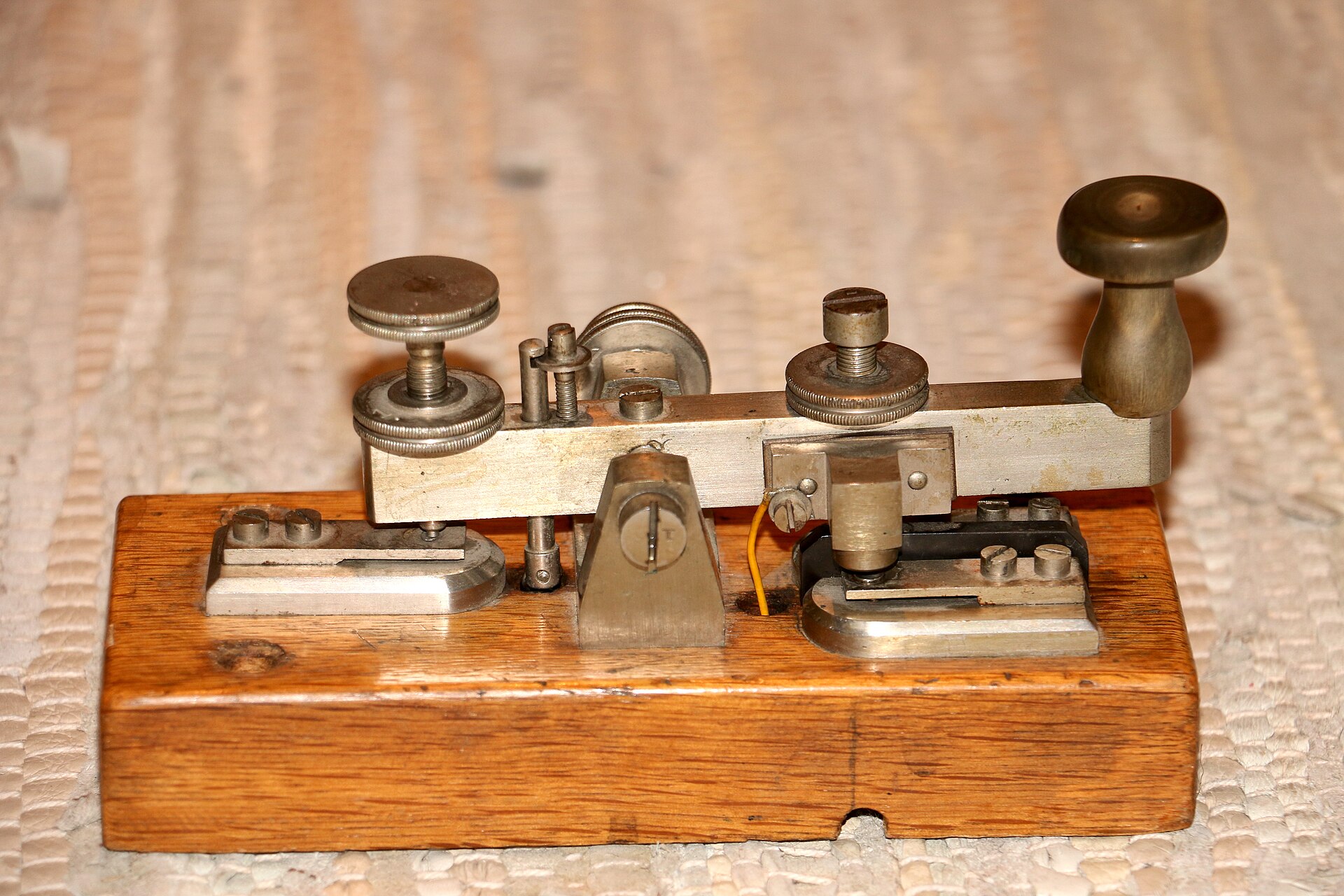
In eighteen sixty, news took twenty-four days to cross the United States overland, and with the Civil War approaching that was no longer tolerable. The answer was the , a relay of horses and riders covering nearly two thousand miles in about ten days. It ran from April eighteen sixty to October eighteen sixty-one and then stopped. Something had made it pointless.
A wire. The completion of the line in October eighteen sixty-one was the immediate cause of the demise of the Pony Express. A message that had taken ten days by horse now crossed the continent as fast as a key could be tapped. Other factors contributed, above all the parent company’s collapsing finances.
The need was created by distance and then sharpened by politics. Expanding western settlement had been served by overland stagecoach routes, and by steamships going around South America or transferring across the Isthmus of Panama. The standard overland schedule from Missouri to the West Coast was twenty-four days. As tensions rose before the Civil War, rapid transmission of news became imperative.
The Pony Express was the answer, usually credited to California Senator William Gwin, who suggested it to the freighting firm Russell, Majors and Waddell. The route ran nearly two thousand miles overland with about a hundred and ninety , mostly across Nebraska, Wyoming, Utah and Nevada, and took about ten days. Each rider covered seventy-five to a hundred miles, changing horses every ten to fifteen.
It was efficient and ruinous. At five dollars , later a dollar, it stayed out of reach for ordinary correspondence and was used mainly by newspapers and businesses. The company had already lost heavily when a herd of oxen froze to death in a Nevada blizzard, and the Pyramid Lake War of eighteen sixty cost it stations burned, keepers killed and horses stolen. Income never met expenses of about a thousand dollars a day: total costs came to seven hundred thousand dollars against receipts of about five hundred thousand.
The ending was technological all the same. Britannica names the completion of the transcontinental telegraph line in October eighteen sixty-one as the immediate cause of the demise, with the finances and the internal dissension as contributing factors. The riders had been passing the construction crews for months, and a painting of eighteen sixty-seven shows exactly that, a rider galloping by the workers stringing the cable that would replace him.
wat. The fastest mail in America lasted a year and a half, and was finished by a line of poles that the riders had watched going up.
wat wat
The horses were not slow. They were the fastest thing available, right up to the week they were obsolete.
How do we know?
Britannica’s article on the Pony Express, which gives the route, the schedule it beat, the costs that sank the company, and the telegraph line that ended the service.
What is still unknown
An encyclopedia account of the service rather than of the telegraph. It names the completion of the line as the immediate cause without describing how the line was built or how fast messages actually moved on it.
Learn something?
Where to next
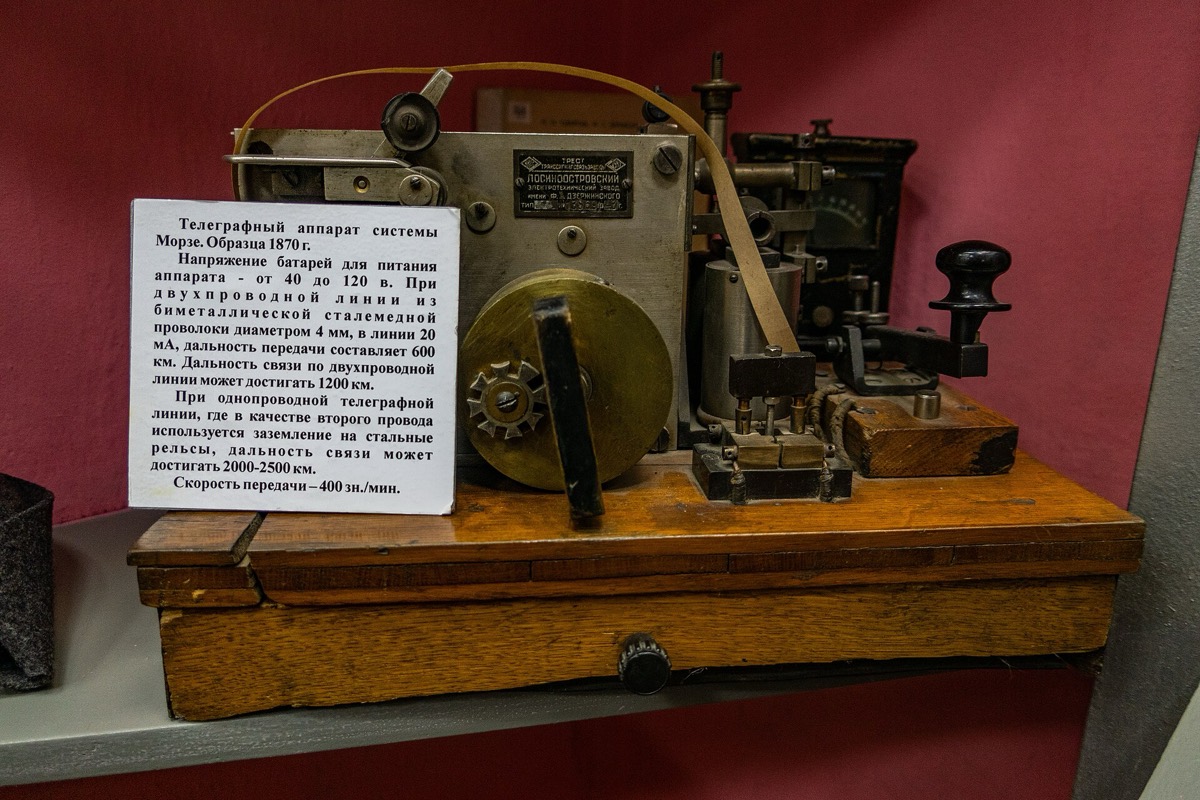 What did the Sun do to the only electrical network of eighteen fifty-nine?telegraph
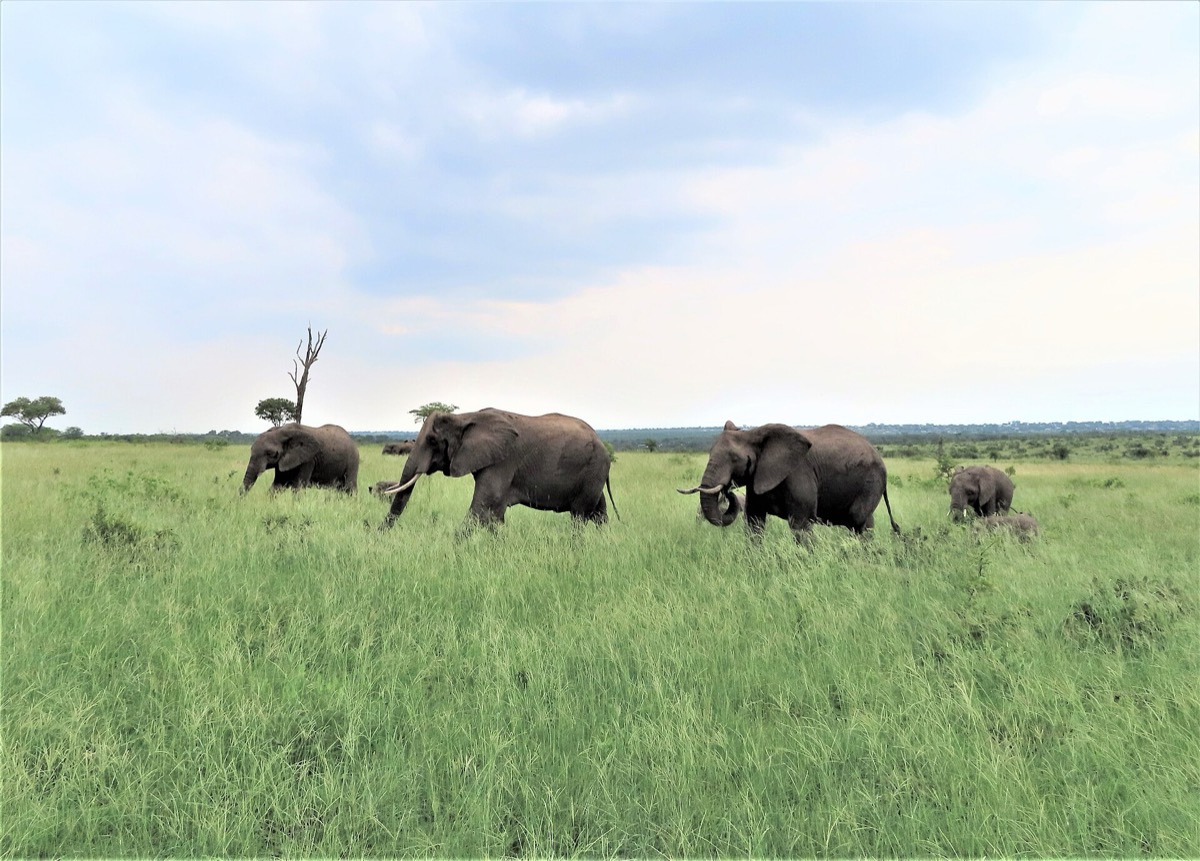 What do elephants hear through the soles of their feet?communication
 How does a story change a mind without presenting a single argument?communication