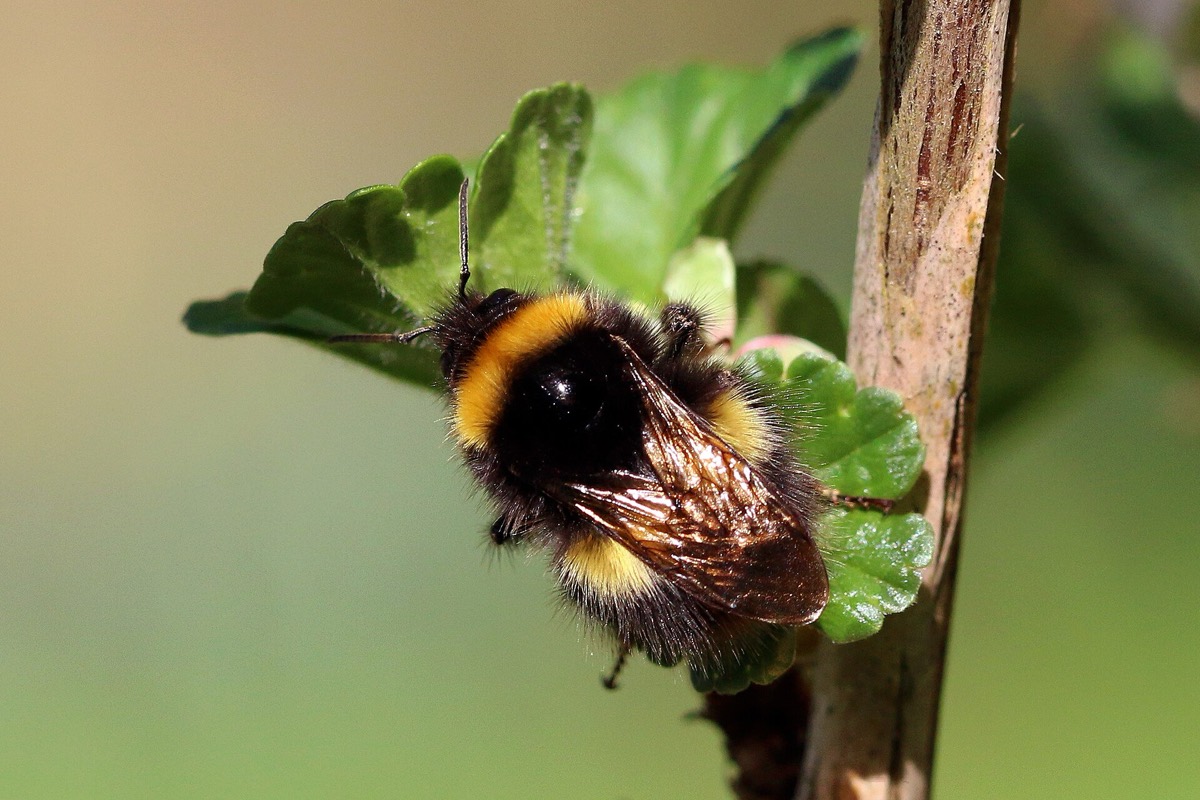
Young mammals and birds play, and the usual account is that it develops the brain: fox cubs pretend-fight, dolphins spin with no predator in sight. Insects were not thought to do anything of the kind. Then bumblebees in a London laboratory kept pushing wooden balls around after the sugar reward for doing so had been withdrawn.
Because they appear to like it. Given a corridor to food with ball areas off to the sides, bees detoured into the side with balls that rolled about fifty percent more often than the side with fixed balls. Individual bees rolled balls anywhere from once or twice up to in a day, and did it more than old ones.
The discovery was a by-product. The team was studying how bumblebees learn complex behaviors from each other, by training them to move wooden balls to specific locations for a sugary treat. They noticed that some bees moved the balls when no reward was offered. They seemed, as Chittka puts it, to like going back to them and fiddling with them.
The first experiment tested whether the rolling itself was the attraction. Bees walked from the nest through a to reach an unlimited supply of pollen and sugar water. Play areas on either side held wooden balls slightly bigger than a bee, positioned so the balls could not roll onto the path. With the balls on one side immobilized, the bees entered the side with rolling balls about fifty percent more often, which points at the movement rather than at round objects.
The second experiment asked whether the activity was rewarding. For twenty minutes the passage to the food was and contained balls, then blue and empty, alternating six times. Offered a final choice between an empty yellow and an empty blue passage, about a third more bees picked yellow, and the result held when the colors were swapped. Counts of ball rolling ranged from once or twice to forty-four times in a day, and young bees rolled more than older ones, as young birds and mammals play more than old ones.
Not everyone is convinced, which the report says plainly. One behavioral scientist suggests the balls may be triggering the housekeeping behavior bees use to clear dead bees and debris from the nest. He wants more examples of insect play before accepting that bees feel pleasure. Another, who studies animal behavior, says the careful design convinced him. The authors themselves note that lab bees are protected from predators and do not have to find food, so wild bees may simply not have the luxury.
wat. They had to go out of their way to reach the balls. They went out of their way, and then came back for more.
wat wat
Play implies some capacity for pleasure, and the authors draw the consequence: insects are increasingly reared for animal feed with no regulations governing their welfare.
How do we know?
Science’s news report on the study, describing the apparatus, the two experiments and the responses of outside researchers, including the ones who are not convinced.
What is still unknown
One researcher quoted argues the balls might instead trigger the housekeeping behavior bees use to clear debris from a nest. And the authors themselves doubt wild bees would have the spare time, since competition outside the lab is tough.
Learn something?
Where to next
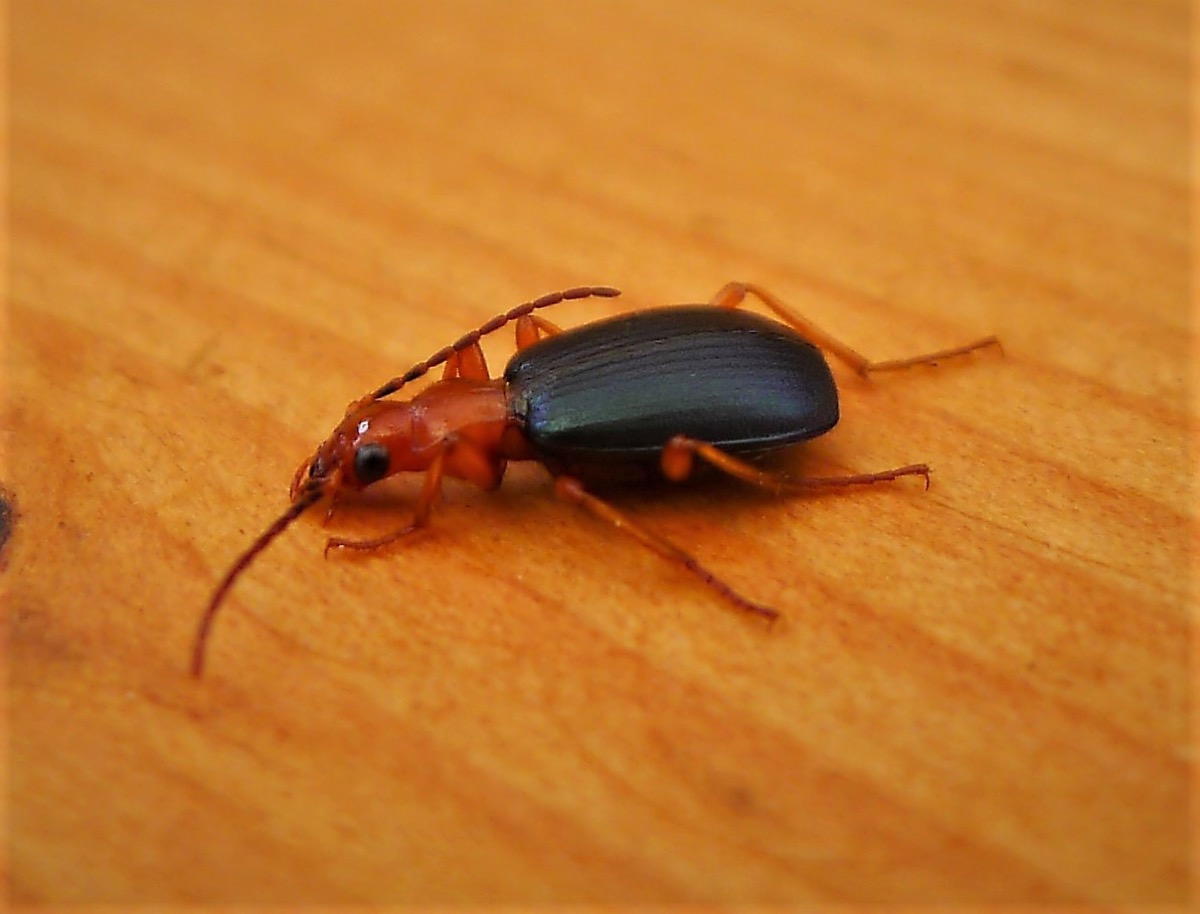 How does a small beetle fire liquid at boiling point?insects
 Do zebra stripes put a fly off from far away, or only up close?insects
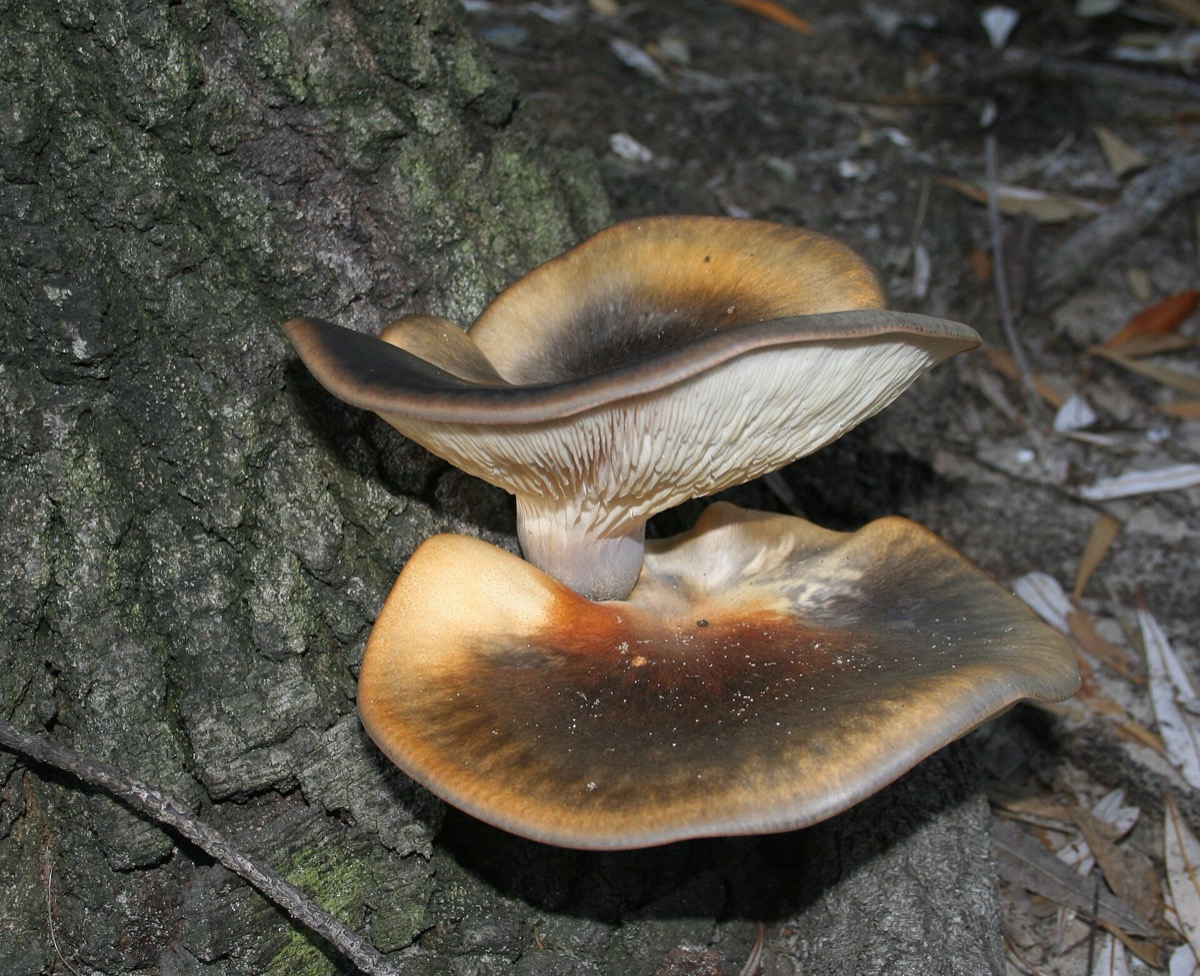 What is a glowing mushroom glowing for?insects