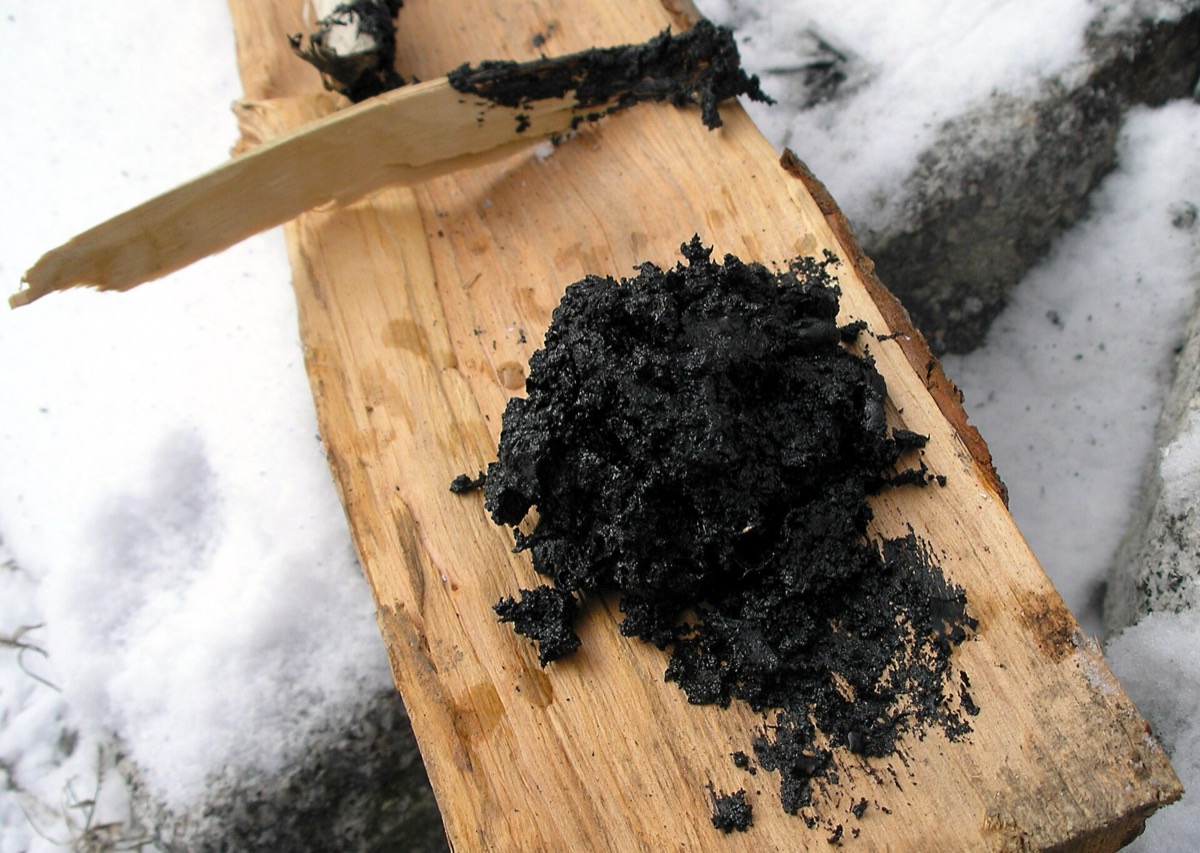
Ancient genomics depends on having a suitable sample, which usually means a bone. A lump of from Denmark, chewed and spat out about 5,700 years ago, came with no human remains anywhere near it. Normally that is where the story ends. What was in the pitch?
A complete human genome, and more. Sequenced to an average depth of 2.3 times, it shows the chewer was female and closer to western hunter-gatherers from mainland Europe than to those from central Scandinavia. She likely had dark skin, dark brown hair and blue eyes. The pitch also held her , Epstein-Barr virus, and plant and animal DNA that may have come from a .
Ancient genomics has transformed what is knowable about prehistory, and it runs on the availability of suitable samples. In practice that has meant bones and teeth, which restricts the field to sites where somebody was buried and where the burial survived.
This sample is neither. A piece of birch pitch from Denmark, roughly 5,700 years old, chewed and discarded, with no human remains in the vicinity. The pitch preserved DNA well enough to sequence a complete human genome at an average depth of 2.3 times.
The person was female, genetically closer to western hunter-gatherers of mainland Europe than to those of central Scandinavia. She likely had dark skin, dark brown hair and blue eyes, a combination now familiar from other European hunter-gatherer genomes.
What makes it richer than a bone is everything else in the lump. Her oral microbiome, Epstein-Barr virus, and plant and animal DNA that may have come from a recent meal. One sample from one site, with appearance given as probabilities rather than a portrait, and a demonstration that chewed objects are worth looking at.
wat. A chewed lump of pitch held more biography than a bone sometimes leaves behind.
wat wat
An object somebody put in their mouth can be a biological archive, which opens sites that contain no skeleton at all.
How do we know?
Jensen and colleagues extracted and sequenced DNA from the pitch itself, compared the human genome against modern and ancient reference genomes, and identified the bacterial, viral, plant and animal fragments alongside it.
What is still unknown
This is one sample from one site, and the appearance traits are genetic probabilities rather than a portrait of the person.
Learn something?
Where to next
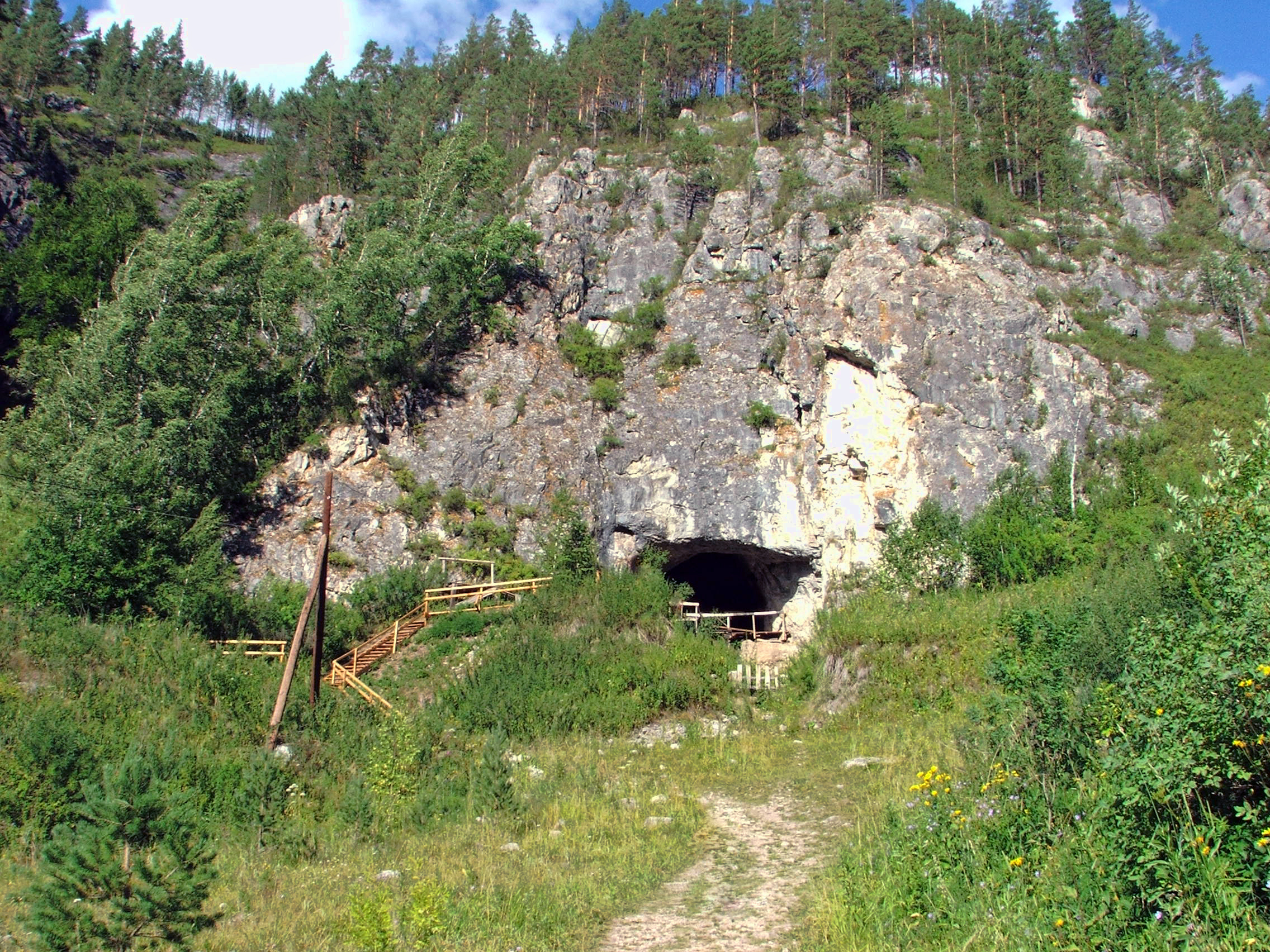 Can you tell who lived in a cave without finding a single bone there?ancient DNA
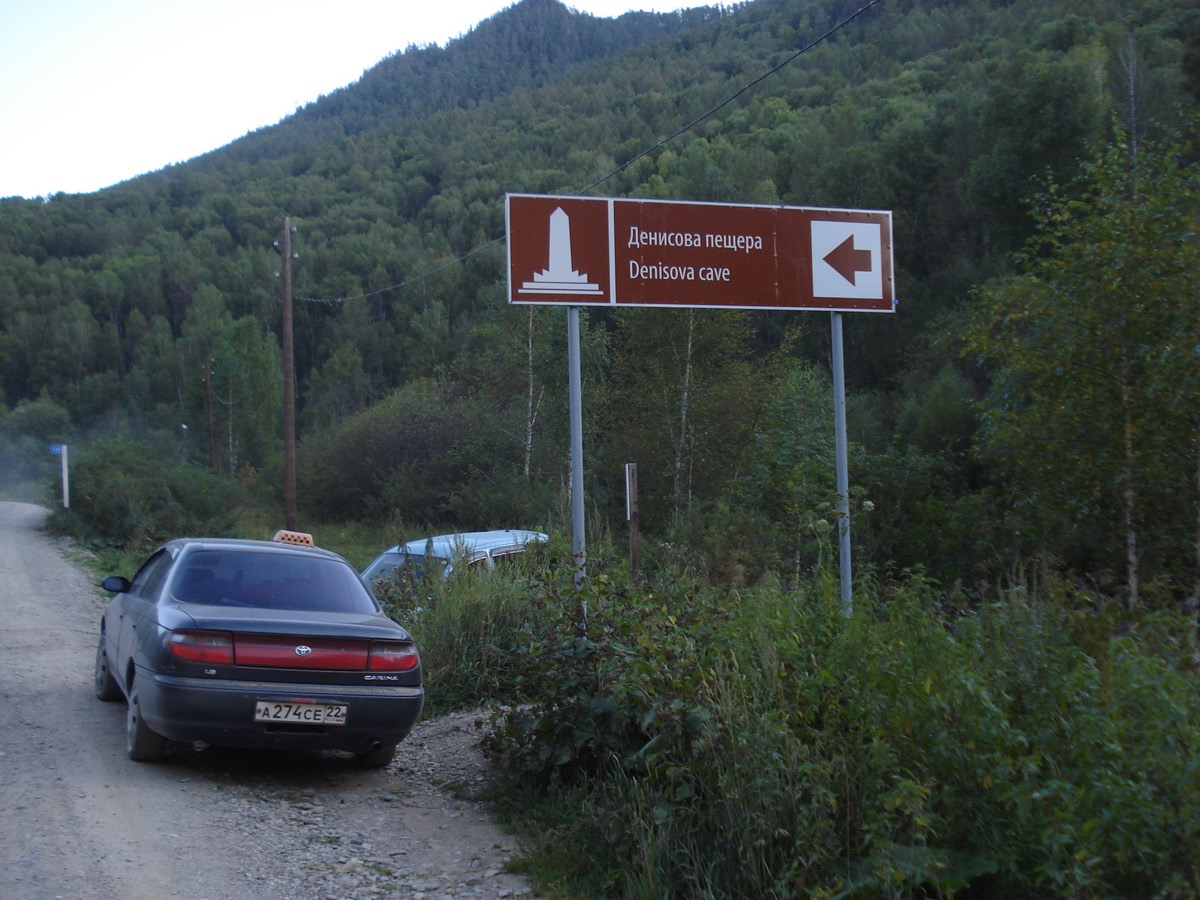 How did one finger bone reveal a branch of humanity nobody knew?ancient DNA
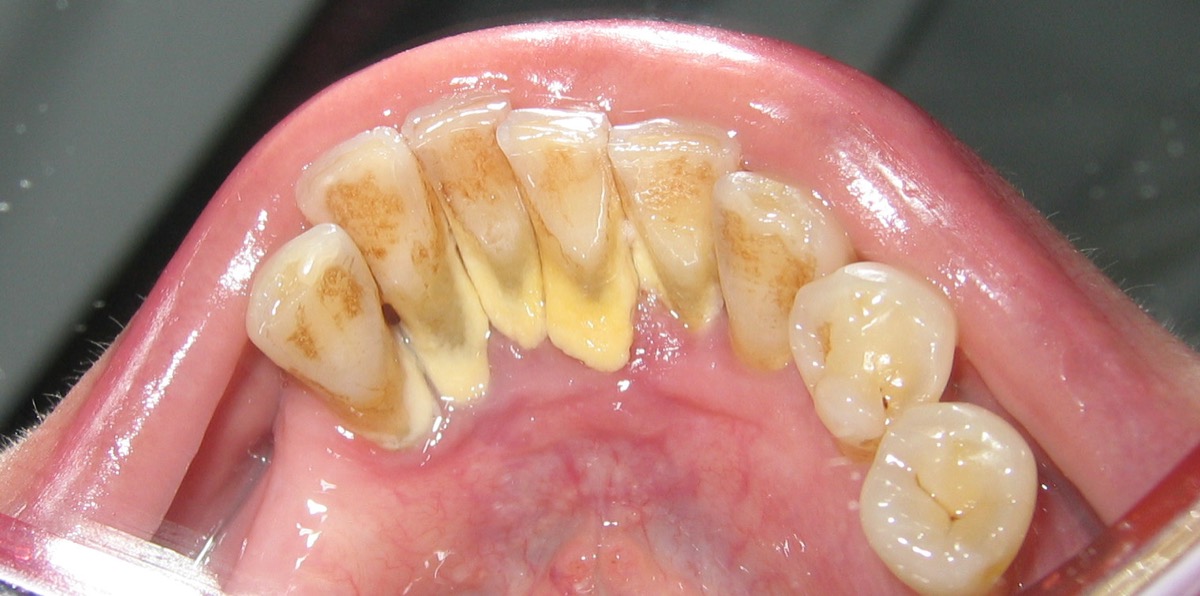 Can you tell what an ancient person ate from the DNA in their teeth?ancient DNA