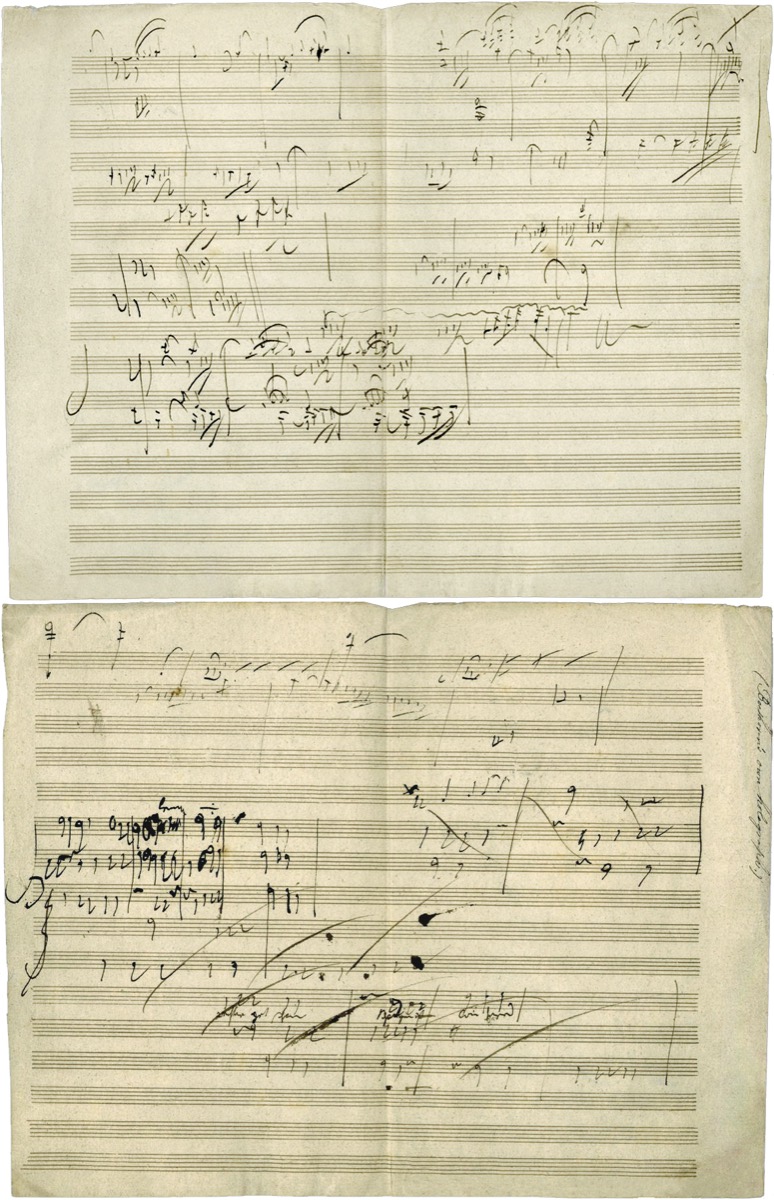
Beethoven’s career was shaped by progressive hearing loss, recurring gastrointestinal complaints and liver disease, and in 1802 he asked that after his death his disease be described and made public. Medical biographers have proposed many hypotheses since, several of them substantially heritable. His hair survives.
A genome, from hair rather than bone. The team folded improvements in ancient DNA methods into protocols for historical hair, which let them sequence from small quantities. They then read eight locks attributed to him, looking for genetic and of his illnesses.
Beethoven remains among the most influential and popular classical composers, and health problems significantly affected his career as composer and pianist: progressive hearing loss, recurring gastrointestinal complaints, and liver disease.
In 1802 he requested that following his death his disease be described and made public. Medical biographers have since proposed numerous hypotheses, including many substantially , which is a question a genome can address.
The method had to be built for the material. The authors incorporated improvements in ancient DNA methods into existing protocols for ancient hair samples, which enabled sequencing of high-coverage genomes from small quantities of historical hair.
They analyzed eight independently sourced locks attributed to Beethoven. The aim, in their words, is to elucidate potential underlying genetic and infectious causes of his illnesses, which is narrower than naming what killed him and is what the evidence can carry.
wat. Eight locks of hair, one genome, and a request from 1802 finally taken up.
wat wat
A request made in 1802 was answerable only once the method existed, and this is what honoring it looks like.
How do we know?
Begg and colleagues sequenced the locks, compared them against each other to establish which were authentic and from one individual, and searched the resulting genome for heritable causes of the documented complaints.
What is still unknown
A genome can speak to heritable risk and to some infections, and it cannot deliver a cause of death or settle what the deafness was.
Learn something?
Where to next
 Can you tell who lived in a cave without finding a single bone there?ancient DNA
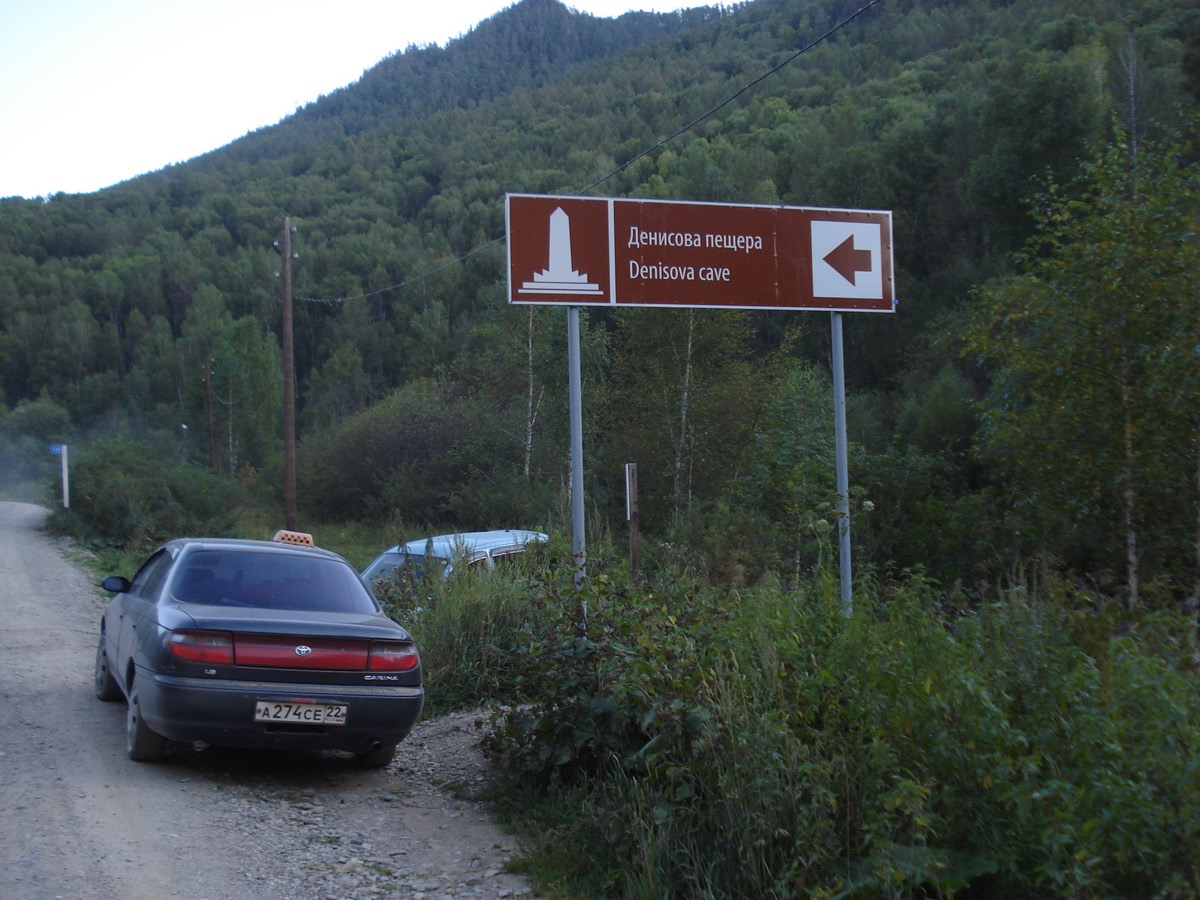 How did one finger bone reveal a branch of humanity nobody knew?ancient DNA
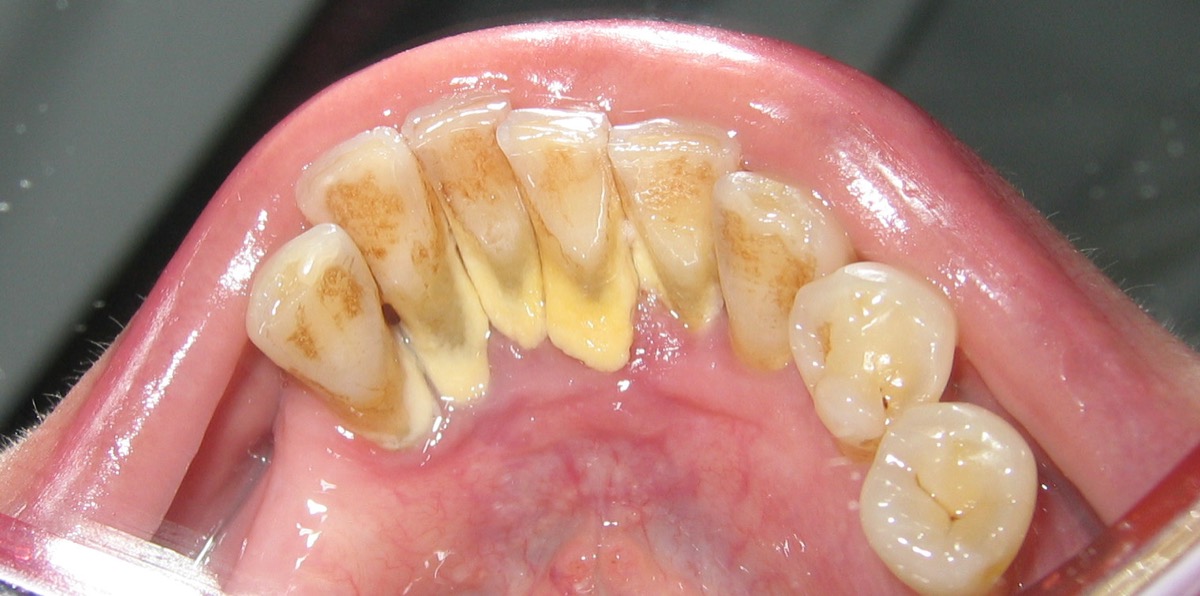 Can you tell what an ancient person ate from the DNA in their teeth?ancient DNA