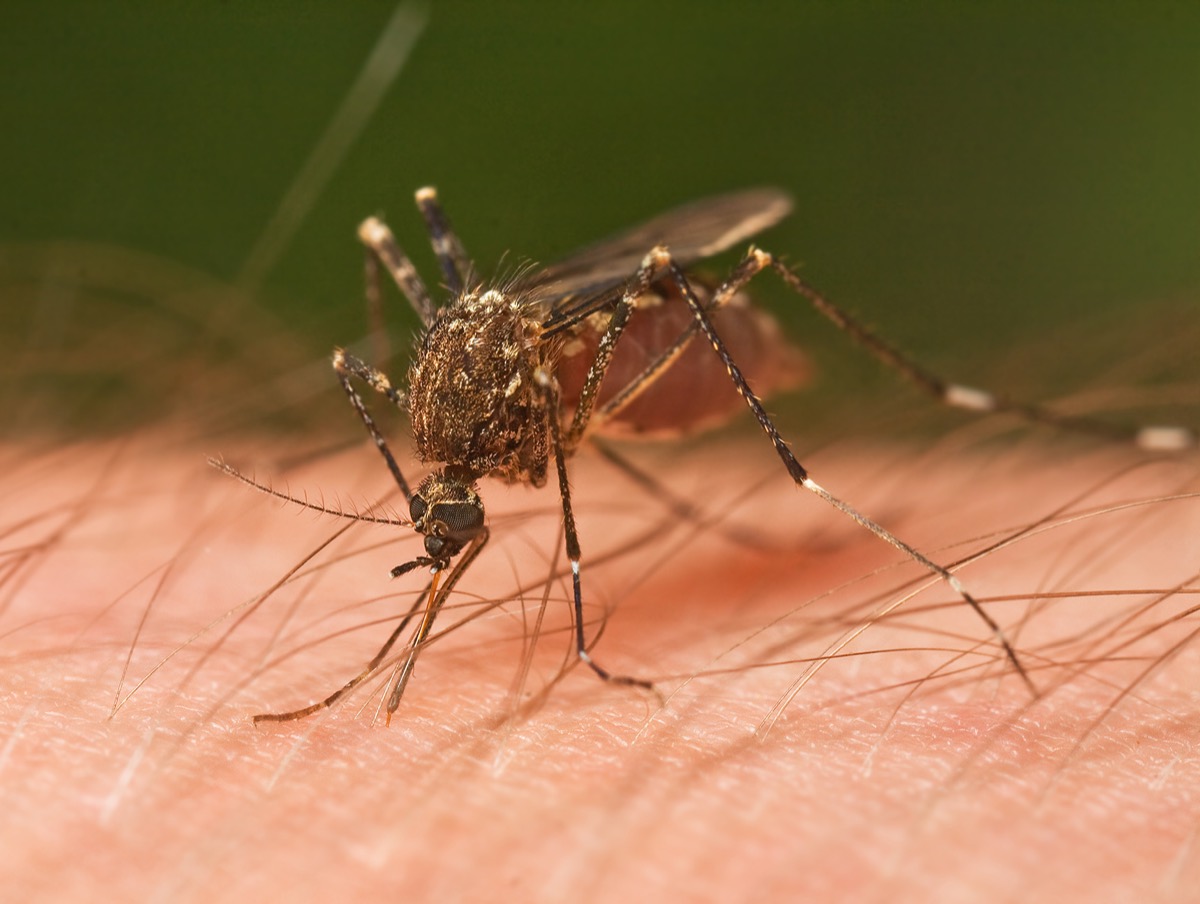
Alcohol consumption is rising in the countries where malaria is worst, which makes any link between the two a public health question rather than a curiosity. Mosquitoes find people by smell, so the testable version is whether beer changes a person’s odor enough to matter. Researchers in Burkina Faso put whole-body odor through a , before and after volunteers drank beer or water.
Beer made people more attractive and water did nothing. Body odors from the 25 volunteers who drank beer increased both mosquito , the proportion taking off and flying upwind, and orientation, the proportion flying toward the odor. Water had no effect across the 18 volunteers who drank it. and body temperature made no difference, so the usual explanations do not apply.
Malaria and alcohol consumption are both major public health problems, and alcohol consumption is rising in developing countries. As malaria control efforts expand, any interaction between the two becomes worth understanding, and mosquitoes locate people largely by smell, which gives a clear way to test one.
The study used a Y-tube olfactometer designed to take whole body odor, breath and skin emanations together, as the stimulus. It gauged the attractiveness of volunteers to , the primary African malaria vector, before and after they drank something. The beer arm had 25 volunteers and 2,500 mosquitoes tested; the water arm had 18 volunteers and 1,800 mosquitoes.
Water consumption had no effect on attractiveness. Beer consumption increased it. The odors of volunteers who had drunk beer raised mosquito activation, the proportion engaging in take-off and upwind flight, and orientation, the proportion flying toward the volunteer’s odor.
Two usual suspects were eliminated. Neither exhaled carbon dioxide nor body temperature affected attractiveness, so the effect is not simply a warmer person breathing harder. Despite variation between individual volunteers, beer consistently increased attractiveness. The authors argue this makes beer a risk factor for malaria that belongs in public health policy. Note what was measured, though: mosquito behavior in an olfactometer under semi-field conditions, not infections.
wat. After a beer, the same volunteers’ body odor got more mosquitoes airborne and flying toward them, with no change in breath or temperature.
wat wat
It identifies a modifiable risk factor that no bed net addresses. The authors argue beer consumption should be built into how malaria control measures are designed.
How do we know?
Lefèvre and colleagues used a Y-tube olfactometer with whole-body odor as the stimulus, testing Anopheles gambiae responses to 25 volunteers before and after beer and to 18 volunteers before and after water, in semi-field conditions.
What is still unknown
The outcome is mosquito behavior in an olfactometer, not malaria infection. Semi-field conditions with a single beer episode cannot say how much real transmission risk that behavior translates into.
Learn something?
Where to next
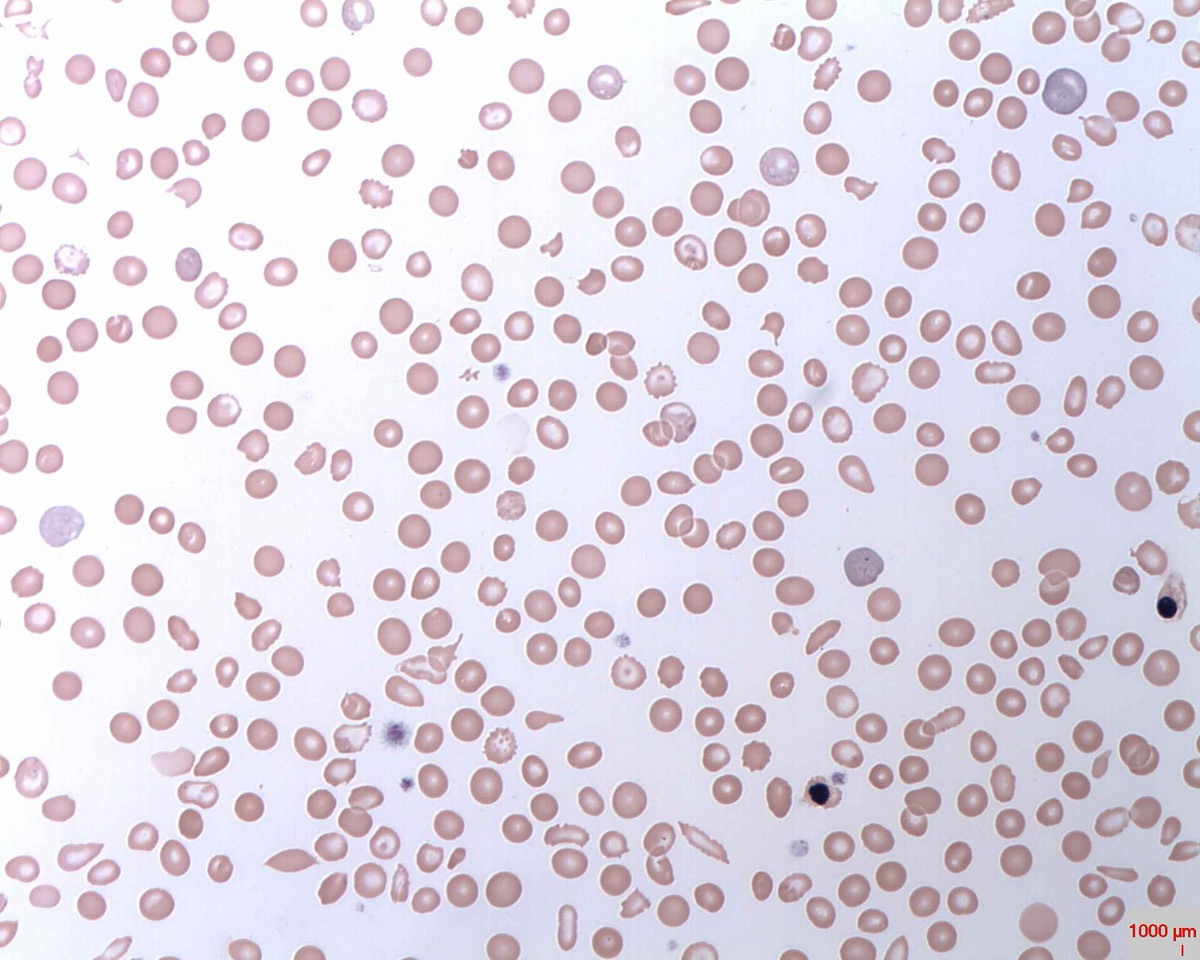 Why is a harmful blood mutation common exactly where malaria is worst?malaria
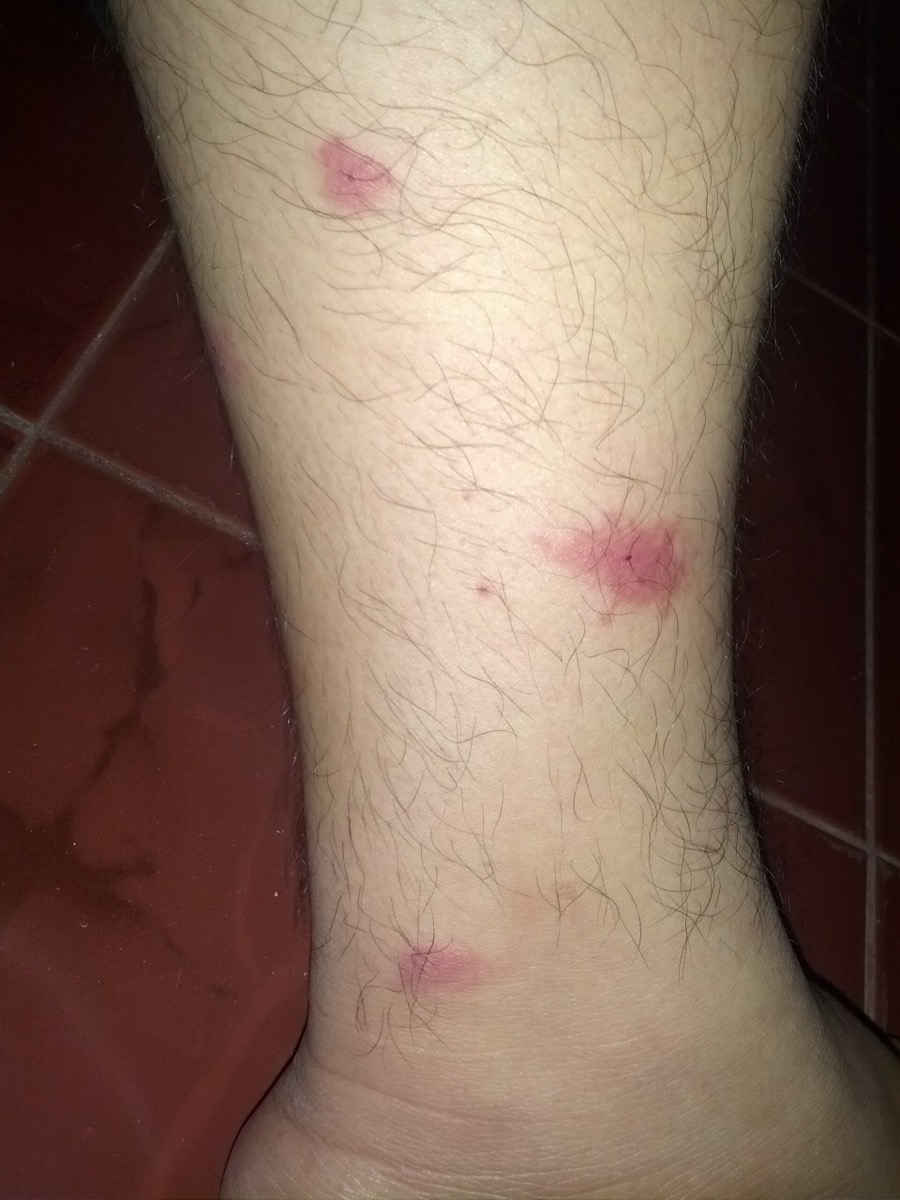 What does a mosquito bite do to you besides itch?mosquitoes
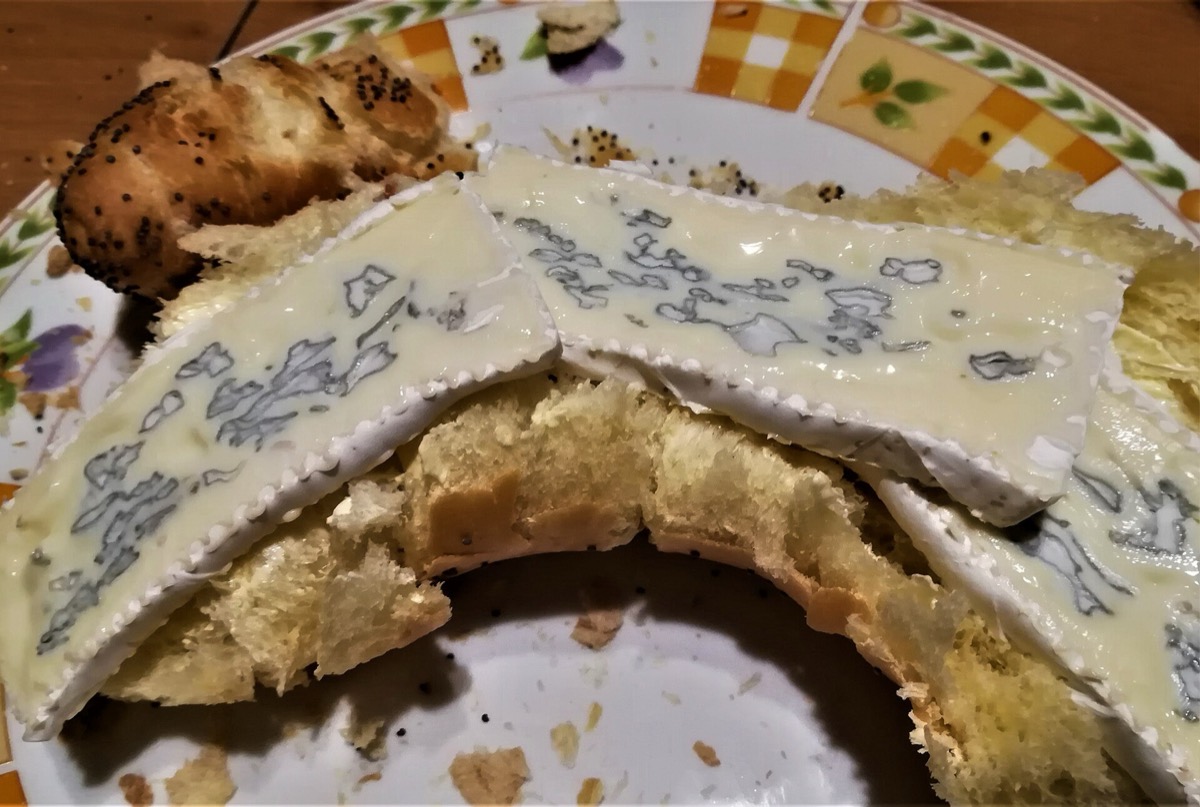 How do we know Iron Age salt miners knew blue cheese and beer?beer