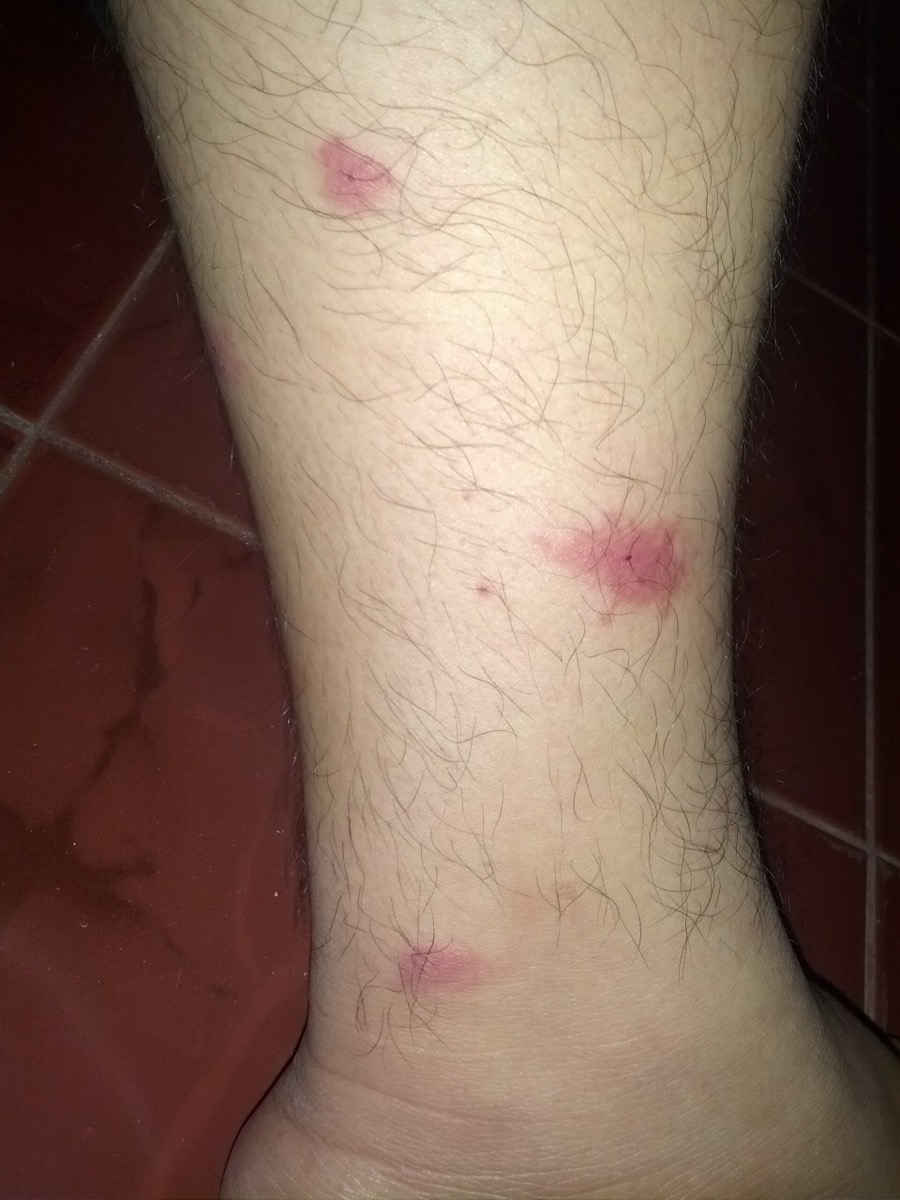
Mosquito saliva is a mixture of more than a hundred proteins, many with unknown function, and all of it goes into the skin during feeding. Most of what is known comes from ordinary mouse models, injected with salivary gland extract, which may not reflect a human response at all. So mice engrafted with human blood stem cells were bitten by , and their human immune cells were tracked.
The response was wide and it lasted days. After four mosquitoes fed on , and multiplex cytokine assays detected both human immune responses. There were delayed effects on blood cytokine levels and on the composition of immune cells in the skin and bone marrow, still detectable seven days after the bites. Saliva alone did this, with no pathogen involved.
Mosquito saliva is a complex concoction of more than a hundred proteins, many of which have unknown functions, and it is injected into the skin during blood feeding. What those proteins do to a human immune system has been studied mainly in mouse models, using injection or biting, with systems whose results may not be relevant to human disease.
This study changed both halves of that. The animals were mice engrafted with human hematopoietic stem cells, so the immune cells responding were human. And the bites came from living mosquitoes feeding on the footpads, rather than from a needle delivering salivary gland extract.
Four mosquitoes fed, and the response was tracked with flow cytometry and multiplex cytokine bead array assays, with detailed statistical analysis to detect small but significant variations in immune cell function. After preliminary work across several early time points, the authors focused on innate and subsequent cellular responses at six hours, 24 hours and seven days after biting.
Both Th1 and Th2 human immune responses appeared, along with delayed effects on cytokine levels in the blood and on immune cell composition in the skin and bone marrow, persisting up to seven days. The authors note these are the first measurements of their kind in whole animals bitten by living mosquitoes, and point toward identifying which saliva proteins to target for vaccination. Note the model, though: human cells in a mouse, with effects described as small, and no pathogen or disease measured.
wat. Four mosquito bites reshaped human immune cells in skin, blood and bone marrow, and the changes were still there a week later.
wat wat
Everything a mosquito transmits arrives in this saliva, into an immune system the saliva has already altered. If the bite reshapes the response for a week, that is the context every mosquito-borne pathogen is delivered into.
How do we know?
Vogt and colleagues let four living mosquitoes feed on the footpads of mice engrafted with human hematopoietic stem cells. Flow cytometry and multiplex cytokine bead arrays followed at six hours, 24 hours and seven days after biting.
What is still unknown
Humanized mice are human immune cells in a mouse, not a person, and the effects described are small though statistically detectable. Nothing here measures disease or transmission.
Learn something?
Where to next
 Do the fungi in a gut do anything?immunity
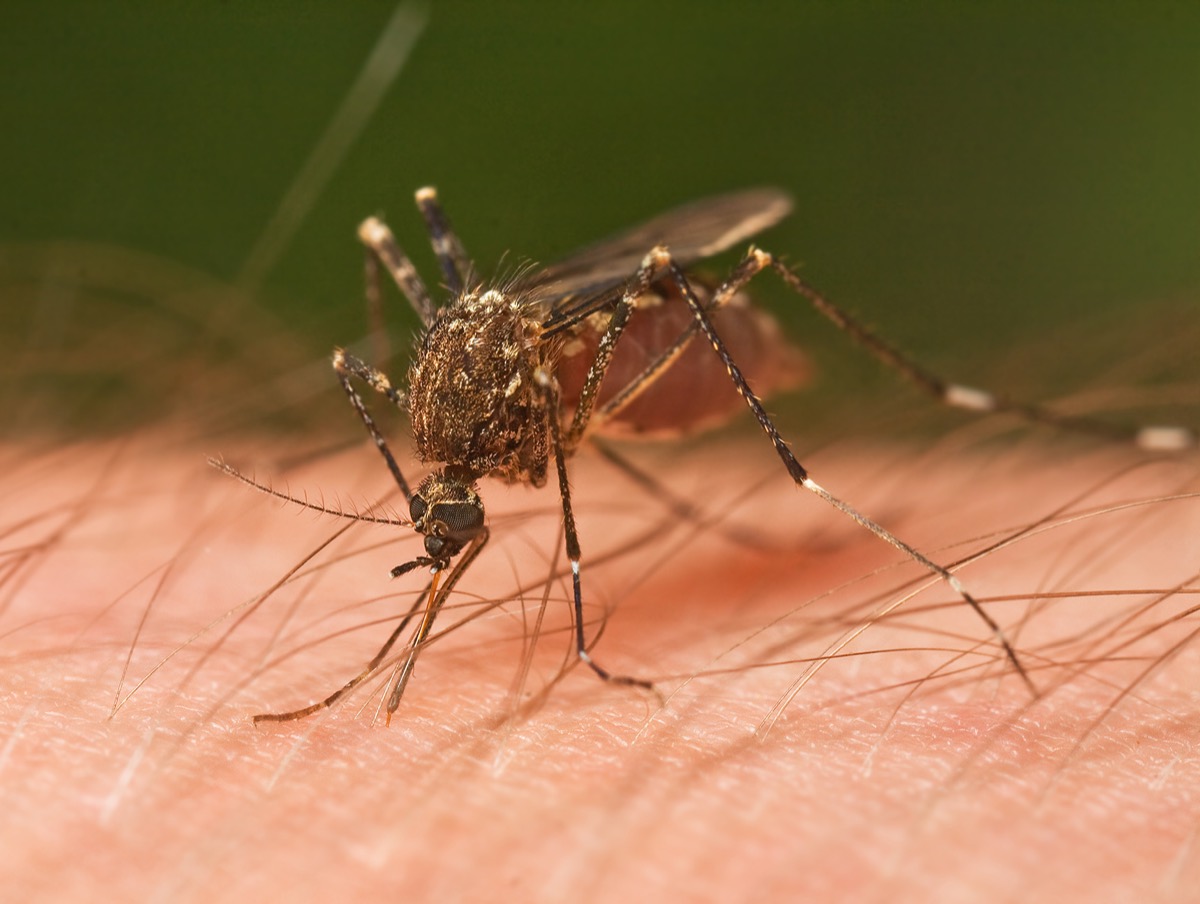 Does drinking beer make mosquitoes more interested in you?mosquitoes