In the salt mines of in Austria, ancient survived, among them one from the Iron Age. Which is to say there is direct documentation of a meal here, rather than vessels or bones. What was in it?
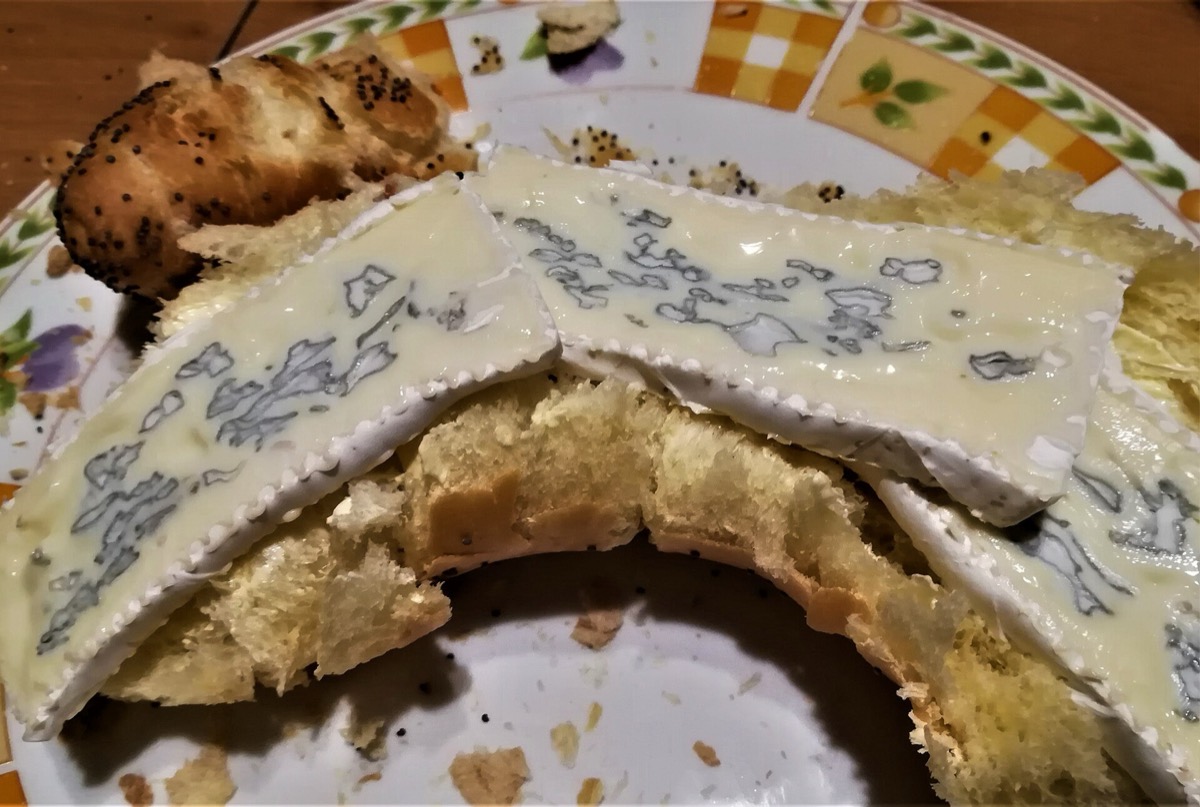
Two fungi from a kitchen. The sample held a high quantity of , the mold used to make blue cheese, and of brewer’s yeast, the fungi that help turn sugar into alcohol. Further genetic analysis matched both species to food processes. This is molecular evidence of fermented food in the area, not a precise recipe of the miners.
The evidence did not come from a beer cup or a lump of cheese preserved intact. The salt at Hallstatt preserved feces from different periods, so the researchers could look inside the remains for what passed through the digestive system of the people who worked there.
In one Iron Age sample, DNA remains of Penicillium roqueforti and of brewer’s yeast were abundant. These are not just names familiar from a modern kitchen: an examination of the genomes pointed to fungi adapted to use in food fermentation.
The team also examined plant remains and proteins. The miners’ menu included plenty of high-fiber grains, alongside pulses and animal food now and then. The broader picture helps read the fungi as part of a diet rather than an isolated find.
One fecal sample still has its limits. It does not reveal the recipe, the quantity of cheese or beer consumed, or whether everyone in the area ate the same thing. The strong finding is the presence of fungi suited to fermented food in the ancient sample.
wat. A fecal sample from the Hallstatt salt mine held fungi matching the production of blue cheese and beer in the Iron Age.
wat wat
A tiny biological remnant can reveal an everyday food technology invisible in pottery or in written records.
How do we know?
The team combined ancient DNA testing with identification of proteins and plant remains in fecal samples preserved in salt across different periods.
What is still unknown
The two fungi were abundant in one Iron Age sample. It does not prove every miner ate blue cheese and drank beer, and it preserves neither their taste nor the manner of preparation.
Learn something?
Where to next
 How do you find traces of beer once the liquid is long gone?beer
 Does drinking beer make mosquitoes more interested in you?beer