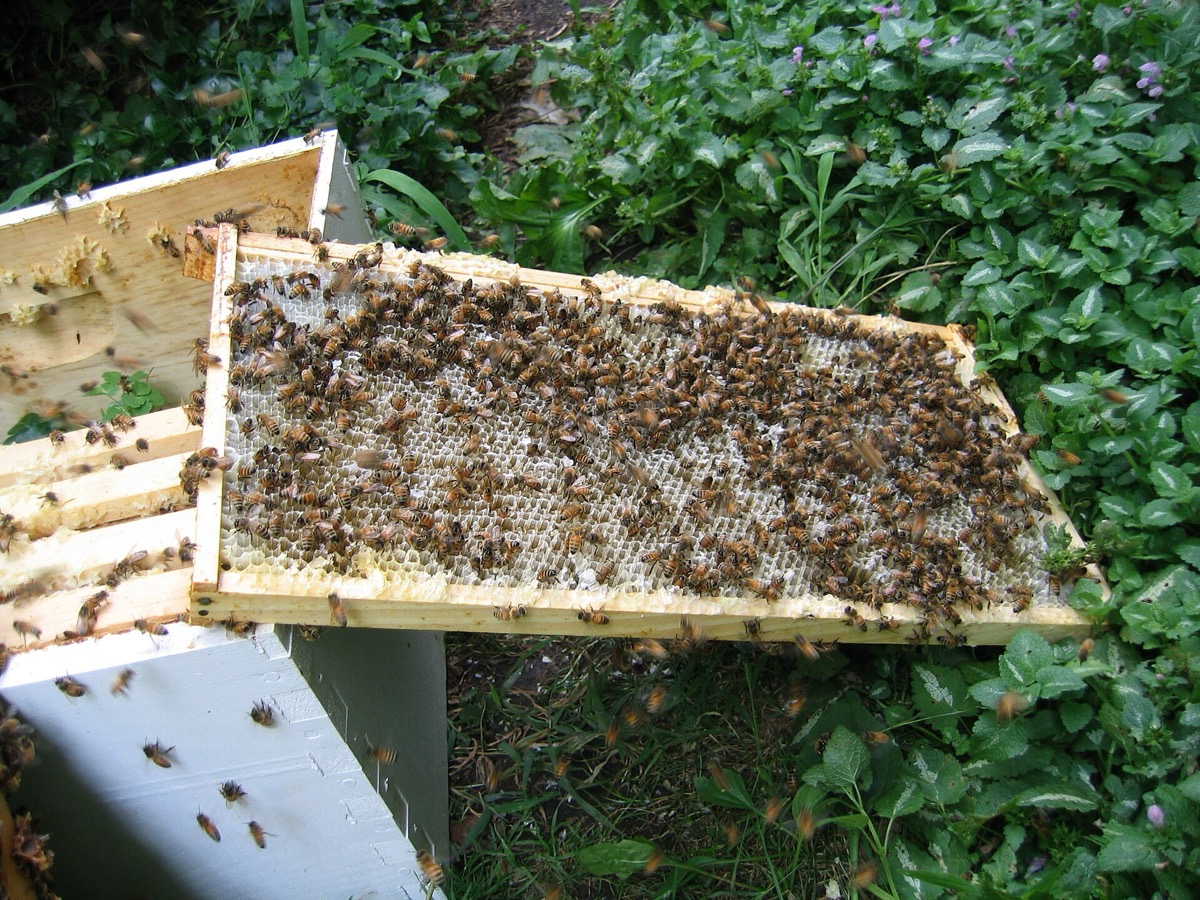
Some patterns of behavior in animals are rather than learned, and among the clearest examples is how they convey information to one another. A foraging honeybee that finds returns to a dark hive full of bees that have not been there. spent years watching what happens next. What did he find them doing?
Dancing, with the information in the pattern. At the end of the nineteen twenties, von Frisch pointed out that bees who find nectar in a flower fly in a special pattern. They perform a kind of dance, and the dance shows other bees in the vicinity where to find it. The behavior carries a location, which makes it communication rather than excitement.
Some animal and human patterns of behavior are innate rather than acquired. Among the examples the Nobel committee names are how animals convey information to one another, how they behave when mating, and how they care for their young. Those are the territory of .
Karl von Frisch, Konrad Lorenz and Nikolaas Tinbergen shared the nineteen seventy-three Nobel Prize in Physiology or Medicine for pioneering contributions in that field. The citation covers discoveries concerning the organization and elicitation of individual and social behavior patterns. Each took a third of the prize.
Von Frisch’s contribution concerns bees and nectar. At the end of the nineteen twenties he pointed out that bees who find nectar in a flower fly in a special pattern and perform a kind of dance. That dance shows other bees in the vicinity where to find the nectar.
What makes that remarkable is where it happens. The hive is dark and crowded, the audience has not seen the flowers, and the dancer cannot lead anybody anywhere. Whatever the other bees take from the performance, they take it from the pattern of the movement itself, and then fly out and find the place.
wat. She does not lead them there. She performs the route in the dark and they fly it themselves.
wat wat
Before this, animal signals were mostly read as states: alarm, readiness, distress. A dance that encodes a place is a message with content in it.
How do we know?
The Nobel Prize entry for the nineteen seventy-three award in Physiology or Medicine records what von Frisch established and the citation he shared with Konrad Lorenz and Nikolaas Tinbergen.
What is still unknown
A short prize record, which states the finding and the citation rather than the experiments. It does not describe how the direction and distance are encoded, or how the claim was tested.
Learn something?
Where to next
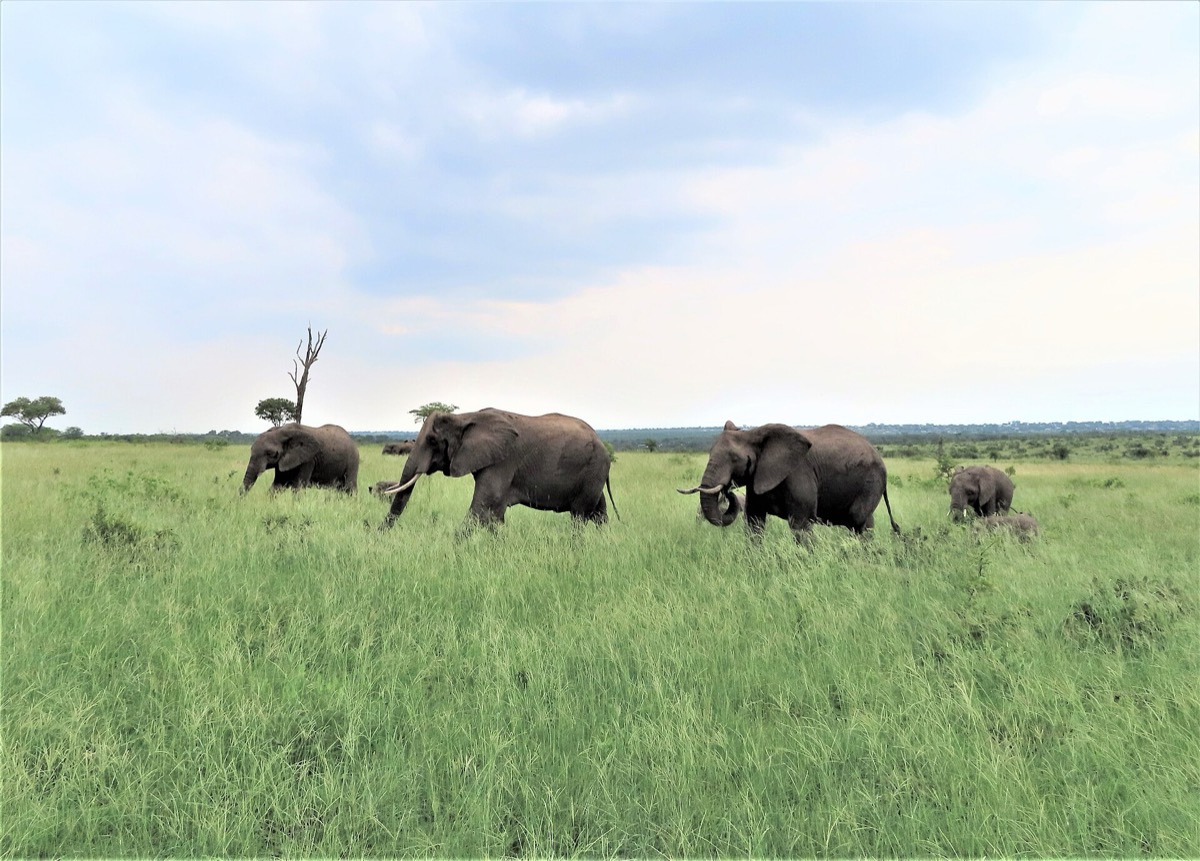 What do elephants hear through the soles of their feet?communication
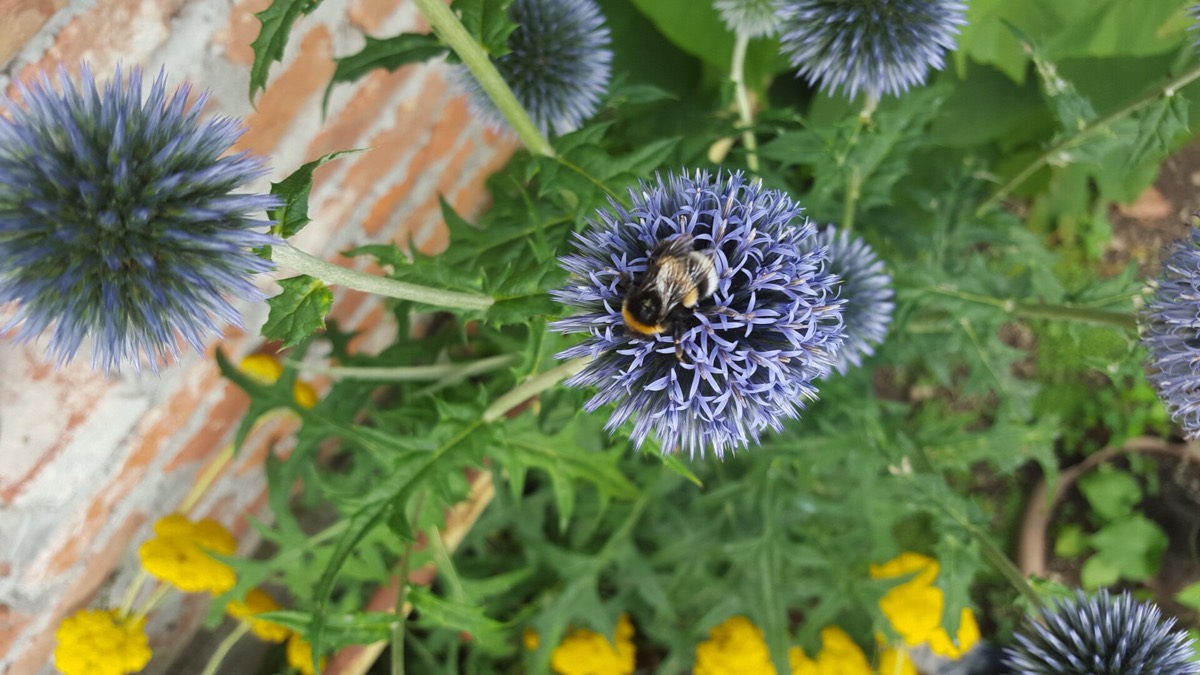 What can a bumblebee learn but never invent on its own?bees
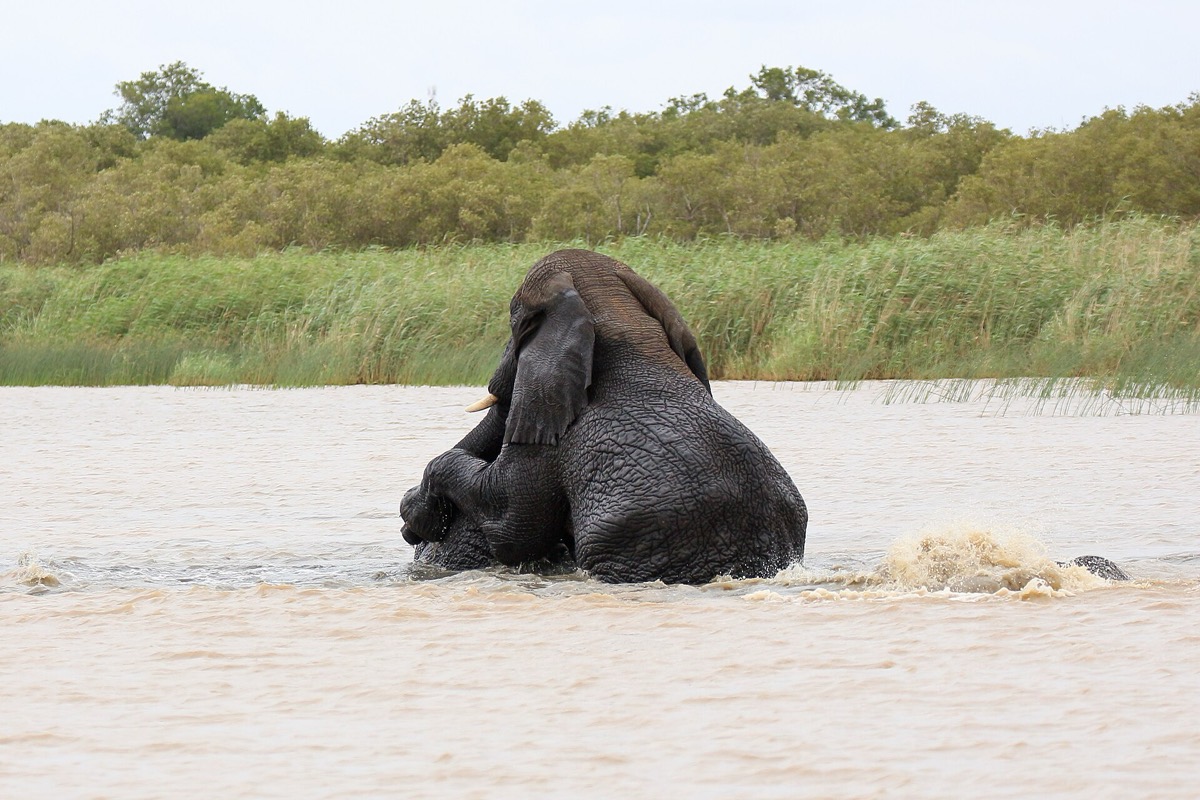 Do elephants call each other by name?communication