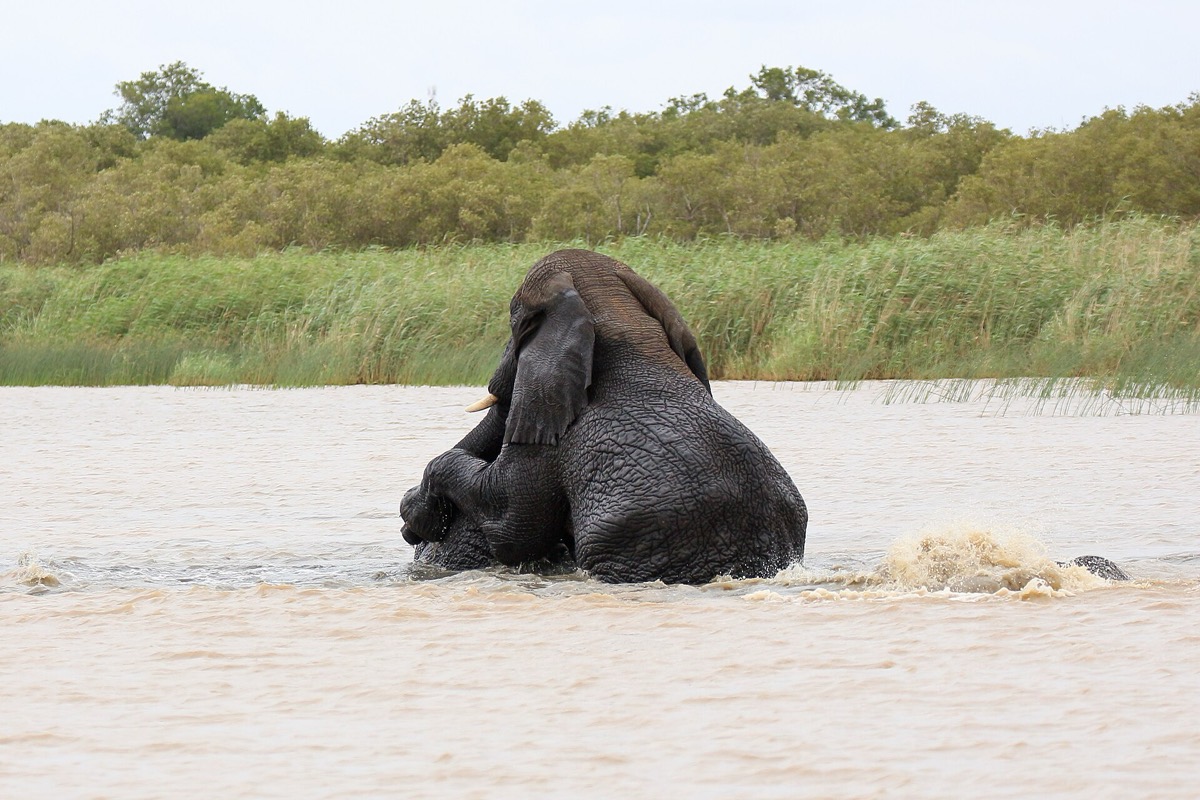
Personal names are universal in human language and almost absent elsewhere. Dolphins and parrots do address each other, by imitating the call of the one they are addressing, which is a different trick: a human name is not an impression of the person. Which kind do elephants use?
The human kind, on this evidence. Machine learning could predict the receiver of a wild African elephant call from its , regardless of how much the call resembled that receiver’s own vocalizations. Elephants also responded differently to of calls addressed to them than to calls meant for somebody else.
Personal names are a universal feature of human language, and few analogues exist in other species. Dolphins and parrots address others of their kind by imitating the calls of the addressee, which is a real form of addressing and a narrower one.
The difference matters for language. Naming objects or individuals without relying on of the sounds they make radically expands what can be expressed, so a non-imitative analogue in another species would have implications for how language evolved.
Wild African elephants turn out to address one another with individually specific , probably without relying on imitation of the receiver. Machine learning showed the receiver of a call could be predicted from its acoustic structure, regardless of how similar the call was to that receiver’s own vocalizations.
Then the behavioral test. Elephants responded differently to playbacks of calls originally addressed to them than to calls addressed to a different individual. The authors offer this as evidence of individual addressing, and keep the word probably for the imitation question.
wat. An elephant could tell from a call whether it was the one being addressed.
wat wat
Naming without imitating is what lets language label anything at all, so finding it in another species moves the question of how language could have evolved.
How do we know?
Pardo and colleagues trained models to identify the receiver from the acoustic structure of calls recorded from wild African elephants, then played calls back to individuals and compared their responses.
What is still unknown
The authors say probably, since ruling out imitation entirely is hard, and this is one population of wild elephants.
Learn something?
Where to next
 What do elephants hear through the soles of their feet?elephants
 How does a group of male elephants decide it is time to leave?elephants
 Why don’t elephants get more cancer than we do?elephants