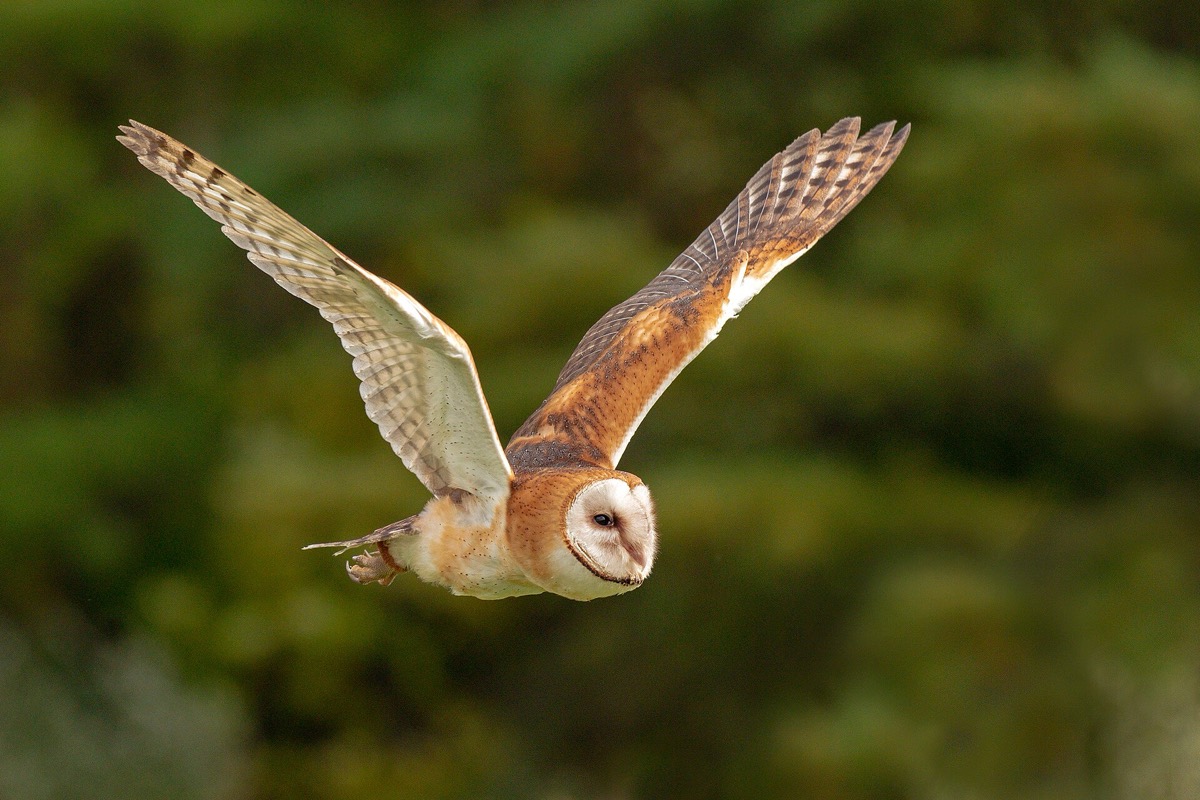
An owl wing carries several adaptations at once: a of stiff bristles along the leading edge, a velvety texture across the feather surface, and a soft flexible at the trailing edge. It is tempting to look for the one responsible for the silence. Which of them does it?
No one of them, and not every owl. Each adaptation plausibly disrupts a standard route of noise generation, and it remains a mystery exactly which aspects of the owl and its flight produce the dramatic reduction. Specialized adaptations and foraging strategies are also across owl species. Some may have no need for silent flight at all, and in others the same features may not deliver useful noise reduction.
The ability of some owls to fly in effective silence is unique among birds and gives them a hunting advantage. It is also still a mystery exactly what about the owl and its flight is responsible, which is unusual for something this famous.
The wing offers three obvious suspects: the comb of bristles at the leading edge, the of the feathers, and the soft fringe behind. Each can plausibly disrupt one of the standard routes by which a wing makes noise.
The evidence comes from several directions at once. Noise measurements on live owls, mathematical modeling, and experiments designed to isolate one adaptation from the others, with each method strong where the others are weak.
What emerges is that the question was slightly wrong. Adaptations and foraging strategies are not uniform across owl species, some of which may have no need for silence, and in others the same structures may not produce useful noise reduction. The practical interest is in the flow physics, since whatever is doing the quieting could quiet a turbine.
wat. Silent owl flight comes from several structures and flight habits together, rather than from one magic feather.
wat wat
Understanding where the silence comes from is what would let the flow physics be turned into noise-reduction strategies for fans, turbines and aircraft.
How do we know?
Jaworski and Peake reviewed the evidence on aerodynamic noise from owls, from noise measurements on live owls through mathematical modeling to experiments isolating how owls may disrupt the standard routes of noise generation.
What is still unknown
Not all owl species are equally quiet, and experiments on wing sections or models do not reproduce a living bird in flight.
Learn something?
Where to next
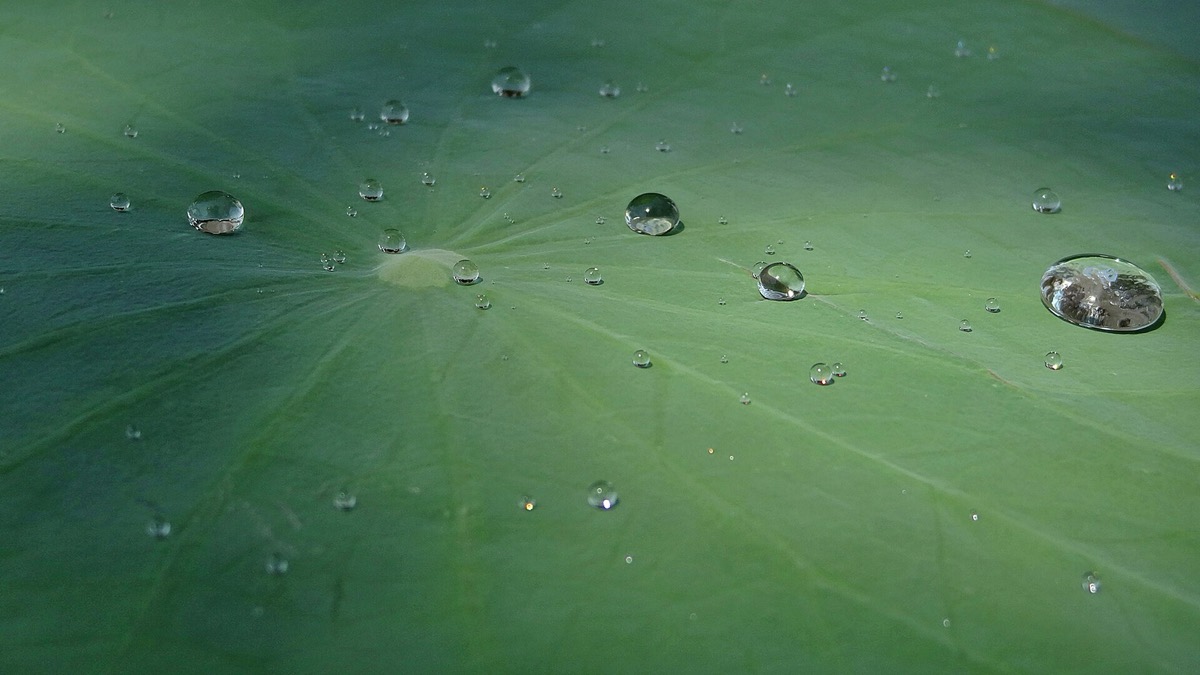 A lotus leaf grows in mud and stays clean. What does the rain do differently on it?biomimicry
 Why does sand on a vibrating plate draw lines?acoustics
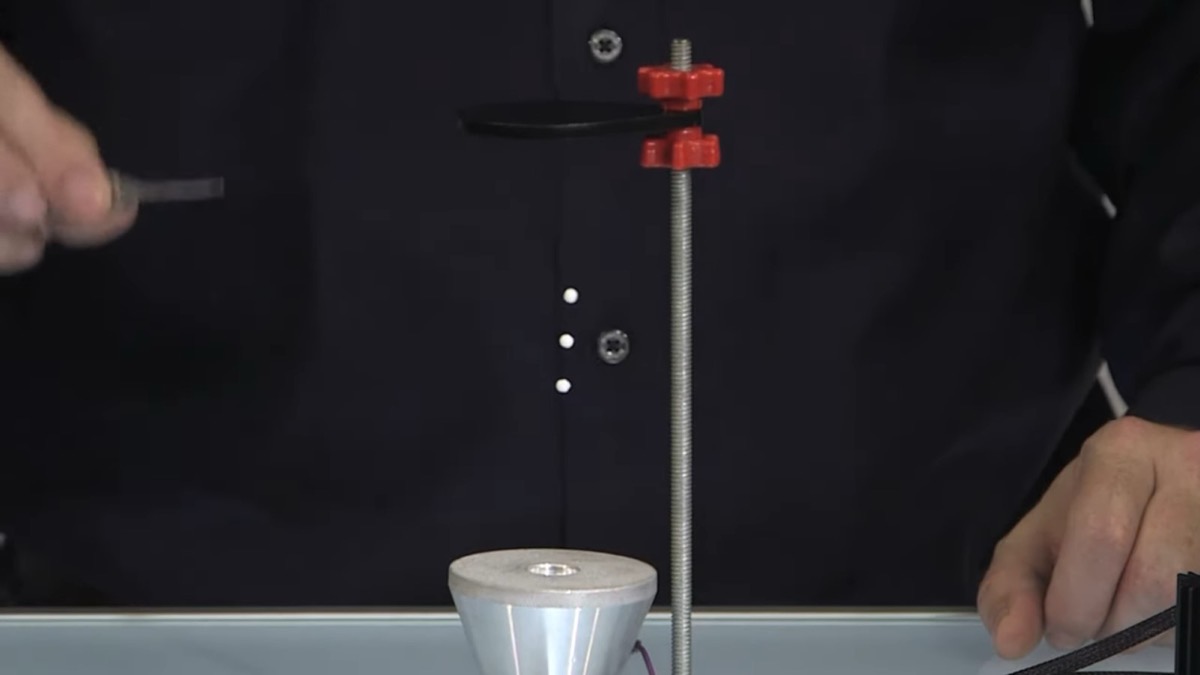 What does a droplet do when sound holds it in mid-air?acoustics