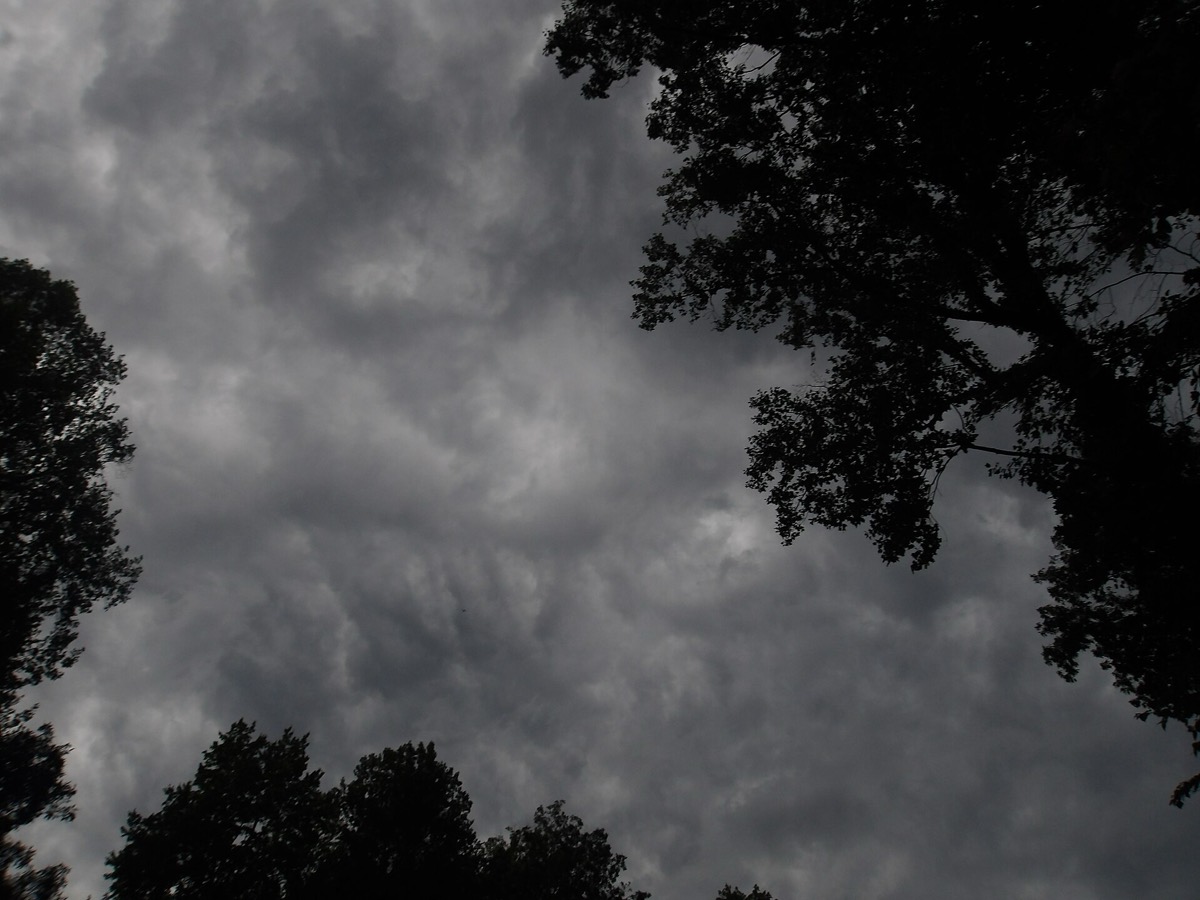
looks like a dark, rumpled surface of chaotic waves hanging under the cloud base. Photographs of it arrived from all over the world, until the World Meteorological Organization put it into the official atlas in 2017. It is not a kind of cloud, though. So what is it?
A , which is a different rank entirely. Cloud classification runs from genera down through species and varieties to features that appear on a cloud already named, and asperitas was added to that last category. The atlas defines it as well-defined wave-like structures in the underside of the cloud, more chaotic and less horizontally organized than the variety . It shows up mostly on Stratocumulus and Altocumulus.
A cloud base that looks like a rough sea from underneath is irresistible to photograph, and the quality that distinguishes it is disorder. Ordinary cloud waves arrange themselves in neat rows, and this surface does not.
The 2017 edition of the International gave it a name. Asperitas is defined there as well-defined, wave-like structures in the underside of the cloud, more chaotic and with less horizontal organization than the variety undulatus. The localized waves can be smooth or dappled, and they can descend into sharp points.
It arrived as a supplementary feature rather than as a cloud. Features describe something that appears on a cloud already classified, which is why asperitas is listed alongside mamma and arcus. It shows up mostly on Stratocumulus and Altocumulus rather than constituting a genus of its own.
That is a classification and not an explanation. What organizes a cloud base into this particular chaos is still an open question, and other wavy clouds can look similar to an observer on the ground. What the atlas settled is the vocabulary, which is a real thing to settle. The definitions in it have the legal status of standard practice, so the word now means the same thing in every forecast office.
wat. Asperitas is not a new kind of cloud but an official wave feature, added to the cloud atlas in 2017.
wat wat
The names in the atlas are what let a forecaster in one country describe the same sky as a forecaster in another, so a change to it is rare and deliberate.
How do we know?
The International Cloud Atlas of the WMO carries the definition in its 2017 edition, in the section on supplementary features, where the defining text has the legal status of standard practice.
What is still unknown
Recognition is an observational classification and not an explanation. The mechanism that rumples a cloud base this way is still being worked out, and other wavy clouds can look much the same from the ground.
Learn something?
Where to next
 What did one volcano do to the whole atmosphere in a single afternoon?waves
 Is the electric eel an eel at all?classification
 Why do ducklings swim in a tight line behind their mother?waves