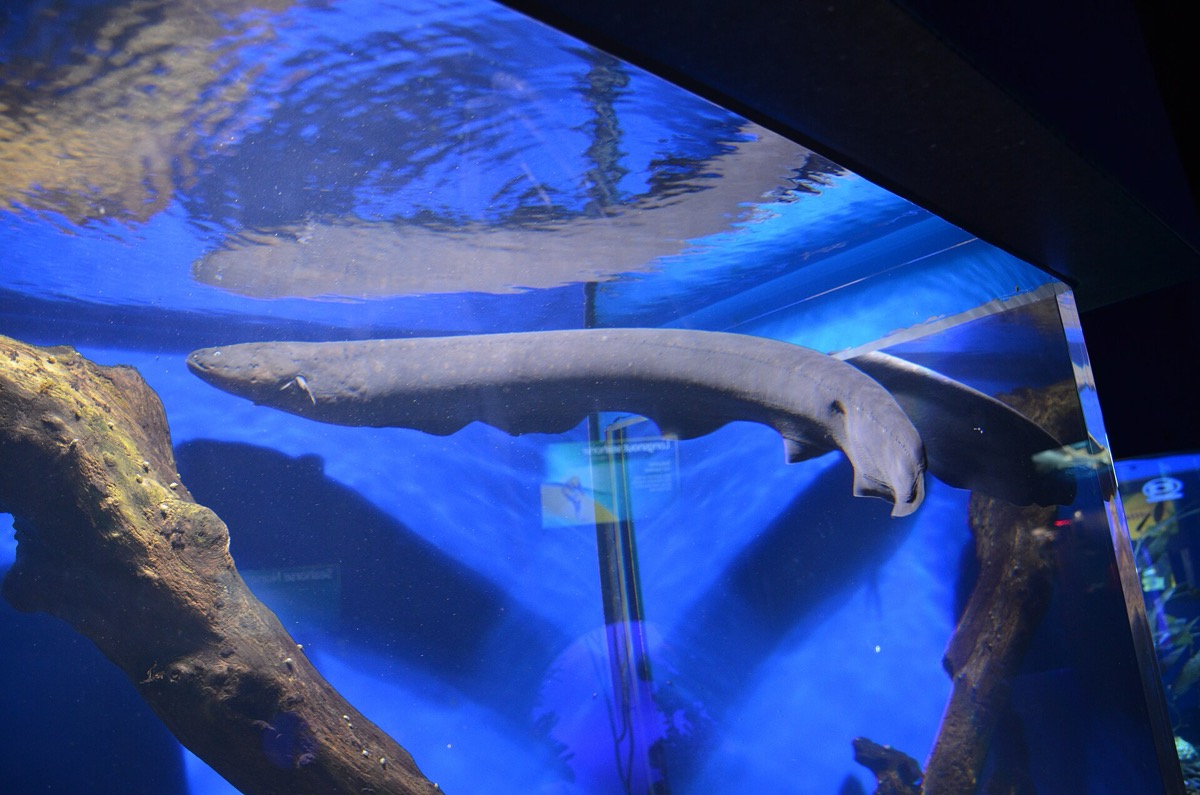
The electric eel has no dorsal fin and none of the other features that define a true eel. The name is a common one that stuck to it centuries ago on the strength of its long shape alone. So what is it, and what else can it do?
It is a . The members of that South American group almost all produce a weak electric field, for sensing and for communicating in the murk of the Amazon. So the electric eel is a relative that took a family trick to an extreme, and one species described recently discharged 860 volts, more than any other animal measured. Genetics corrected the twice over: one species turned out to be three, behind that had held for centuries.
The name misleads in two ways, and they are worth separating. First, the fish is not an eel: it lacks the anatomical features that define a true eel, a dorsal fin among them, and it is far closer to the South American knifefish. The name stuck centuries ago because of the long shape and simply stayed.
That family relation is not a technicality. Knifefish almost all produce a weak electric field, for sensing and for communicating in the murky water of the Amazon. Which is to say the electric eel is not a freak out of nowhere but a relative that pushed a family ability much further.
The pushing is impressive. along its body are built from cells converted out of muscle, each producing a minute voltage, and arranging them in series connects them like batteries in a torch. One species described recently reached 860 volts, the highest measured in any animal.
Then comes the second correction. A genetic analysis of populations across the Amazon basin revealed three separate species rather than one, although they look alike. That matters for conservation, because each species may live in different conditions and respond differently to change. There may be more not yet identified, and the work there is still going on.
wat. The species that set the new record discharged 860 volts, more than any other animal measured.
wat wat
Correcting the classification matters because each species may have its own physiology and its own environmental sensitivity, which bears on conservation in a changing Amazon.
How do we know?
A researcher at the Smithsonian measured the discharges of living fish with a voltmeter, and a genetic analysis across populations in the Amazon revealed three separate species where one had been assumed.
What is still unknown
There may be further species not yet identified, since work on the diversity of electric eels in the Amazon basin is still going on.
Learn something?
Where to next
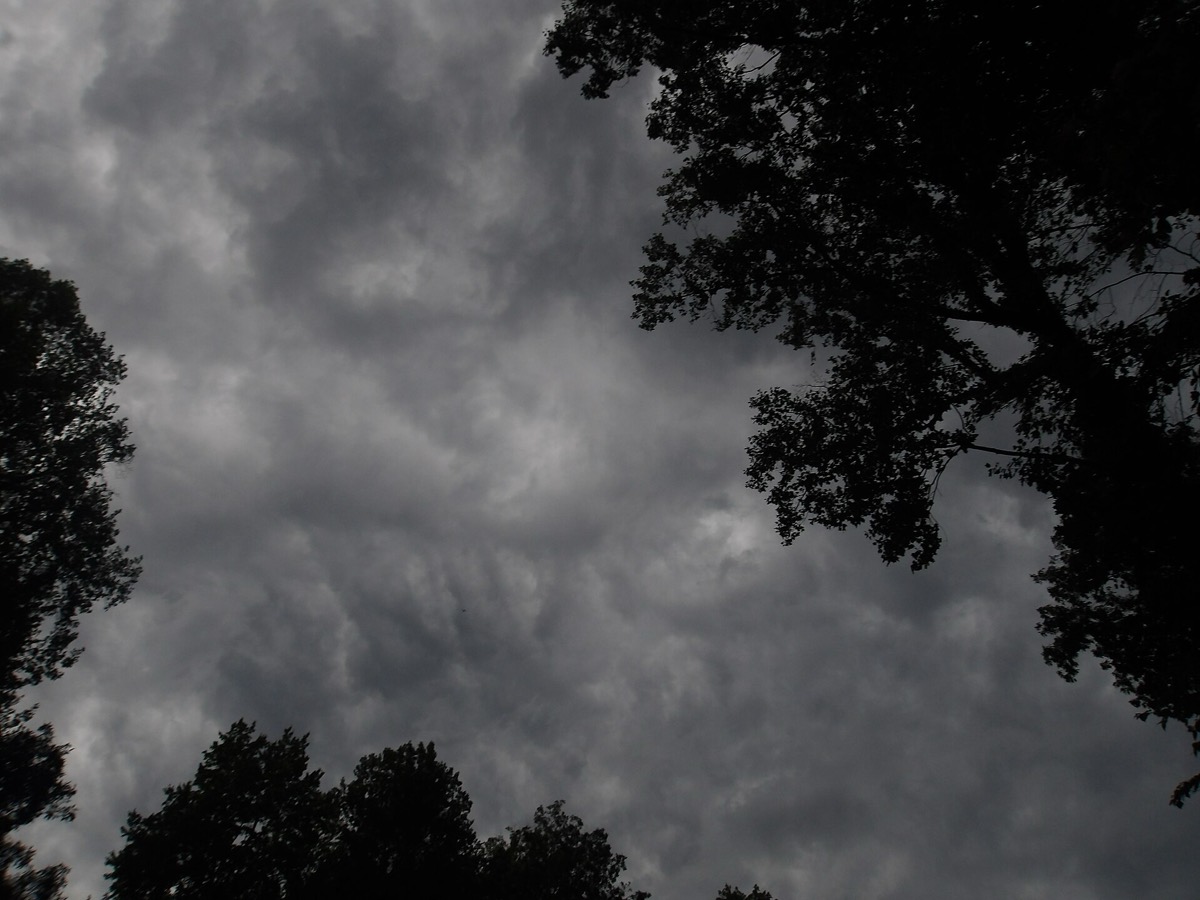 The sky looks like a rough sea seen from below. Is that really a new kind of cloud?classification