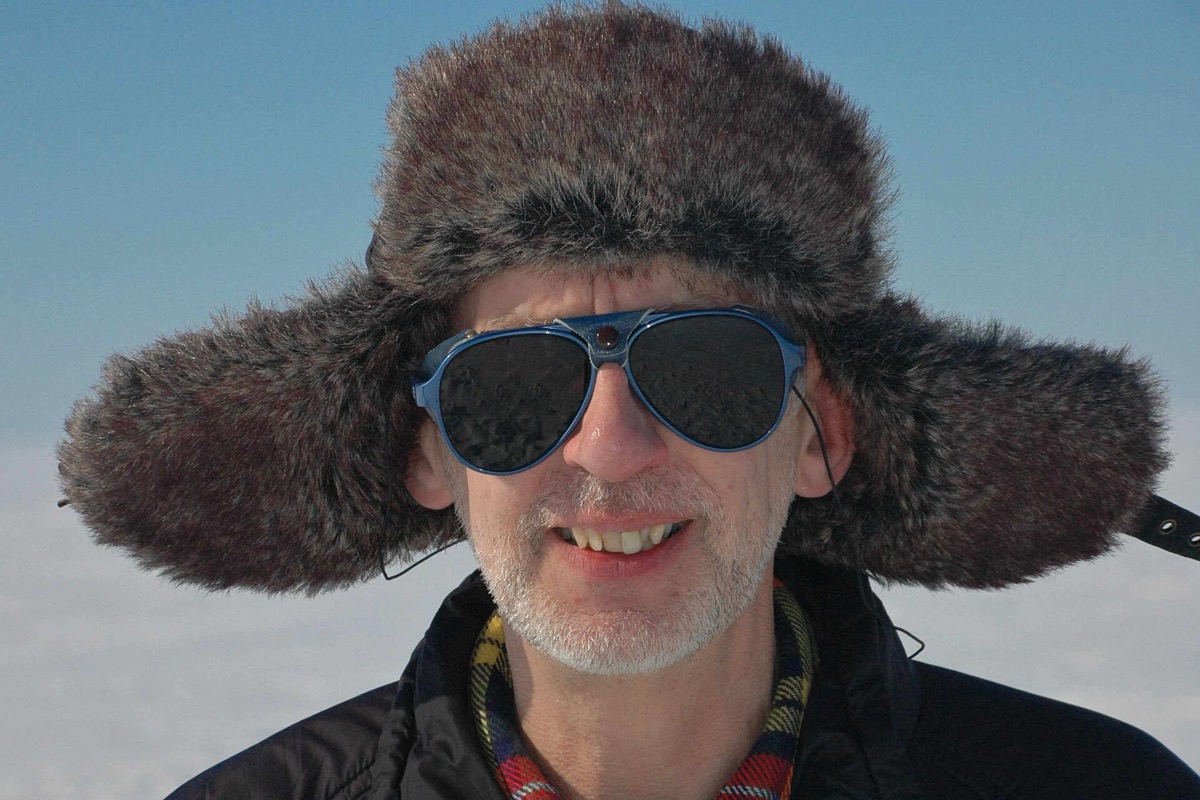
The is the planet’s sunscreen, holding back the that drives skin cancer, cataracts and damage to crops and ecosystems. In May of nineteen eighty-five, three scientists at the British Antarctic Survey published something nobody was expecting about the layer above Antarctica. What they found was that it vanishes each spring. What happened next?
Two years to a global ban. Joe Farman, Brian Gardiner and Jonathan Shanklin showed the protective layer over Antarctica disappearing each spring, and the work proved that man-made chemicals, among them, were destroying ozone high in the atmosphere. NASA satellites confirmed the data, with the hole spanning the whole Antarctic continent. Governments signed the in nineteen eighty-seven.
In May of nineteen eighty-five, Joe Farman, Brian Gardiner and Jonathan Shanklin of the British Antarctic Survey revealed that the protective ozone layer above Antarctica was disappearing each spring. The measurements came from Halley Research Station, using a Dobson spectrophotometer pointed at the sky.
The finding mattered because of what the ozone layer does. It shields people, food crops and ecosystems from ultraviolet-B, and without it the risks of skin cancer, cataracts and severe ecological damage would rise sharply. A hole opening over a continent is not a local problem.
What the work proved was that the cause was us. Man-made chemicals, chlorofluorocarbons among them, were destroying ozone high in the atmosphere, which turned an atmospheric curiosity into a question about industrial policy. NASA satellites then confirmed the BAS data, showing the hole spanning the entire Antarctic continent.
Governments acted within two years, signing the Montreal Protocol in nineteen eighty-seven. Forty years on, the hole still forms each Antarctic spring, but it is shrinking, and scientists expect a full return to pre-nineteen-eighty levels by the middle of this century. BAS treats the episode as a demonstration that human activity can harm the planet rapidly, and that the damage can also be reversed.
wat. From a measurement over Antarctica to a treaty every nation on Earth signed took two years.
wat wat
The Montreal Protocol is the only treaty every country on Earth has ratified, which makes it the strongest evidence available that a scientific finding can change behavior quickly.
How do we know?
The British Antarctic Survey’s own history of the discovery sets out the nineteen eighty-five result, the Dobson spectrophotometer measurements at Halley Research Station, and the treaty that followed.
What is still unknown
An institutional history written by the organization that made the discovery. It records what BAS found and what followed, rather than weighing how much of the recovery is owed to the treaty alone.
Learn something?
Where to next
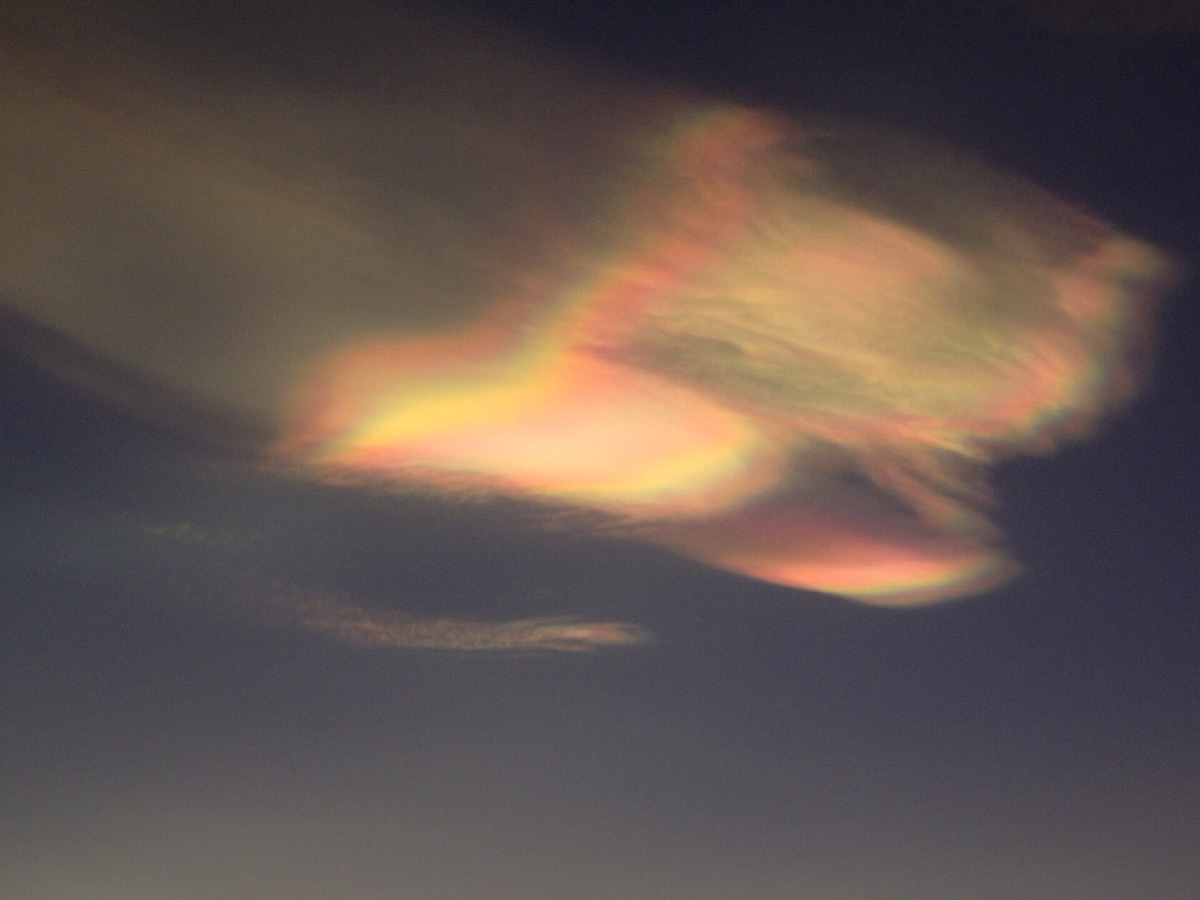 A nacreous cloud glows in a sky that has already darkened. What is happening high above us?ozone
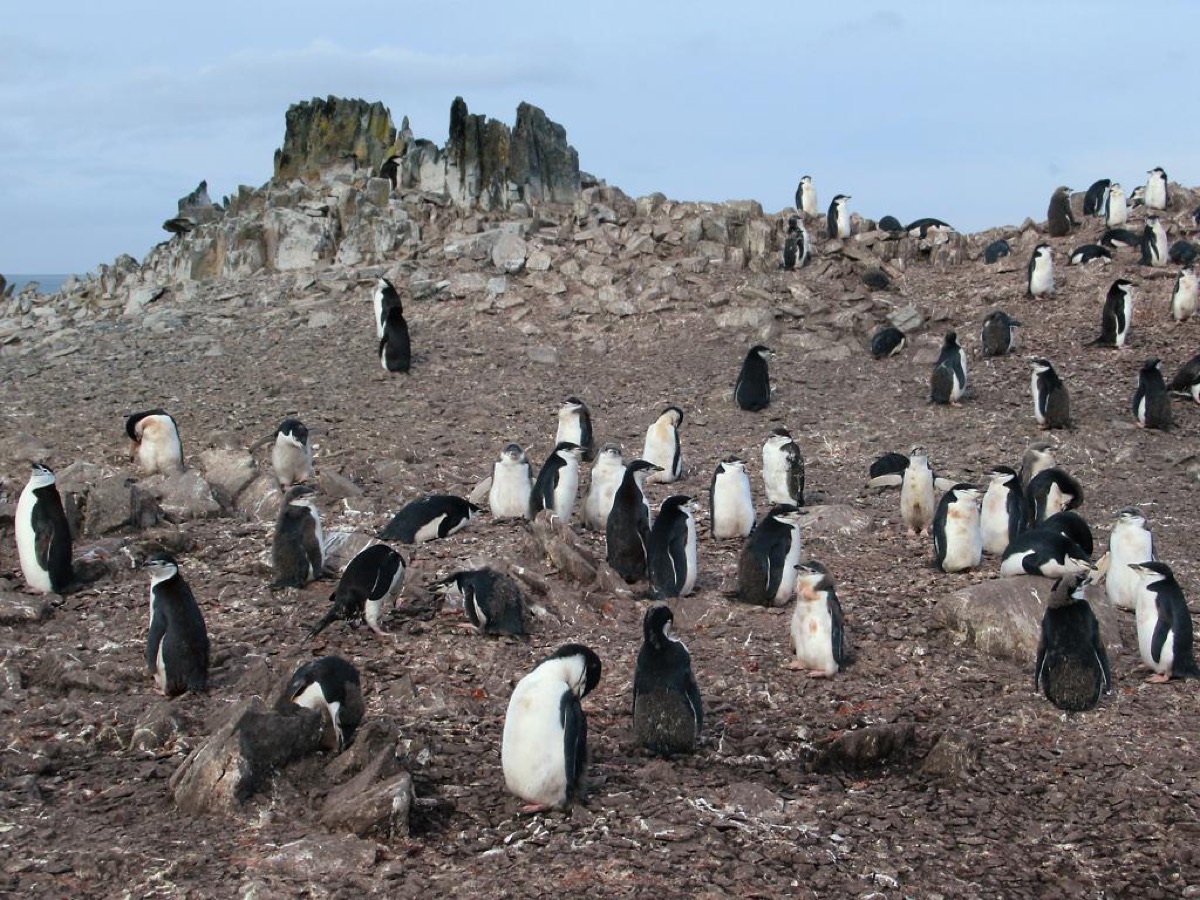 Can sleep be useful if it only lasts four seconds at a time?antarctica
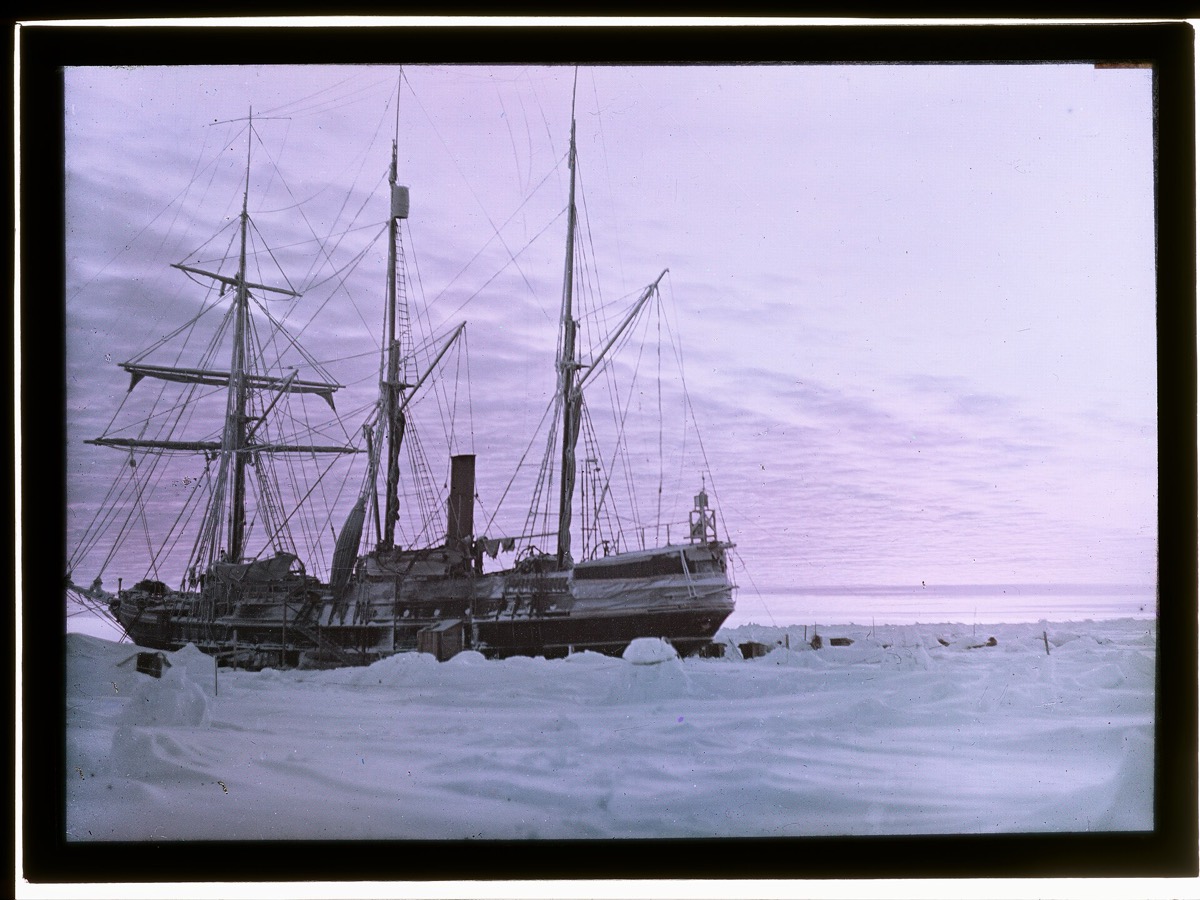 How do you find a ship that sank under moving ice a century ago?antarctica