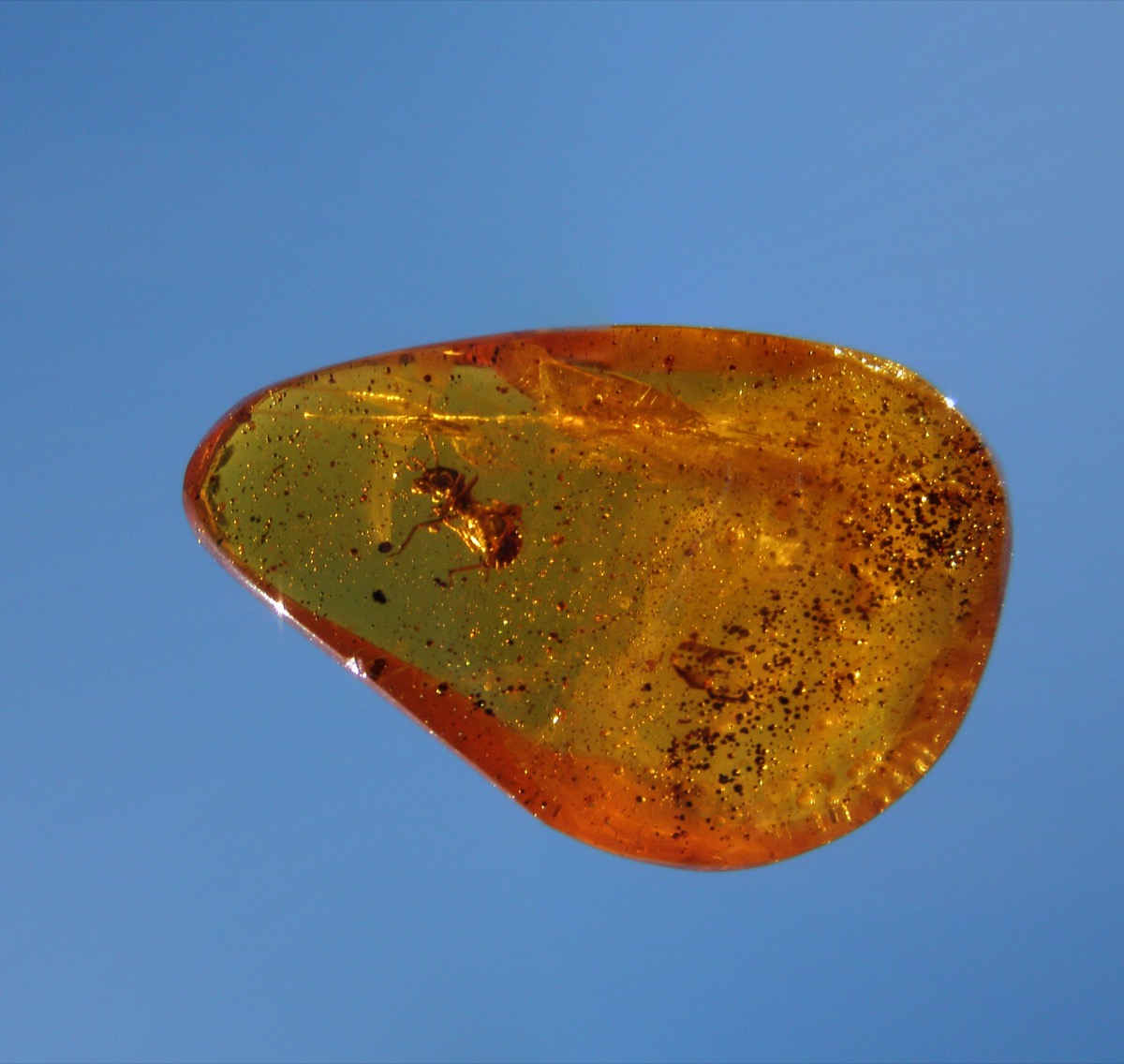
can hold the shape of an insect in astonishing detail, and from there it is a short step to assuming the DNA kept just as well. Reports of ancient genetic sequences out of amber appeared in the 1990s, and another team set out to repeat them, using bees and flies in amber and in younger resin. What did they get?
Nothing at all. Rigorous attempts to those sequences failed to detect any authentic ancient insect DNA, in the amber or in the . Preserving a shape and preserving a molecule are two different things, and DNA keeps breaking into shorter pieces whatever surrounds it. The failure to reproduce is itself the finding: on this evidence DNA does not last millions of years, even in the most promising fossil setting there is.
The premise everybody knows from the film starts with a mosquito in amber, and the logic looks direct. If the insect is intact, surely what is inside it is intact too.
That is where the plan breaks. Resin preserves the outward form in extraordinary detail, and form and molecules are different matters. DNA fragments steadily, broken by water and heat, on a clock measured in thousands of years rather than millions.
Reports of ancient sequences from amber appeared in the 1990s, and a second team went after them properly. Bees and flies from amber and from copal, several extraction and amplification methods, and controls for throughout.
They detected no authentic ancient insect DNA in any sample. The controls carry real weight, since amplification copies any fragment it finds, a researcher’s hair included, and will hand back a sequence from an empty sample. Particular specimens were tested, so nothing here forbids a short fragment surviving somewhere, and the evidence the original claim rested on is gone.
wat. Amber preserves the body of an insect far better than it preserves the DNA that was inside it.
wat wat
This is as clean a lesson in replication as science offers: an exciting result becomes knowledge only when a different laboratory can get it again.
How do we know?
Austin and colleagues tried several extraction and amplification methods on amber- and copal-preserved bees and flies, ran contamination controls alongside them, and recovered nothing that was authentically ancient.
What is still unknown
Particular insects and particular samples were tested, so this does not prove that no short fragment survives under any conditions anywhere. It does remove the evidence the original claim stood on.
Learn something?
Where to next
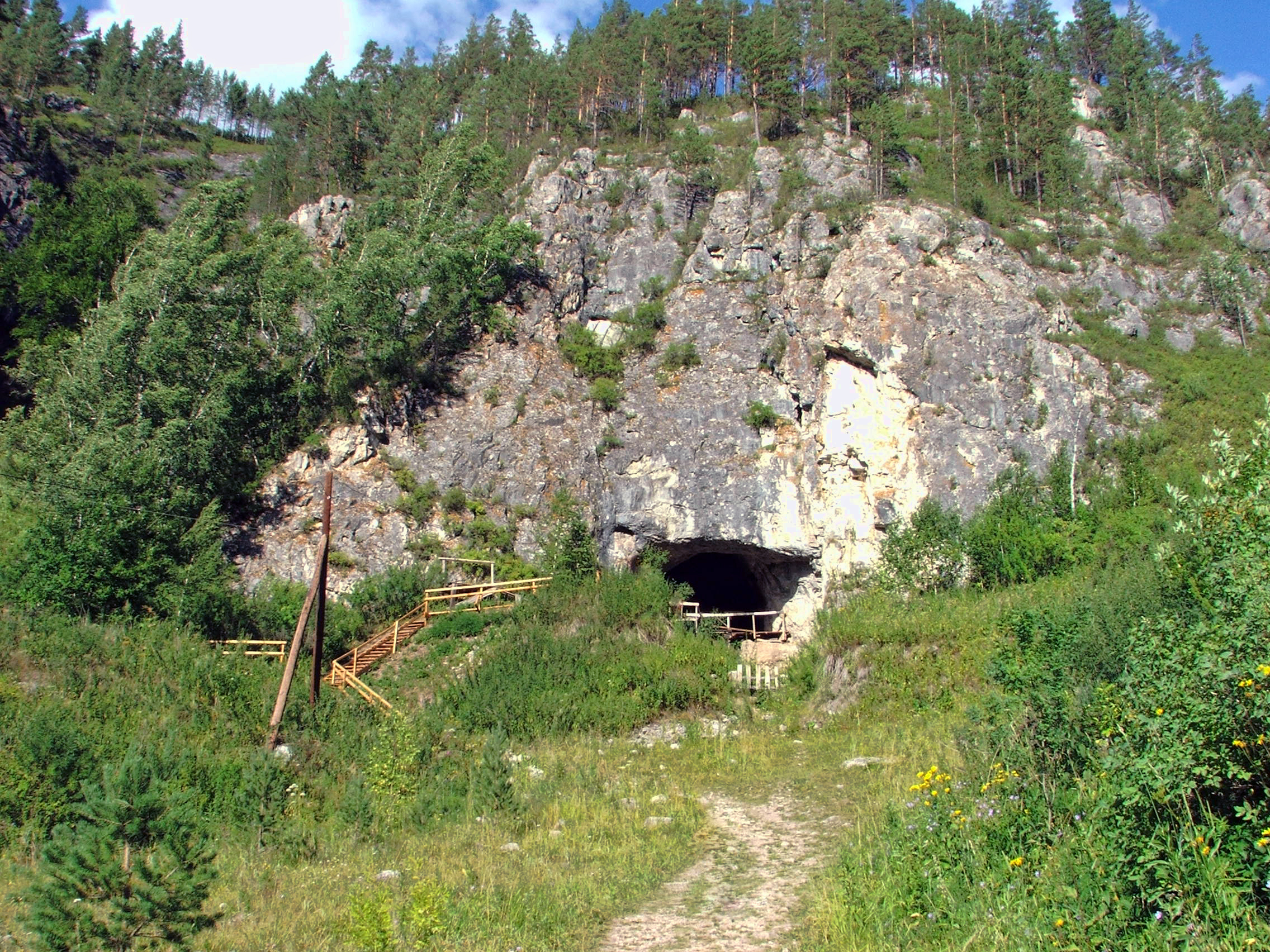 Can you tell who lived in a cave without finding a single bone there?ancient DNA
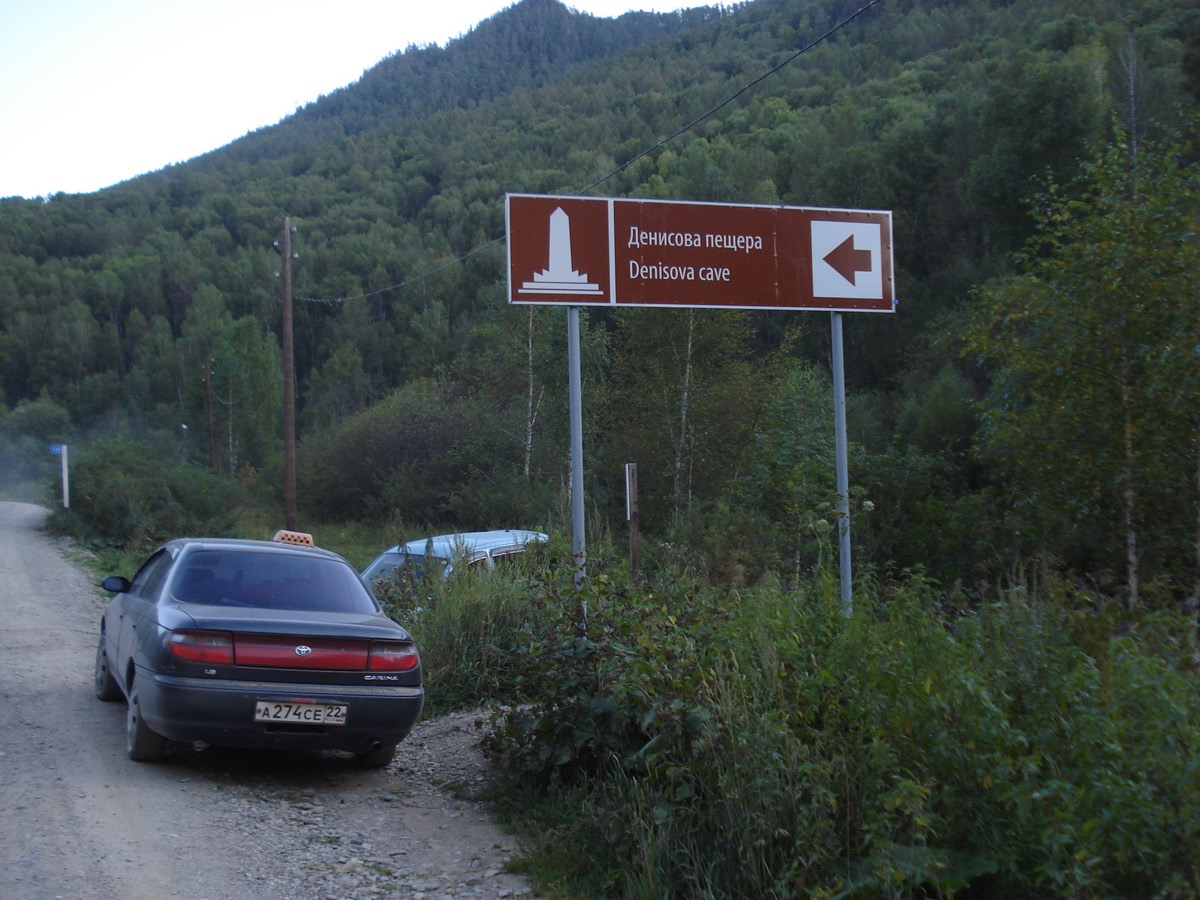 How did one finger bone reveal a branch of humanity nobody knew?ancient DNA
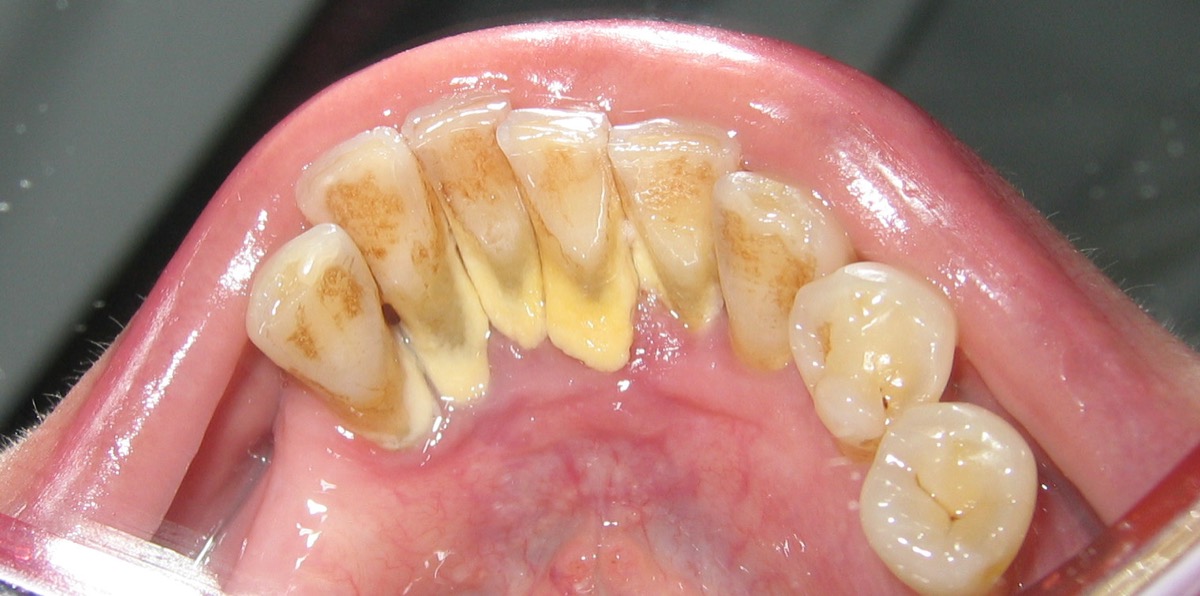 Can you tell what an ancient person ate from the DNA in their teeth?ancient DNA