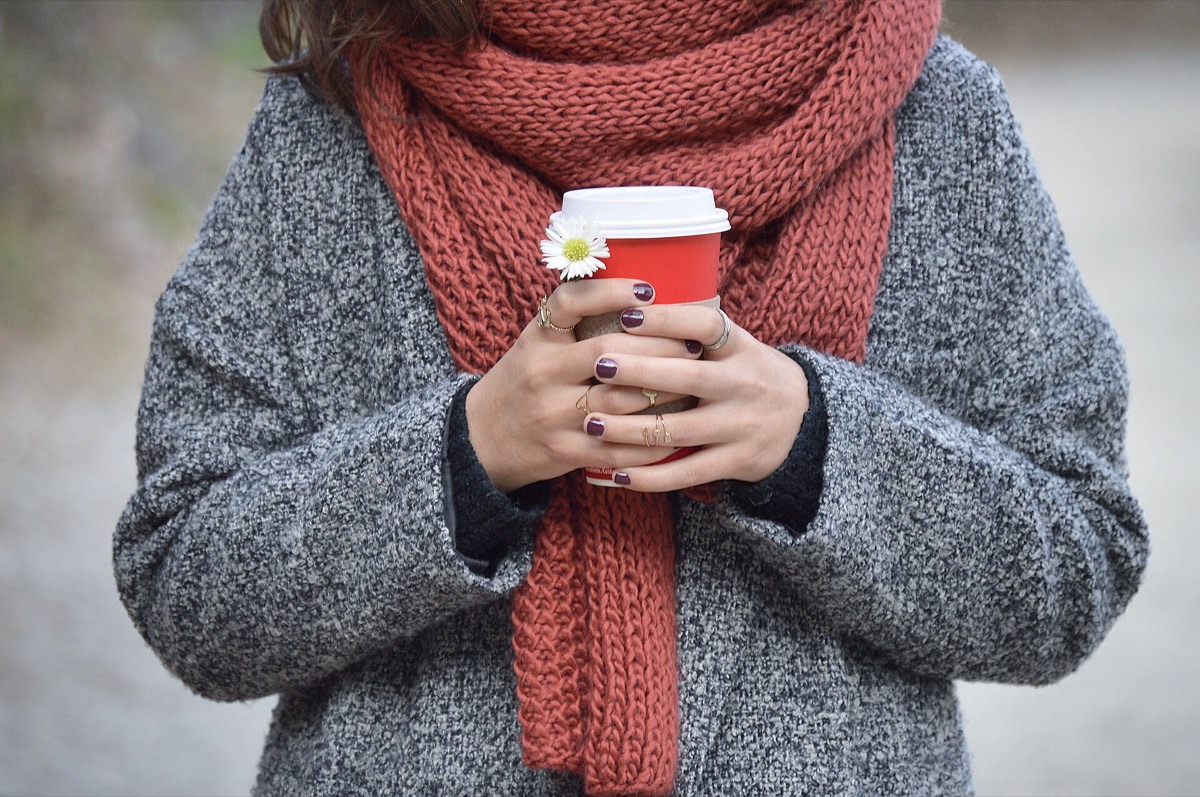
Somebody studied it properly. Jiwon Han investigated the dynamics of to find out what happens when a person walks backwards carrying a cup of coffee, and won the 2017 Ig Nobel Prize in Fluid Dynamics for it. His paper is "A Study on the Coffee Spilling Phenomena in the ". He was a high school student when he wrote it.
The framing in the title is the serious part. A low impulse regime means small, gentle disturbances rather than violent ones, which is the regime a person walking actually produces. Sloshing in a cup has natural frequencies, and the question is whether the rhythm of your stride lands near one of them.
The 2017 Ig Nobel Prize in Fluid Dynamics went to Jiwon Han, for studying the dynamics of liquid-sloshing to learn what happens when a person walks backwards while carrying a cup of coffee. Han attended the ceremony to accept it, and the committee’s note records something unusual: he was a high school student when he wrote the paper, at the in Gangwon-do.
The reference is a genuine publication, "A Study on the Coffee Spilling Phenomena in the Low Impulse Regime", which appeared in the journal . The title carries the physics. A low impulse regime is the domain of small gentle disturbances, which is what a person walking delivers to a cup.
Sloshing is a real engineering problem well outside kitchens. Liquid moving in a partly filled container has its own natural frequencies, and a driving motion near one of them pumps energy into the motion rather than damping it. Fuel tanks in aircraft and rockets are designed around exactly this, with baffles to break up the resonance.
A person carrying coffee is the same system: a container of liquid driven periodically by a stride. Whether the drink survives depends on how the frequency of the walking relates to the frequency of the sloshing, which is why changing how you walk changes the outcome. One caution about this card. It comes from the Ig Nobel citation, which the browser opened, rather than the paper, which it could not. That establishes the subject and the author, not the findings.
wat. A high school student published the fluid dynamics of carrying coffee, and won a prize for it.
wat wat
Walking is a periodic driver and a cup of liquid is an oscillator with its own frequencies. Framed that way, the question of how to carry coffee is an ordinary physics problem that happens to be useful.
How do we know?
The Ig Nobel Prize citation names the prize and year, the dynamics investigated, and the reference to Han’s paper in Achievements in the Life Sciences. It adds a note that he was then at the Korean Minjok Leadership Academy.
What is still unknown
Written from the prize citation rather than the paper, which the pane could not reach. The citation establishes the subject, the author and the venue, and does not supply the paper’s findings or the conditions under which walking backwards helped.
Learn something?
Where to next
 Why do two people walking toward each other almost never collide?ig nobel
 Can a cat be both a solid and a liquid?ig nobel
 A drop of coffee dried on the table. Why is most of the stain at the rim?coffee