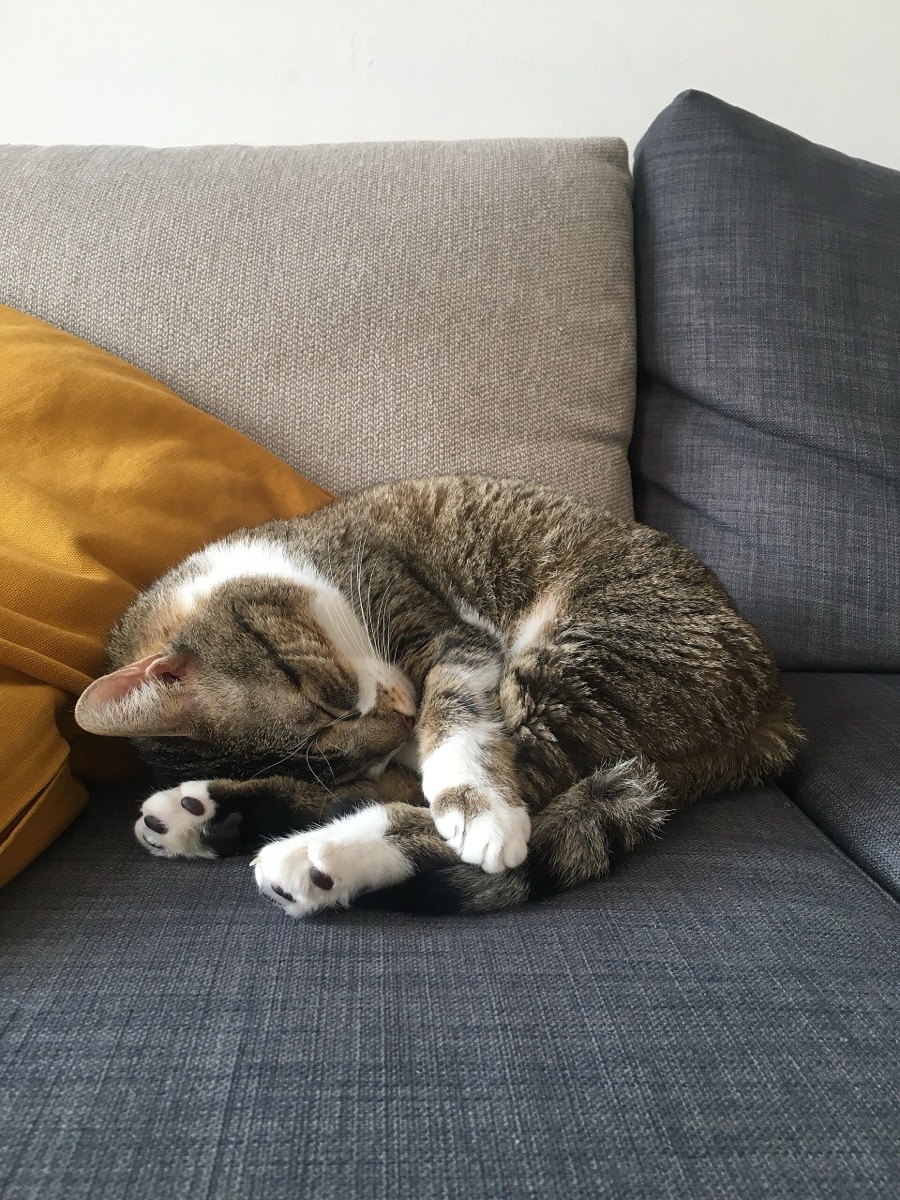
A rheologist took the question seriously enough to publish on it. Marc-Antoine Fardin used to probe whether a cat can be both, and the Ig Nobel committee gave him its 2017 Physics Prize for doing so. The paper is called "On the of Cats", and it appeared in the .
The joke has a real discipline behind it. Rheology studies how materials flow and deform, and its central idea is that whether something counts as solid or liquid depends on the timescale you watch it over. A cat poured into a sink over a few seconds is behaving one way; the same cat jumping is behaving another.
In 2017 the for Physics went to Marc-Antoine Fardin. The citation credits him with using fluid dynamics to probe whether a cat can be both a solid and a liquid. It was awarded at the Ig Nobel ceremony at Harvard’s Sanders Theatre, and Fardin attended to collect it.
The reference the committee gives is a real publication: "On the Rheology of Cats", which appeared in the Rheology Bulletin in the summer of that decade. Rheology is the study of how materials flow and deform, and it is the branch of physics that has to deal with everything refusing to be straightforwardly solid or liquid.
That is why the question is less silly than it sounds. In rheology the classification depends on the timescale of observation, compared against the time a material takes to relax and flow. Over a long enough period glass flows and glaciers flow. Over a short enough one, water will shatter. A cat settling into a box is somewhere in this territory.
The Ig Nobel criterion is research that first makes people laugh and then makes them think. The structure of this one is typical: an absurd subject attached to a real conceptual point about how physics classifies matter. One caution about this card. It comes from the prize citation, which the browser opened, rather than the bulletin article, which it could not. That establishes the question and the author rather than the argument.
wat. Whether something is a liquid depends on how long you are willing to watch it.
wat wat
The Ig Nobels reward research that makes people laugh and then think. The thinking part here is that solid and liquid are not properties of a substance but descriptions of how it responds over a given time.
How do we know?
The Ig Nobel Prize citation names the prize, the year, the question investigated and the reference: Fardin’s article in the Rheology Bulletin, volume 83, number 2, July 2014, on pages 16 to 17 and 30.
What is still unknown
This card is written from the prize citation rather than from the article, which the pane could not open. The citation establishes the question, the author and the venue, and not the content of the argument.
Learn something?
Where to next
 The cat does not come when called. Does it at least know its name?cats
 Why do two people walking toward each other almost never collide?ig nobel
 Does your cat know your voice, and would it show you if it did?cats