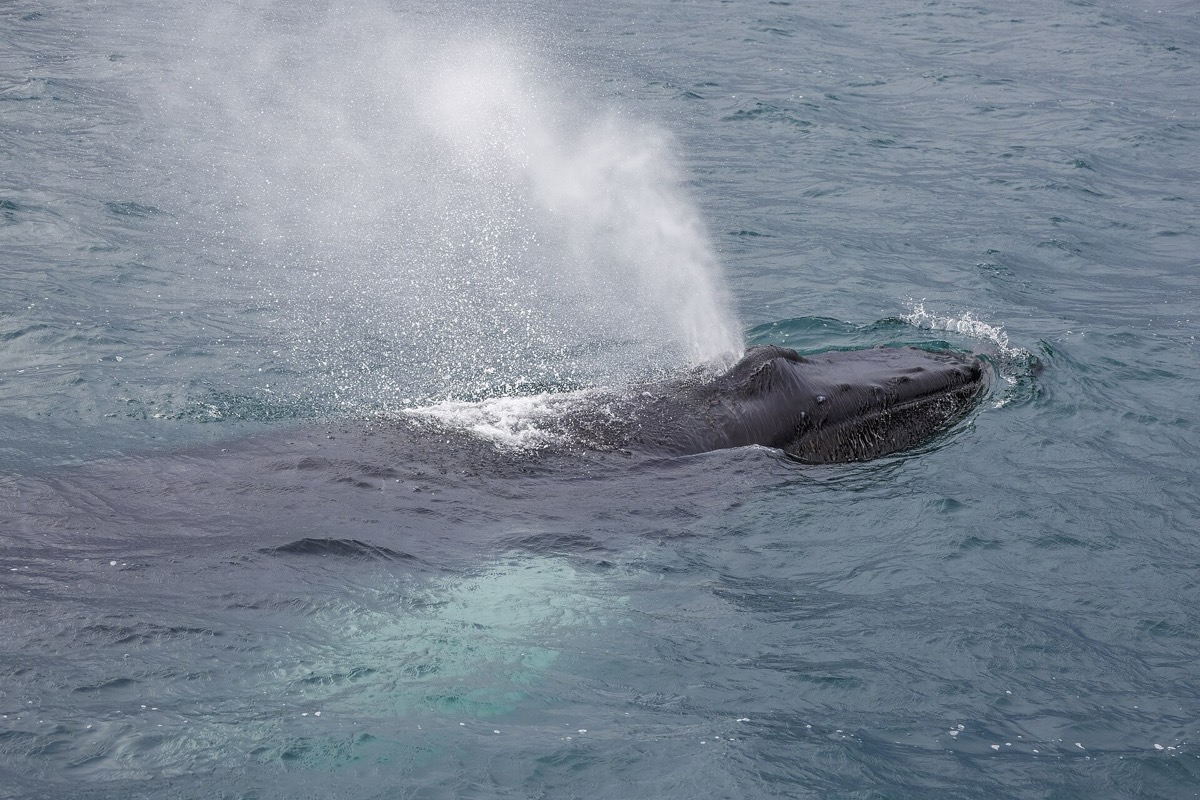
Microbes, zooplankton and fish are well known as sources of recycled nitrogen in coastal waters. Marine mammals have largely been ignored or dismissed in that cycle, which is a reasonable default for animals that are large, scarce and hard to count. Counting them changes the answer.
They carry nitrogen upward. Releasing flocculent near the surface, whales and seals concentrate nitrogen in the lit layer where plants can use it. In the Gulf of Maine they may replenish 23,000 metric tons of nitrogen a year in the , more than all the rivers combined.
It is well known that microbes, zooplankton and fish are important sources of recycled nitrogen in coastal waters. Marine mammals have largely been ignored or dismissed in this cycle, and that omission is what the paper sets out to test.
The mechanism is specific. Marine mammals can enhance primary productivity in their feeding areas by concentrating nitrogen near the surface through the release of flocculent fecal plumes, which keeps the nutrient in the layer where photosynthesis happens.
The number is the striking part. Whales and seals may be responsible for replenishing 23,000 metric tons of nitrogen a year in the Gulf of Maine’s euphotic zone, which is more than the input of all rivers combined.
And that is the diminished version. This upward played a much larger role before , when marine mammal recycling of nitrogen was likely more than three times the atmospheric input. What is measured today is what survived the hunting.
wat. Whales and seals move more nitrogen into the Gulf of Maine’s sunlit layer than its rivers do.
wat wat
It makes whales part of the machinery of ocean productivity rather than passengers on it, and it puts a number on what whaling removed.
How do we know?
Roman and McCarthy combined field measurements of the plumes with population data for the region, then compared the resulting nitrogen flux against the riverine and atmospheric inputs.
What is still unknown
One coastal basin, with the historical figure reconstructed from population estimates rather than measured.
Learn something?
Where to next
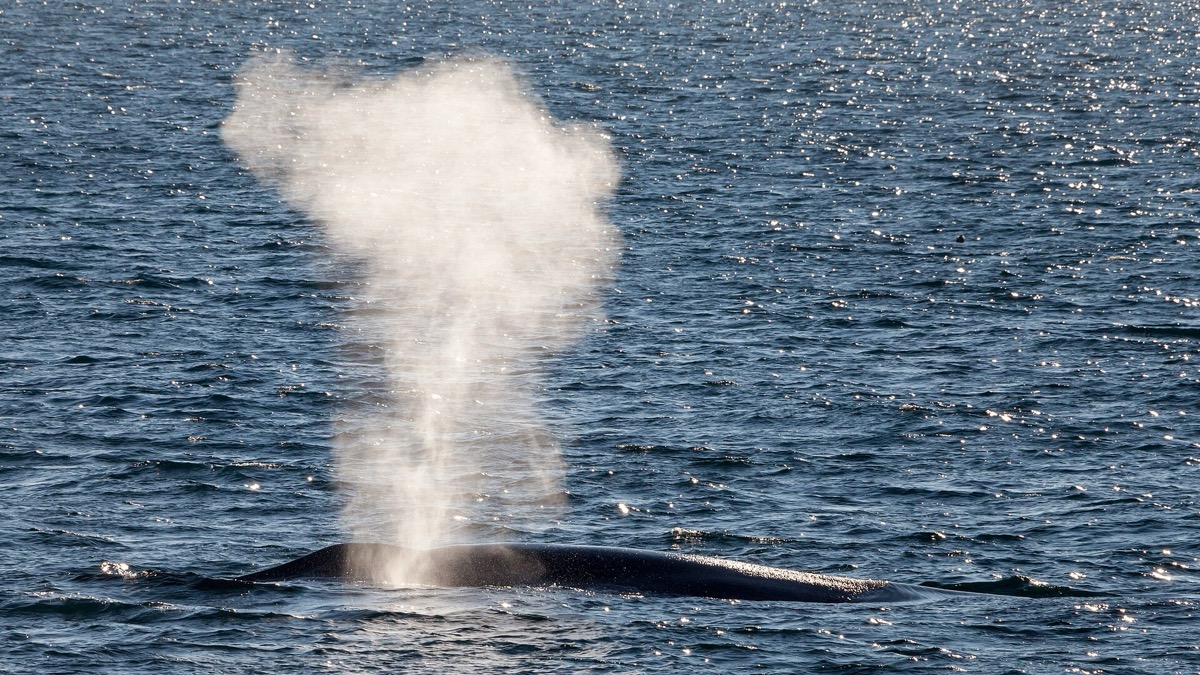 How slowly can the largest heart on earth beat?whales
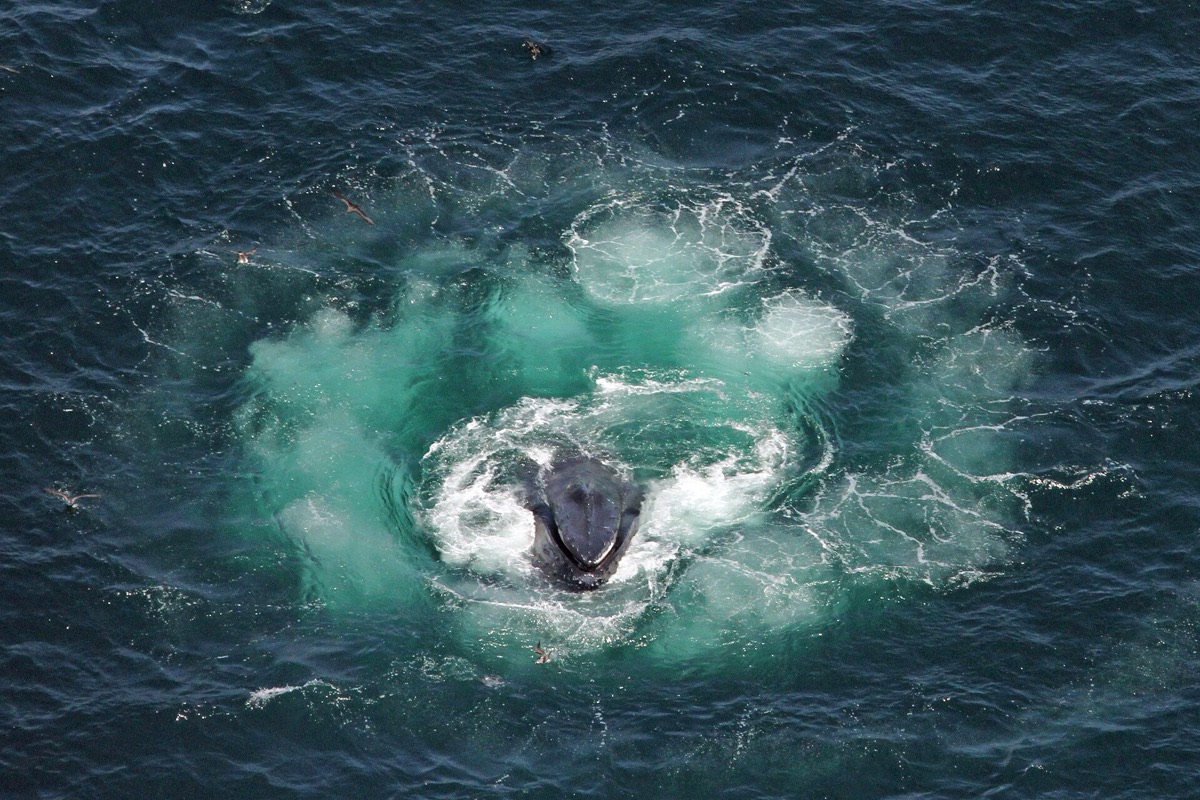 Is a whale blowing a ring of bubbles making a tool?whales
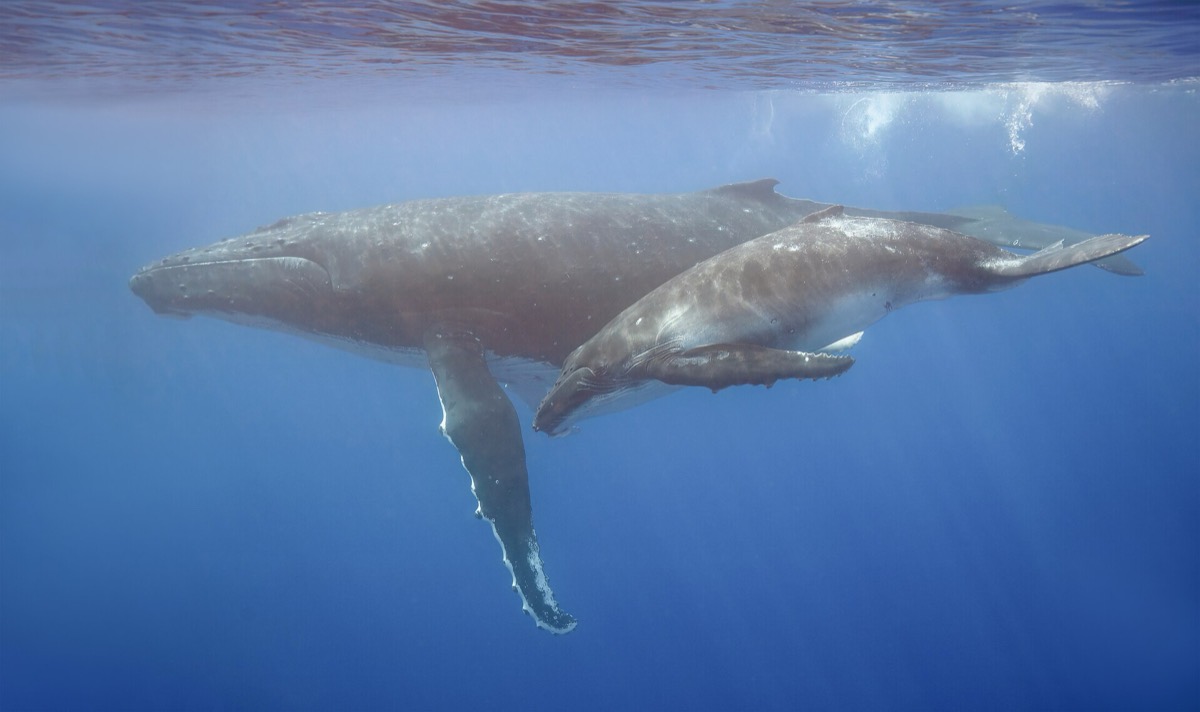 How does a new whale song cross an ocean?whales