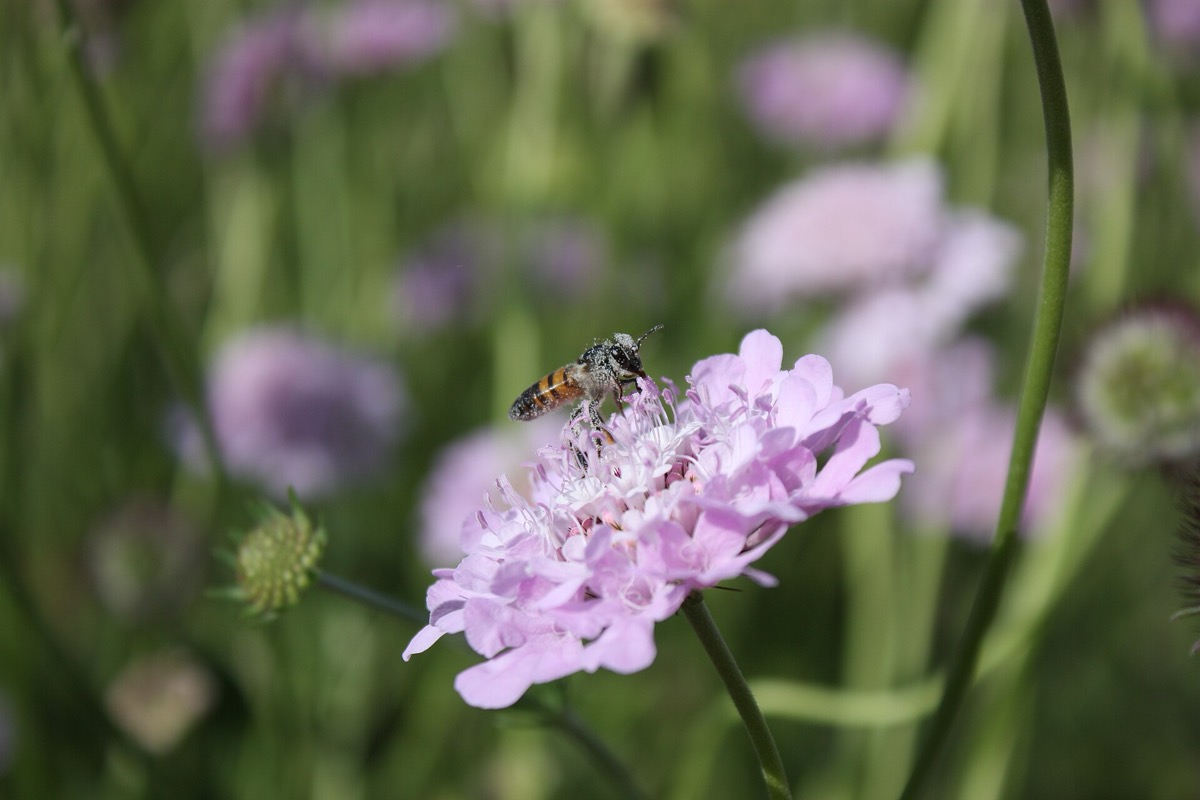
Warming is expected to disrupt plant and pollinator partnerships, either by pushing their calendars out of step or by changing the traits that decide whether an interaction is worth having. Studies so far have manipulated one partner, or looked at timing or traits but not both. So whole communities were assembled, three annual plants and a , before flowering and emergence, and then warmed through spring.
The plants moved and the bee did not. Warming advanced community-level flowering onset, peak and end, while leaving bee emergence unchanged. Warmed plants also produced fewer and smaller flowers with less nectar, more concentrated, which reduced their attractiveness, and warmed bees foraged more generally, which reduced their effectiveness. Interactions became less frequent and shorter, and the plants set fewer, lighter seeds.
Climate change may disrupt plant and pollinator mutualisms in two ways: by generating phenological asynchronies, where the partners’ calendars drift apart, and by altering the traits that shape the costs and benefits of an interaction. Existing knowledge is limited to studies that manipulate only one partner, or that focus on timing or on traits but not both.
This experiment did both at once. Communities of three annual plants and a solitary bee were assembled before flowering and before bee emergence, so that springtime warming could act on the whole system from the start. Its effects on , traits, interactions and reproductive output could then all be followed.
Warming advanced community-level flowering onset, peak and end, and did not alter bee emergence at all. That is the asynchrony, and it is as stark as the mechanism allows. Alongside it, warmed plant communities produced fewer and smaller flowers with less, , reducing their attractiveness, while warmed bees were more generalized in their foraging, reducing their effectiveness.
The interactions followed. Plant and bee encounters were less frequent, shorter, and peaked earlier under warming, and as a result warmed plants produced fewer, lighter seeds, which the authors identify as fitness costs. They conclude that climate change will perturb these mutualisms, with wide-ranging effects on both partners. Note the system: assembled communities of three plant species and one bee, which shows a mechanism rather than forecasting a meadow.
wat. Warming pulled the flowering earlier and left the bee on its old schedule, and the plants ended the season with fewer, lighter seeds.
wat wat
It catches the failure at several points at once. Timing, flower quality and bee behavior each degraded, and the fitness cost showed up in the seeds, which is the currency that matters.
How do we know?
De Manincor, Fisogni and Rafferty assembled experimental communities of three annual plants and a solitary bee before flowering and emergence, then tested how springtime warming affected phenologies, traits, interactions and reproductive output.
What is still unknown
Assembled experimental communities of three plant species and one bee species, not a field ecosystem. A simplified community can show a mechanism and cannot predict what a real meadow does.
Learn something?
Where to next
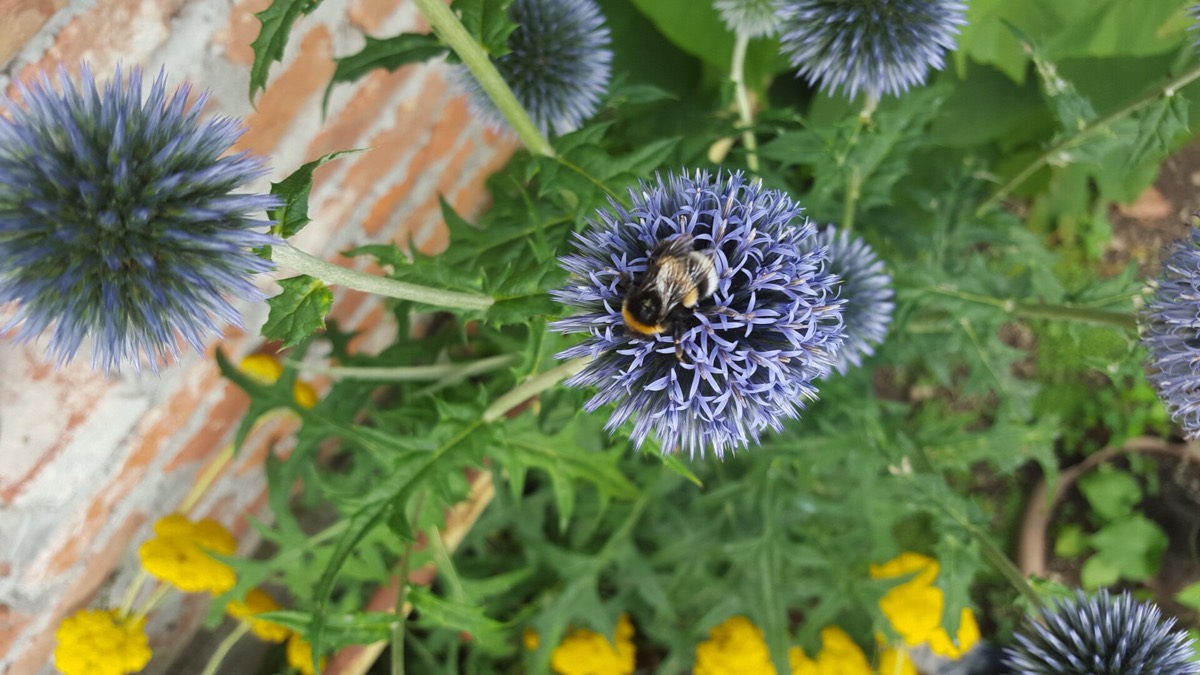 What can a bumblebee learn but never invent on its own?bees
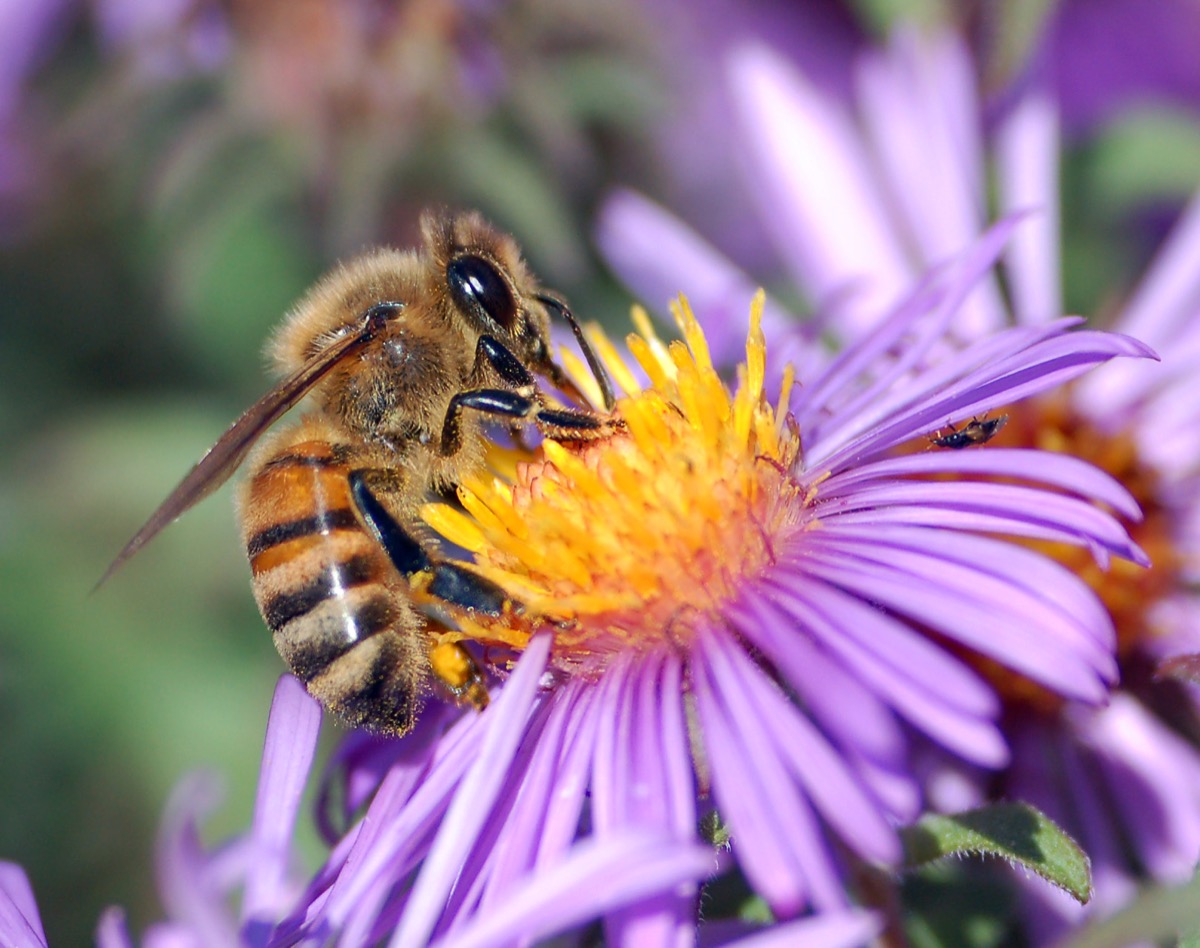 A bee sees a blank card. Is it, to the bee, less than one?bees
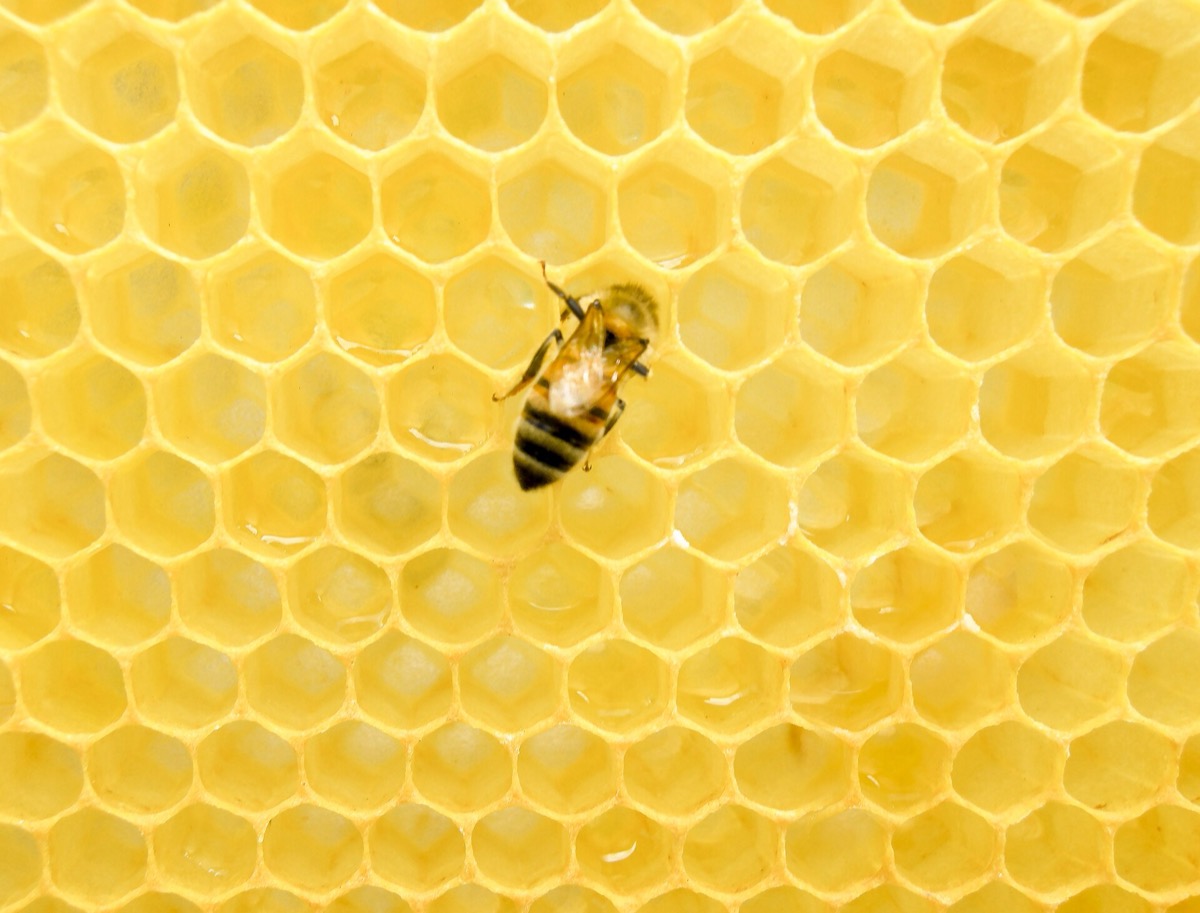 Is the hexagon really the best way to divide up a surface?bees