
Vacations appear to have strong but short-lived effects on health and wellbeing, and the research has mostly looked at short breaks. The obvious thought is that a longer one would hold better. De Bloom, Geurts and Kompier followed employees through summer vacations averaging twenty-three days, measuring before, during and repeatedly afterward. How long did it hold?
Not long. Health and wellbeing rose quickly once the vacation started and peaked on the eighth day. Within the first week back at work it had returned to . Vacation duration was only weakly related to the size of the change, and so were most vacation activities, which is an uncomfortable result for anyone budgeting time off by length.
Most vacations seem to have strong but rather short-lived effects on health and wellbeing. What had gone unexamined was the recovery potential of relatively long vacations, and the psychological processes behind it, so this study took breaks longer than fourteen days as its subject.
Fifty-four employees took part, with vacations lasting twenty-three days on average. They reported health and wellbeing before the vacation, three or four times during it, and five times after. Information on vacation experiences, work-related activities and sleep was gathered during the break, and the activities themselves were assessed immediately after.
The curve is the finding. Health and wellbeing increased quickly during the vacation and peaked on the eighth vacation day, then returned rapidly to baseline level within the first week of work resumption. Vacation duration and most vacation activities turned out only weakly associated with the changes during and after.
What did predict them was the texture of the time. Engagement in , , pleasure derived from activities, relaxation, and sleep all showed strong relations with improved health and wellbeing during the vacation, and weaker ones afterward. The authors conclude that experiences, especially pleasure, relaxation, savoring and control, matter most for how strong the effect is and how long it persists.
wat. The peak came on day eight and was gone within a week of going back. What lasted depended on how the days felt, not how many there were.
wat wat
What predicted the size and persistence of the effect was not how long people went away but what the time felt like: pleasure, relaxation, savoring and a sense of control.
How do we know?
Fifty-four employees reported health and wellbeing before vacation, three or four times during it and five times after, with information on experiences, work-related activities and sleep collected during the vacation itself.
What is still unknown
Fifty-four employees, self-reporting throughout, on one long summer vacation each. The associations with experiences are correlational, so a good vacation and a well-rested person are hard to separate here.
Learn something?
Where to next
 Who gets less out of the same holiday?vacation
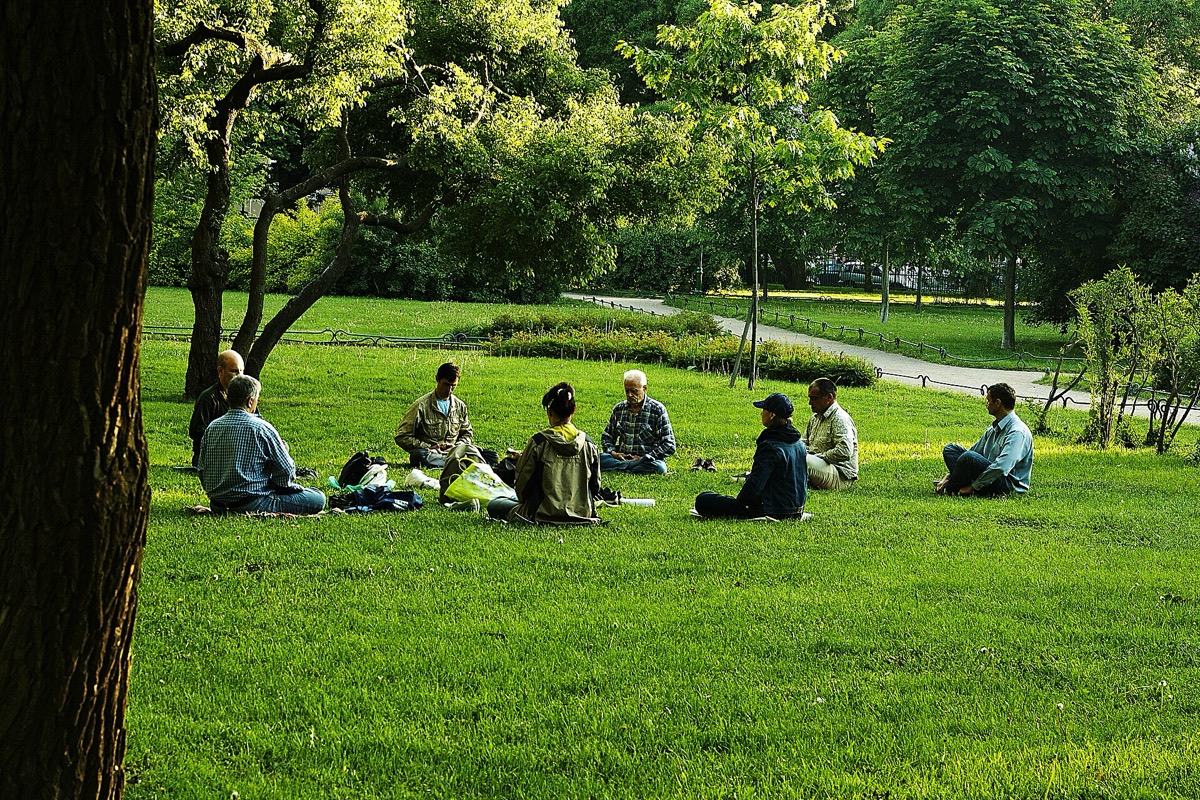 Does a vacation with meditation in it leave anything behind once you are home?vacation
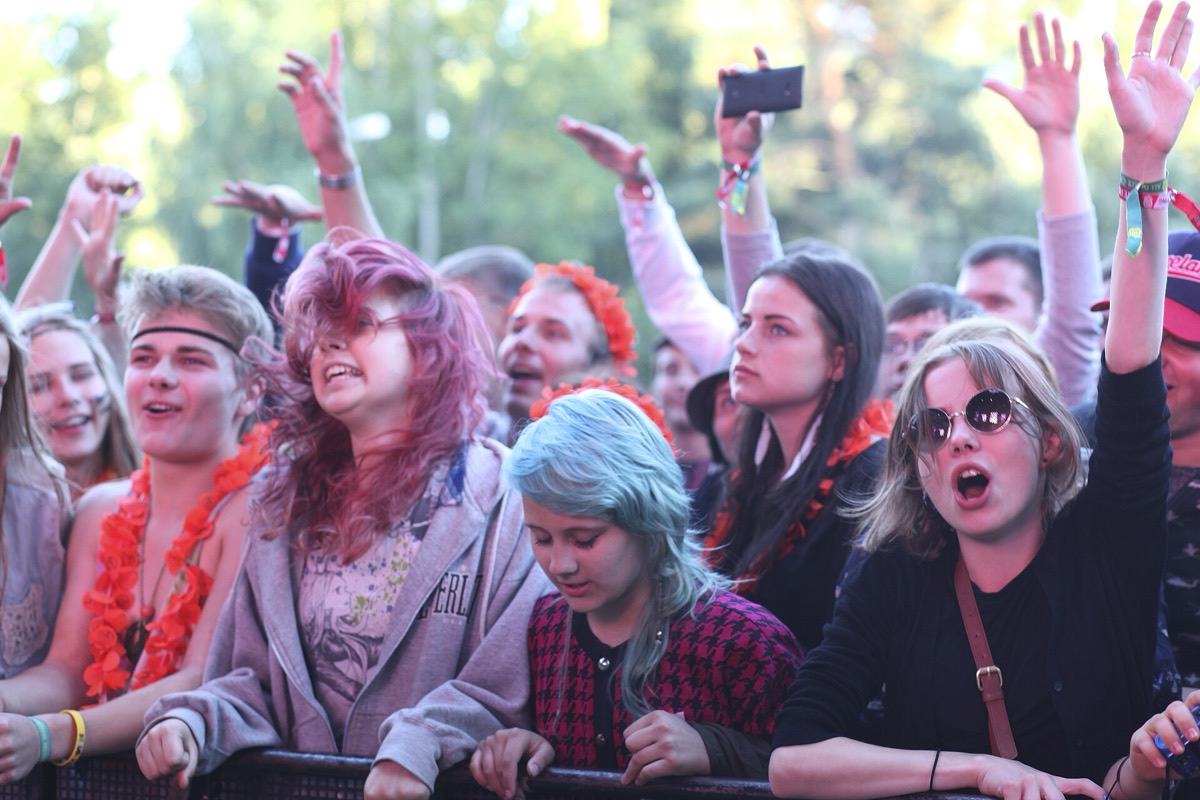 Why does telling a festival story together change the memory of it?wellbeing