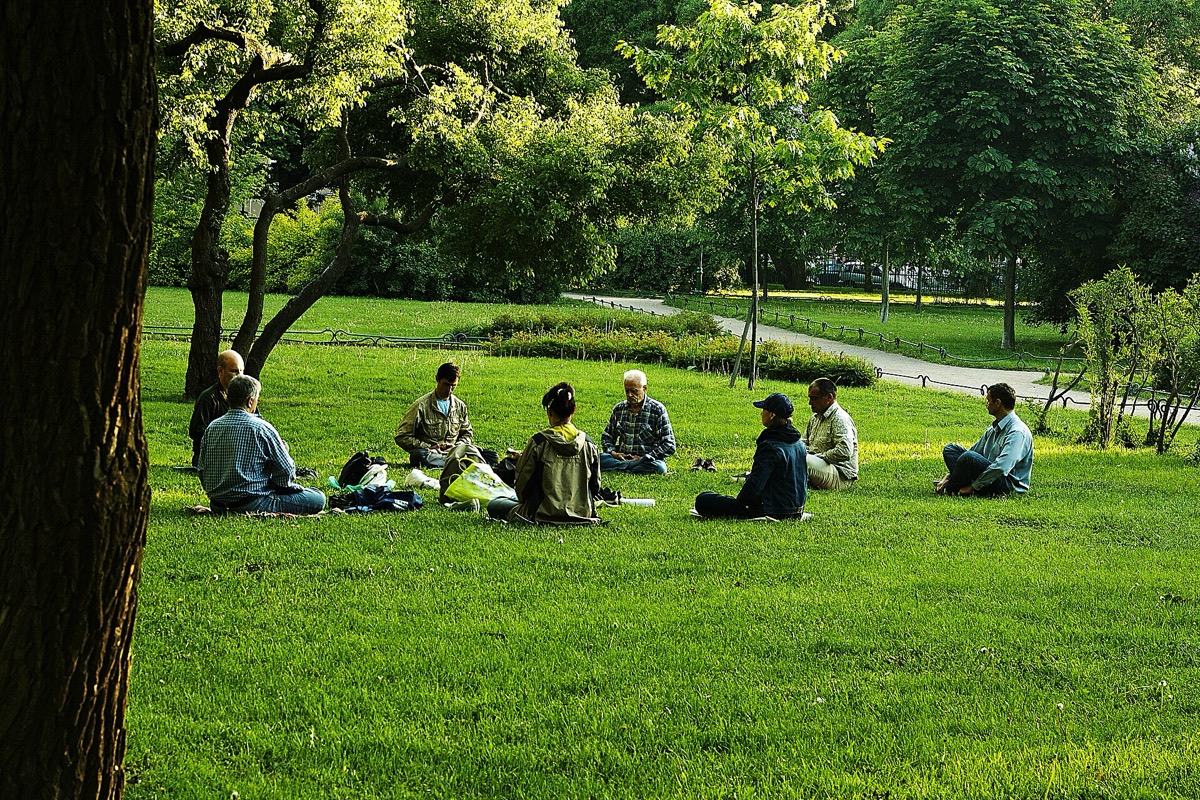
The freshness of an ordinary holiday is well documented, and so is how fast it fades. This study followed 120 people who already meditated: some took a plain vacation, some practiced during theirs, and others went on an intensive . What was left ten weeks afterwards?
The gap only opened later. Ten days after getting back there was almost nothing between the groups, apart from a rise in among those who had practiced. Ten weeks after, both meditation groups reported more mindfulness, less fatigue and higher than the ordinary vacation did. People picked their own holiday, so this is an association rather than an effect.
That a holiday improves well-being is well established, and so is the short life of the improvement. The question here was whether practicing meditation during the break makes the gain last, or whether it takes a stay devoted to practice entirely.
The researchers measured fatigue, mindfulness and well-being at three points, ten days before, ten days after and ten weeks after, in 120 people already accustomed to meditating. Three kinds of stay were compared: a plain vacation, a vacation with some practice, and a retreat.
Ten days after the return the groups looked much alike, except that mindfulness had risen where people had practiced. By ten weeks, both meditation groups reported lower fatigue and higher well-being as well, against the ordinary holiday.
The participants chose their own stay, which is the weakness of the . Whoever picks a retreat may differ from the rest beforehand, and such a person often keeps the practice going at home. Either of those would produce this pattern without the holiday doing any of the work. The finding concerns how long an effect is perceived to last, and it is not a verdict that an ordinary vacation is useless.
wat. Among experienced practitioners, a holiday with meditation in it went with well-being that lasted longer.
wat wat
A holiday can be judged by what survives the return to routine, and not only by how it feels while it lasts.
How do we know?
Blasche and colleagues gave the same questionnaires on fatigue, well-being and mindfulness ten days before a stay, ten days after it and ten weeks after it, in a naturalistic observational design.
What is still unknown
Nobody was assigned at random, and every participant was already used to meditating. A short practice has not been shown to do the same for a beginner.
Learn something?
Where to next
 How long does the good of a long holiday last once you are back?vacation
 Who gets less out of the same holiday?vacation
 Does feeling understood by your partner change how you feel ten years later?well-being