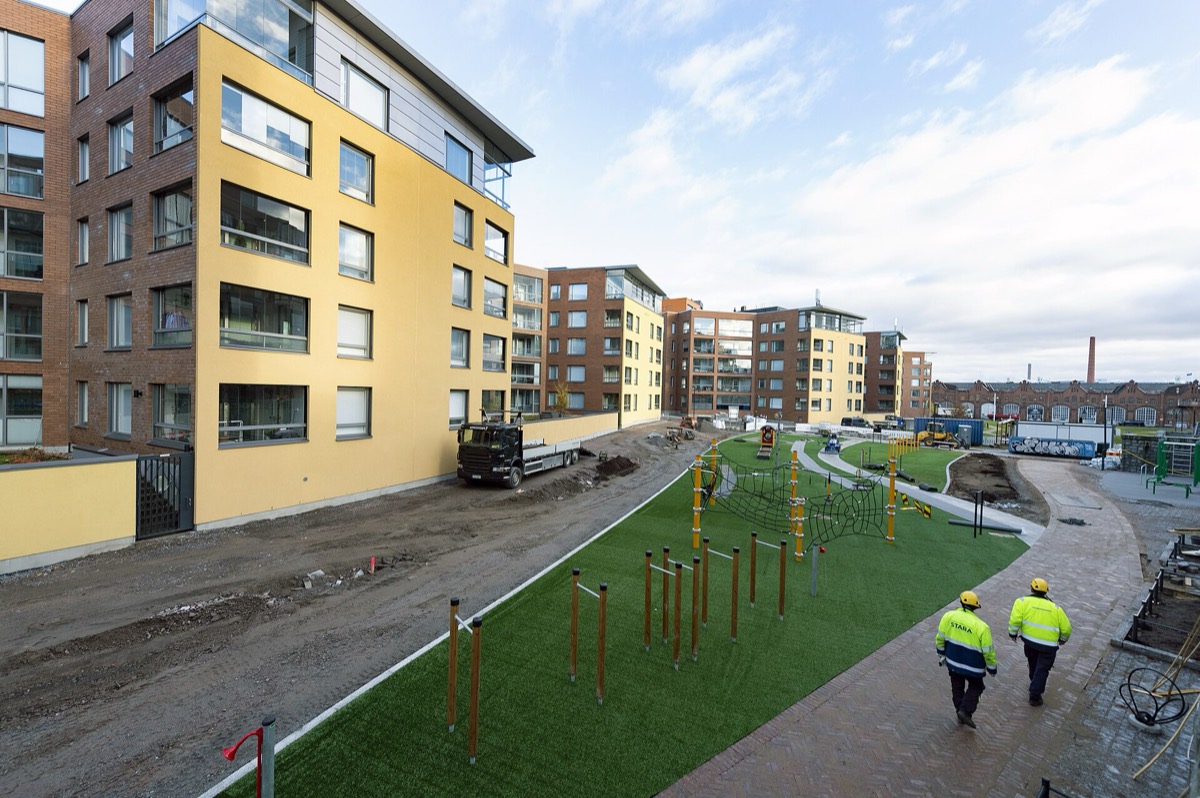
Everyone says half an hour in nature is calming, but is that a feeling or something you can measure in the body? 83 women walked in a city center, in a park and in an urban forest, with both mood and recorded each time. What came out of each of the two measures?
The feeling moved and the blood pressure did not. In three places in Helsinki, a built park, an urban forest and a city center, each woman sat for 15 minutes and walked for 30. In this the green environment improved a sense of and restoration, while blood pressure did not differ between the places. People who prefer nature and people responded differently.
The design is what sets this work apart. Each of the eighty-three participants visited all three environments, a city center, a built park and an urban forest, sitting for fifteen minutes and walking for thirty at each. So every woman serves as her own comparison, and the differences between people shrink.
The result splits into two halves, and that is what makes it interesting. The green environment improved a sense of vitality and restoration relative to the city center, in the designed park as well as in the forest. Blood pressure, by contrast, did not differ between the places.
That absence matters precisely because it blocks a broader claim. You can say half an hour in a park improves mood, and you cannot say on the strength of this work that it improves the body’s numbers. It is also unsurprising: blood pressure shifts minute by minute, and one reading after a short walk summarizes nothing.
The further finding is that the same environment does not work the same way on everyone. People who prefer nature and people sensitive to noise responded differently, which suggests urban planning should offer a variety of places rather than one perfect park. And the limits: healthy women aged thirty to sixty-one in one city, on short visits.
wat. The green improved a felt sense of restoration, and it did not lower blood pressure in this short experiment.
wat wat
An improvement in how someone feels can be real even when one bodily measure does not change; the two must not be swapped for each other.
How do we know?
Each participant experienced all three environments in a planned order, with psychological measures and blood pressure taken before and after.
What is still unknown
The sample was healthy women aged 30 to 61 in one city, and the visits were short.
Learn something?
Where to next
 How much greenery in a neighborhood is linked to less mental distress?city
 If you dig a buried city stream back out, does anything move into it?city
 Does the shade in a city follow the money or the demographics?city