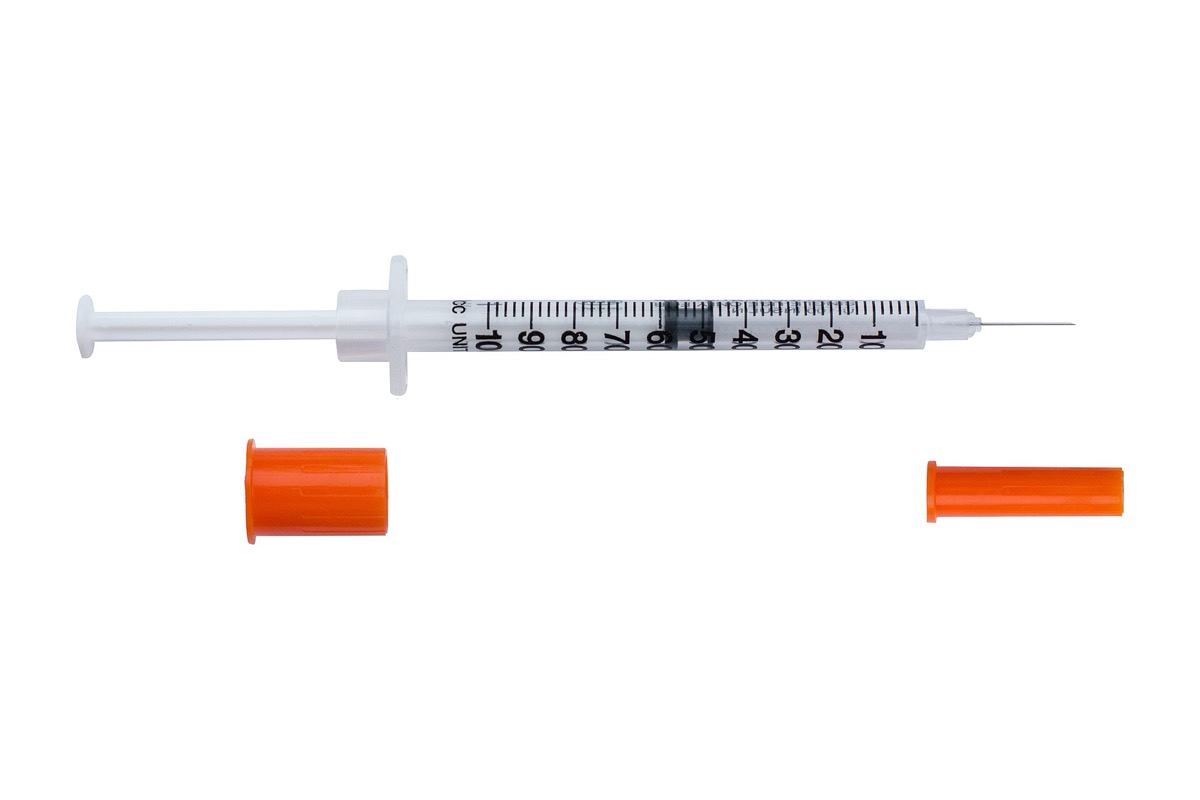
works when it is taken, and among cisgender women the gaps in uptake, adherence and persistence are wide enough to undo it. An injection every 26 weeks removes the daily decision entirely. So a phase 3 trial in South Africa and Uganda randomized 5,338 adolescent girls and young women to subcutaneous lenacapavir or one of two daily oral regimens. How many infections?
None at all in the injection group. Among 2,134 participants on twice-yearly lenacapavir there were zero HIV infections. There were 39 among 2,136 on daily oral F/TAF, a rate of 2.02 , and 16 among 1,068 on daily oral F/TDF, 1.69 per 100 person-years. in the screened population was 2.41 per 100 person-years, so lenacapavir came in significantly below it.
Preexposure prophylaxis for HIV is effective and conditional, in that it protects only while it is being taken. Among cisgender women there are persistent gaps in uptake, adherence and persistence, which is where a long-acting option changes the arithmetic. Lenacapavir is given subcutaneously every 26 weeks.
The trial was phase 3, double-blind and randomized, involving adolescent girls and young women in South Africa and Uganda. Participants were assigned in a two to two to one ratio to subcutaneous lenacapavir, daily oral emtricitabine-tenofovir alafenamide, or daily oral emtricitabine-tenofovir disoproxil fumarate as an . Everyone also received the alternate placebo, oral or subcutaneous, to keep the blinding intact.
Among 5,338 participants who were initially HIV-negative, the trial recorded 55 incident infections. Zero of them occurred among the 2,134 participants taking lenacapavir. There were 39 among the 2,136 on F/TAF, at 2.02 per 100 person-years, and 16 among the 1,068 on F/TDF, at 1.69 per 100 person-years.
Efficacy was assessed against the estimated background incidence in the screened population of 8,094 people, which ran at 2.41 per 100 person-years. HIV incidence with lenacapavir was significantly lower than that background rate and lower than incidence with F/TDF. Note what carries the comparison: an estimated background rate rather than a placebo arm, which is the ethical design and a softer benchmark than a randomized placebo would be.
wat. Two injections a year, two thousand young women, and not one HIV infection, in a setting where background incidence ran above two percent a year.
wat wat
A zero in a group of two thousand people in a high-incidence setting is as clean a prevention result as this field produces. It also targets the population where oral prophylaxis has most consistently failed in practice.
How do we know?
Bekker and colleagues ran a phase 3, double-blind, randomized, controlled trial in South Africa and Uganda. Participants were assigned two to two to one to subcutaneous lenacapavir every 26 weeks, daily oral F/TAF, or daily oral F/TDF as active control.
What is still unknown
Efficacy was judged against an estimated background incidence in the screened population rather than a placebo arm, which is the ethical choice and a weaker comparison. Two years of follow-up says nothing about a decade of injections.
Learn something?
Where to next
 Can a regular warm-up prevent almost four in every ten injuries?prevention
 Which part of a warm-up actually prevents injuries?prevention