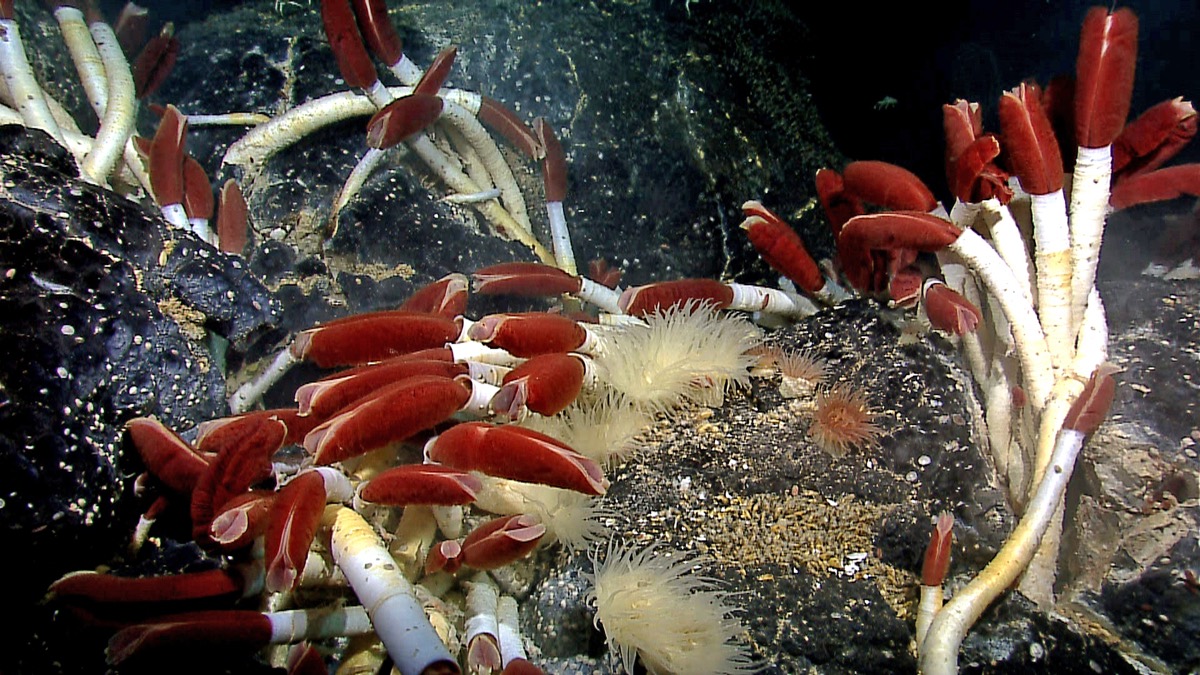
The tubeworm Riftia pachyptila has no gut and is fed entirely by bacteria living inside it, picked up from seawater by the settled larva rather than inherited from a parent. That arrangement needs a free-living population out there to be picked up from. Nobody had shown the bacteria ever getting back out. Klose and colleagues tested what happens when the host dies. Do they escape?
They are released, alive. Viable symbionts come out of the host upon its death, which closes a loop that had only been assumed. Observations of tubeworm clumps turning over after a volcanic eruption supply the other half: rapid colonization, growth and death at a vent. Host-associated and free-living symbiont populations are therefore connected, which is what keeps the mutualism stable over ecological and evolutionary time.
Riftia pachyptila is a giant tubeworm at hydrothermal vents, and it is nourished entirely by living inside its tissue. The adult has no mouth and no gut; the bacteria do the eating, using chemical energy from sulfide in the vent fluid.
The partnership is rebuilt from scratch each generation. Symbionts are acquired , taken up from the environment by settled larvae rather than inherited, which means a free-living population has to exist out in the water for a young worm to find. For any facultative symbiont transmitted that way, cycles of infection and escape are what keep the arrangement going across generations.
Escape was the missing half. Infection had been established, release back into the environment had not, so the reservoir the whole system depends on had no known source.
Klose and colleagues showed experimentally that viable symbionts are released when the host dies. Alongside that, observations of tubeworm clumps after a volcanic eruption document rapid colonization, growth and death at a vent, which is the cycle running at speed. The connectivity between host-associated and free-living symbiont populations helps explain why this mutualism has stayed stable over both ecological and evolutionary timescales.
wat. The bacteria do not go down with the worm. They leave it, and the next generation of worms picks them up.
wat wat
A partnership reacquired from scratch every generation needs a reservoir, and a reservoir needs refilling. The death of the host turns out to be the step that does it.
How do we know?
Klose and colleagues experimentally showed that viable symbionts are released when Riftia pachyptila dies, and tracked the turnover of tubeworm clumps at vents following a volcanic eruption.
What is still unknown
Release on death is shown experimentally; the contribution it makes to the free-living population in the field is inferred from clump turnover rather than measured directly.
Learn something?
Where to next
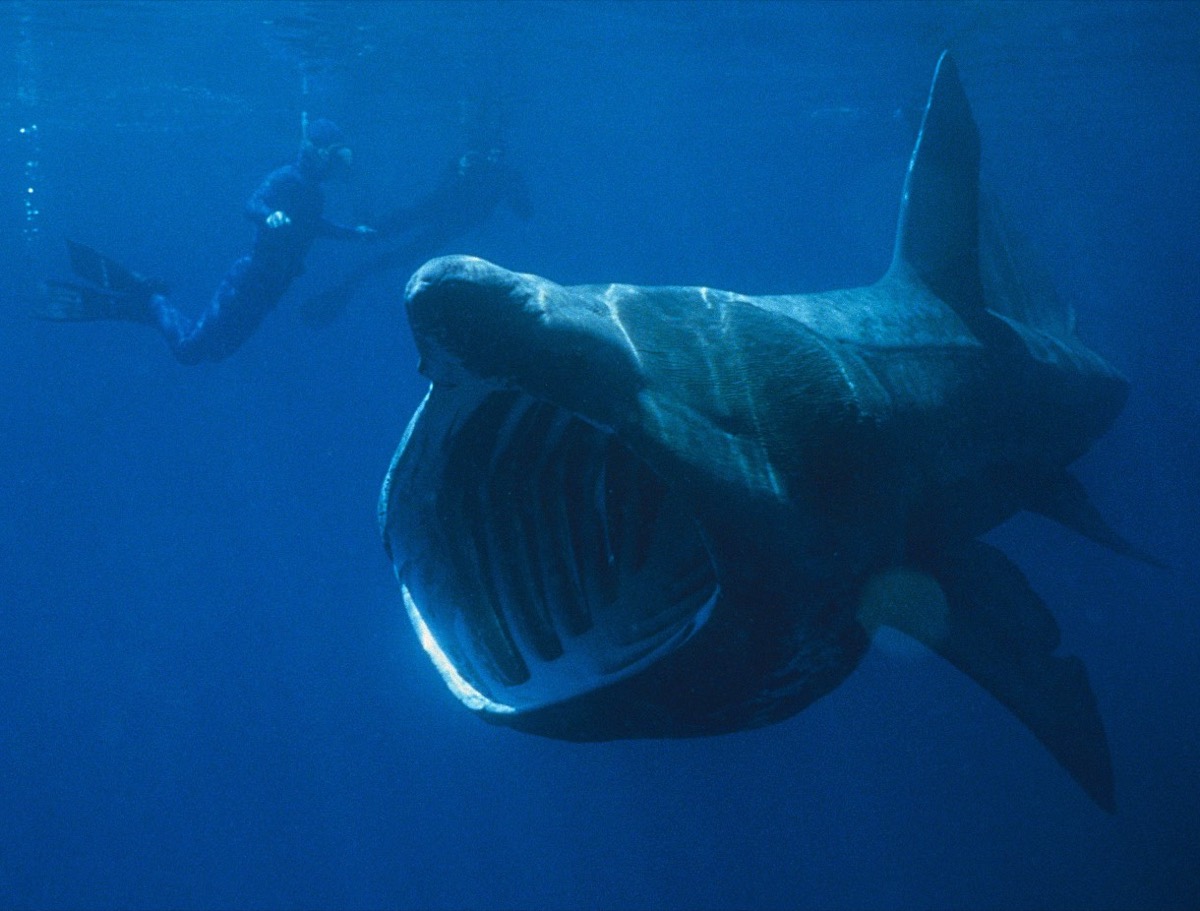 Does a filter-feeding shark eat while crossing an ocean?deep sea
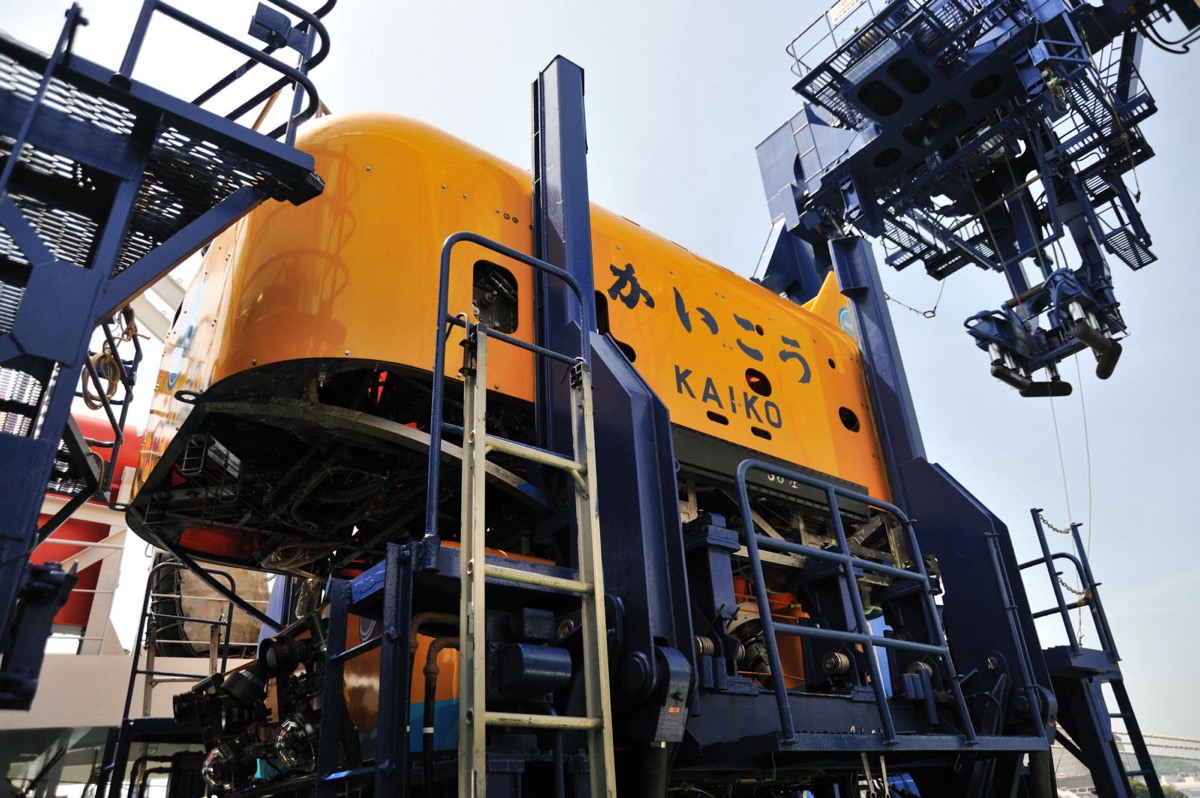 Is the water at the bottom of the deepest trench on earth standing still?deep sea
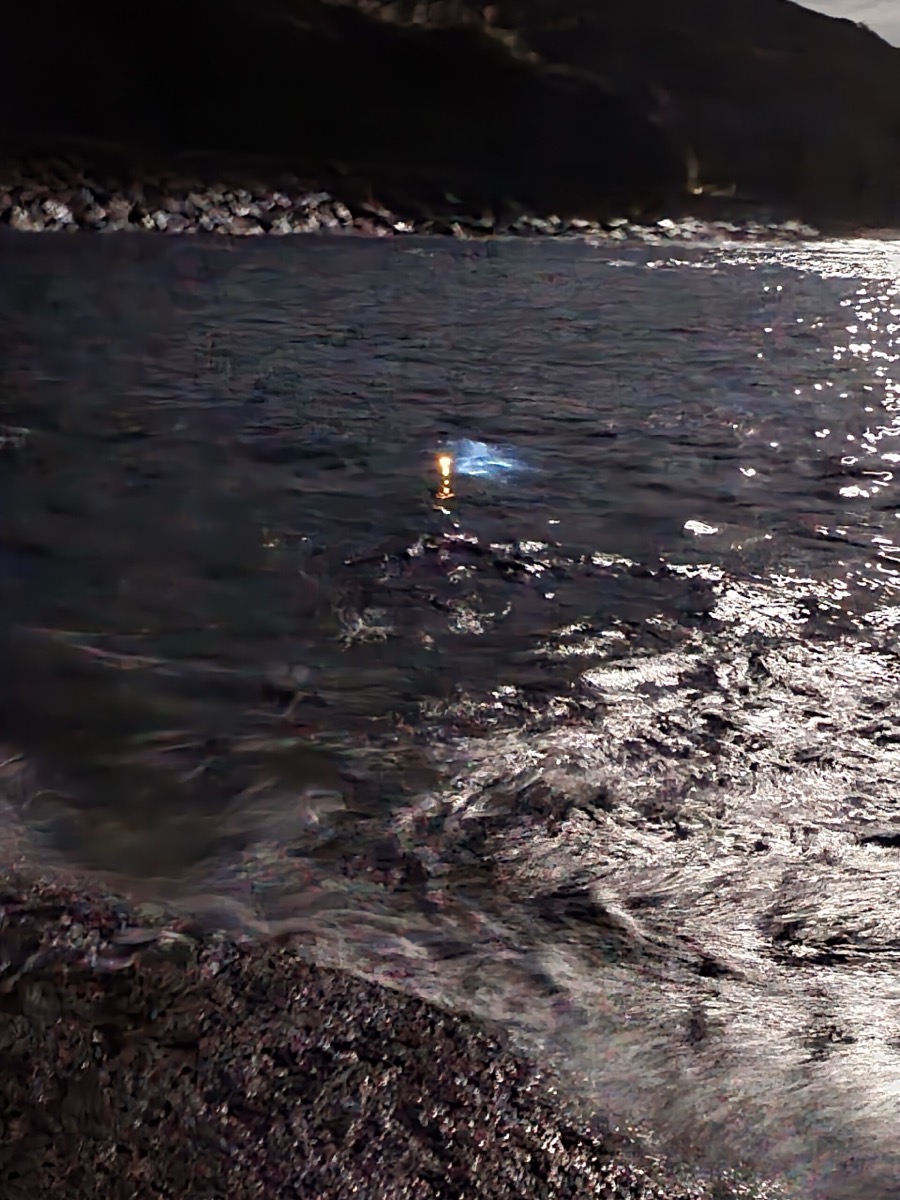 How much of the deep seafloor can make its own light?deep sea