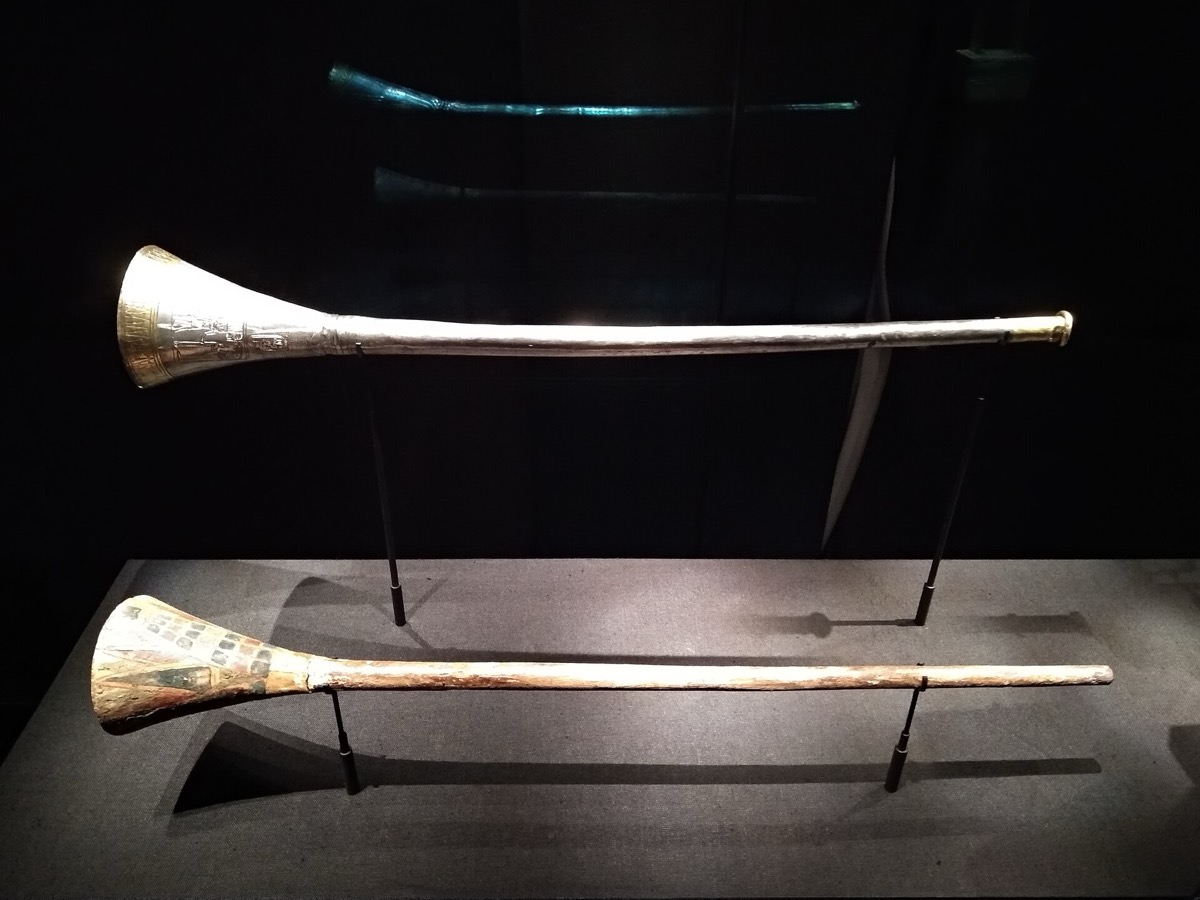
They were broadcast worldwide, and then blamed for a war. Among the things found in the tomb were , the only ones conveyed to us from Egyptian antiquity. After material damage and subsequent , they were played in a performance for the BBC in 1939, to record what sounds could have graced Pharaonic ears.
The timing did the rest. Some months later the Second World War had struck, and people began to think that the prophetic blowing of the trumpets had something to do with it. The instruments already had a place in the story of the , which was believed to strike anyone who had taken part in the archaeological desecration of the tomb.
Among the wonderful things discovered in the tomb of Tutankhamun were two trumpets, the only ones conveyed to us from Egyptian antiquity. They were carefully brought to the Cairo Egyptian Museum and displayed with the rest of the treasure, where they shared in the instantaneous fame of the boy-king.
They also shared in something else. The myth of the Curse of the Pharaohs spread alongside that fame, and seemed to strike anyone who had participated in the archaeological desecration of the tomb. The two trumpets had a peculiar story within that narrative, which is the context for what happened to them next.
After some unfortunate material damage and subsequent restorations, they were used in a performance for the BBC in 1939, to record what sounds could have graced the Pharaonic ears. Both were broadcast worldwide. The intention was straightforward curiosity: here is an instrument from the fourteenth century before the common era, and here is what it does.
The performance had unforeseen impact in . Some months later the Second World War had struck, and people began to think that the prophetic blowing of the trumpets was connected. One caution about this card. The paper is about performance hazards and urban myth, so it is strong on the broadcast and its afterlife and does not attempt to describe the instruments’ acoustics.
wat. Two trumpets were played on the radio in 1939, and a world war was laid at their door.
wat wat
Playing a museum object is a decision with consequences for the object and for its story. These two acquired a reputation from one broadcast that has outlasted every curatorial statement since.
How do we know?
A conference paper on functionality in museum objects and instruments sets out the trumpets’ discovery, their damage and restoration, the 1939 BBC performance, and the way that performance entered popular culture.
What is still unknown
A conference paper concerned with performance hazards and the growth of a myth, which is the right frame for the broadcast and its afterlife. It is not an acoustic study, so it does not report what the instruments actually sound like in measurable terms.
Learn something?
Where to next
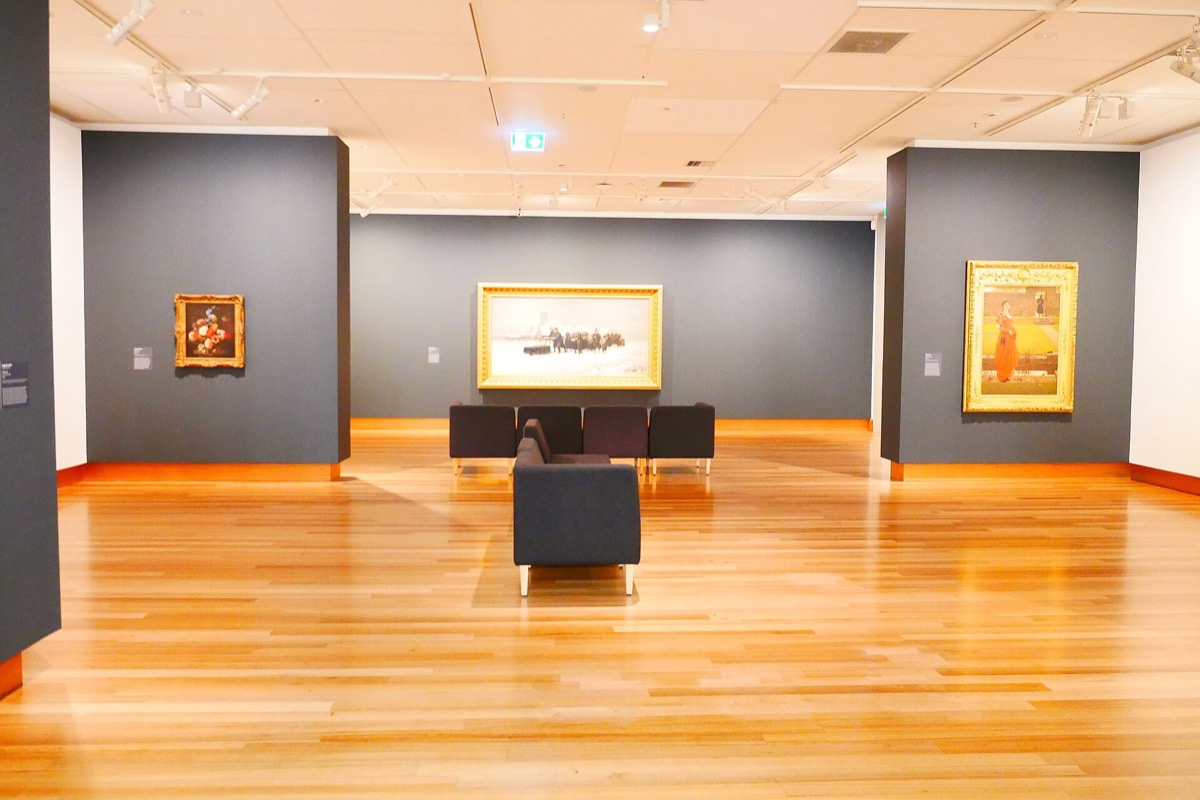 What does an explanation beside a painting do to the way we look?museums
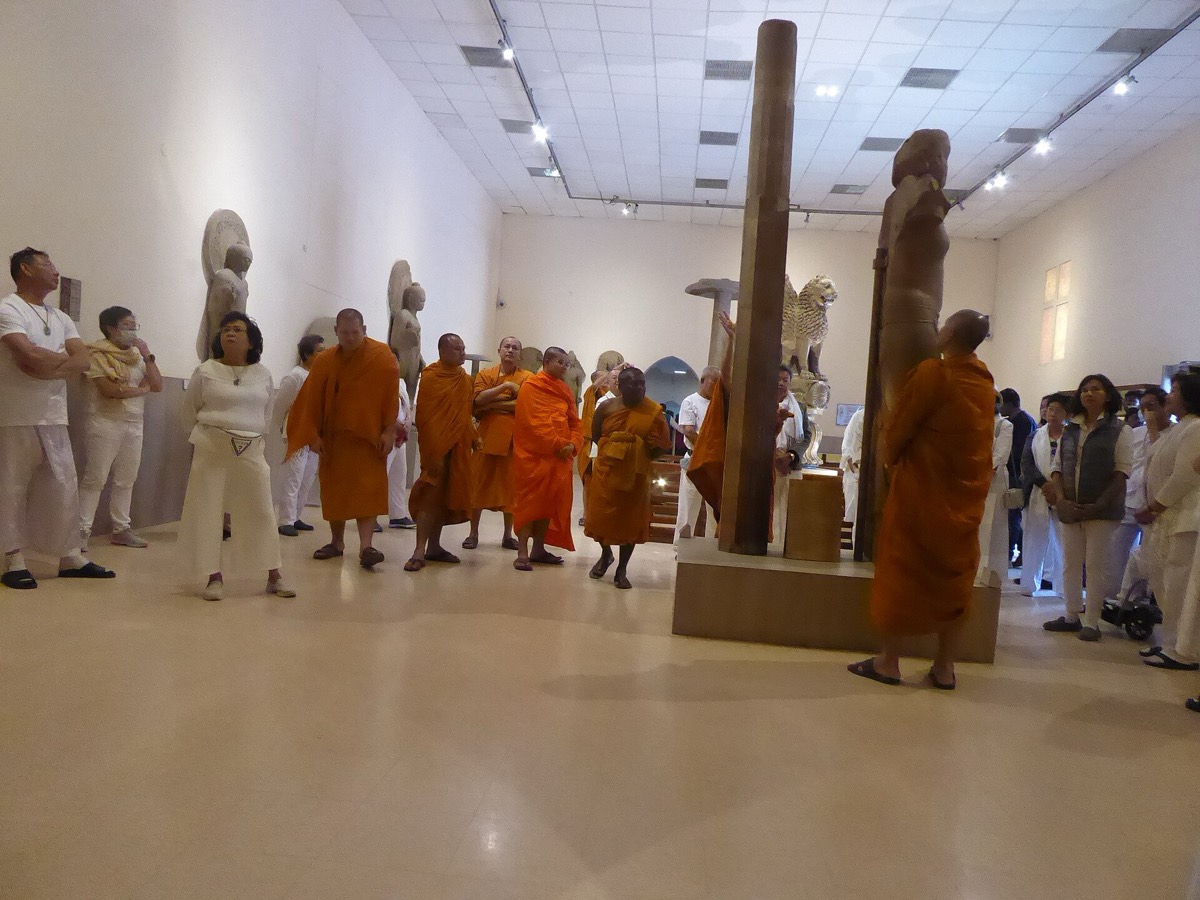 Can a wristband reading your pulse change what you remember from a museum?museums
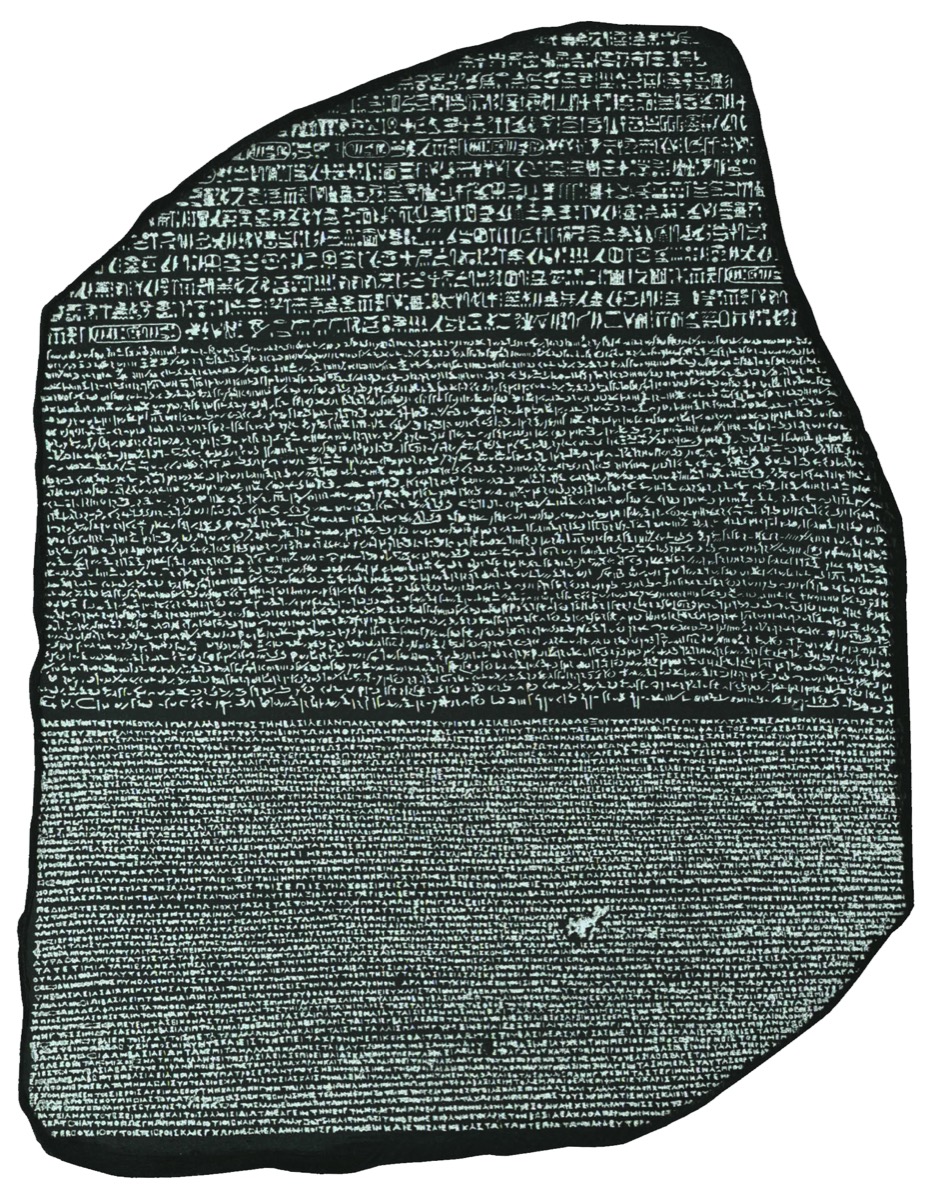 Why did one broken slab unlock a language nobody had read for centuries?egypt