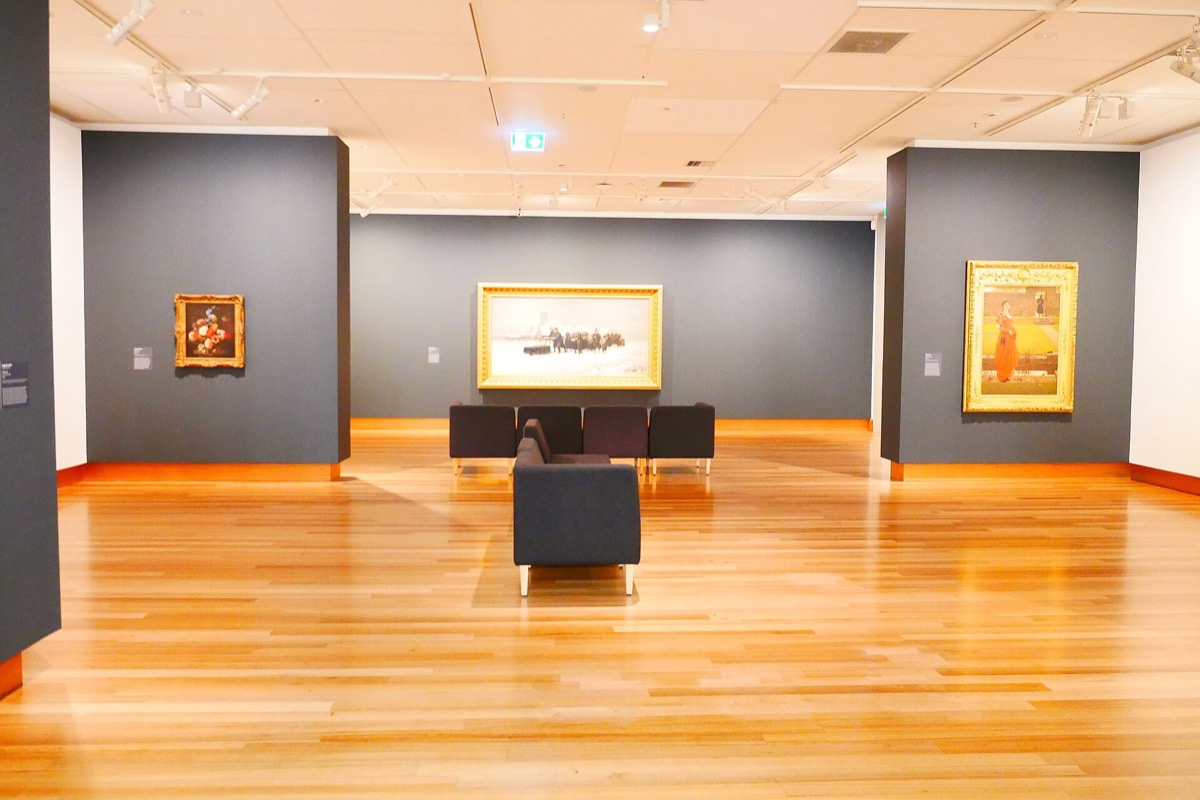
Beside a painting in a museum you can put a name and a date alone, or you can add an explanation of what appears in it. The assumption is that the explanation enriches. Researchers measured , pupils and against the two kinds of label. What actually changed?
Where the eyes went, and for how long. After a detailed description, visitors looked at the work for longer, and eye movements showed they searched for the details mentioned; they also reported the content as less complex. Pupils and skin conductance changed, signs of arousal during viewing. That teaches the explanation changes the manner of looking, not that every visitor will like the painting more.
unfamiliar with modern art may walk past a painting in seconds. A short label gives a name and a date, while a detailed description can offer questions and details to look for inside the work.
The researchers compared responses to basic and to descriptive ones. They did not settle for asking whether visitors liked the painting, but measured how long they looked, where the eyes moved and what changed in pupils and skin conductance.
After a detailed explanation, visitors stayed longer in front of the works and hunted in them for the details described. They perceived the content as less complex and more stimulating, and the patterns of the physiological measures fitted a rise in arousal.
A physiological measure does not say whether a work is liked more, and standing in front of a painting is not a knowledge test months later. The careful conclusion is that the content of a label can guide looking and open a work up, especially for a beginning visitor.
wat. A museum label explaining what you are seeing led visitors to hunt in the painting for the details it described.
wat wat
An accessible explanation beside a work can give a non-expert a way to start seeing details they first missed.
How do we know?
Participants viewed works with short or descriptive labels; the researchers measured viewing time, eye movements, reports and physiological measures.
What is still unknown
The work examined a modern art museum context and a particular group of participants. Measures of arousal are not a direct measure of learning over time or of enjoyment.
Learn something?
Where to next
 Can a wristband reading your pulse change what you remember from a museum?museums
 What makes a museum visit teach a child anything?museums
 Do two minutes in front of art online change how you feel?art