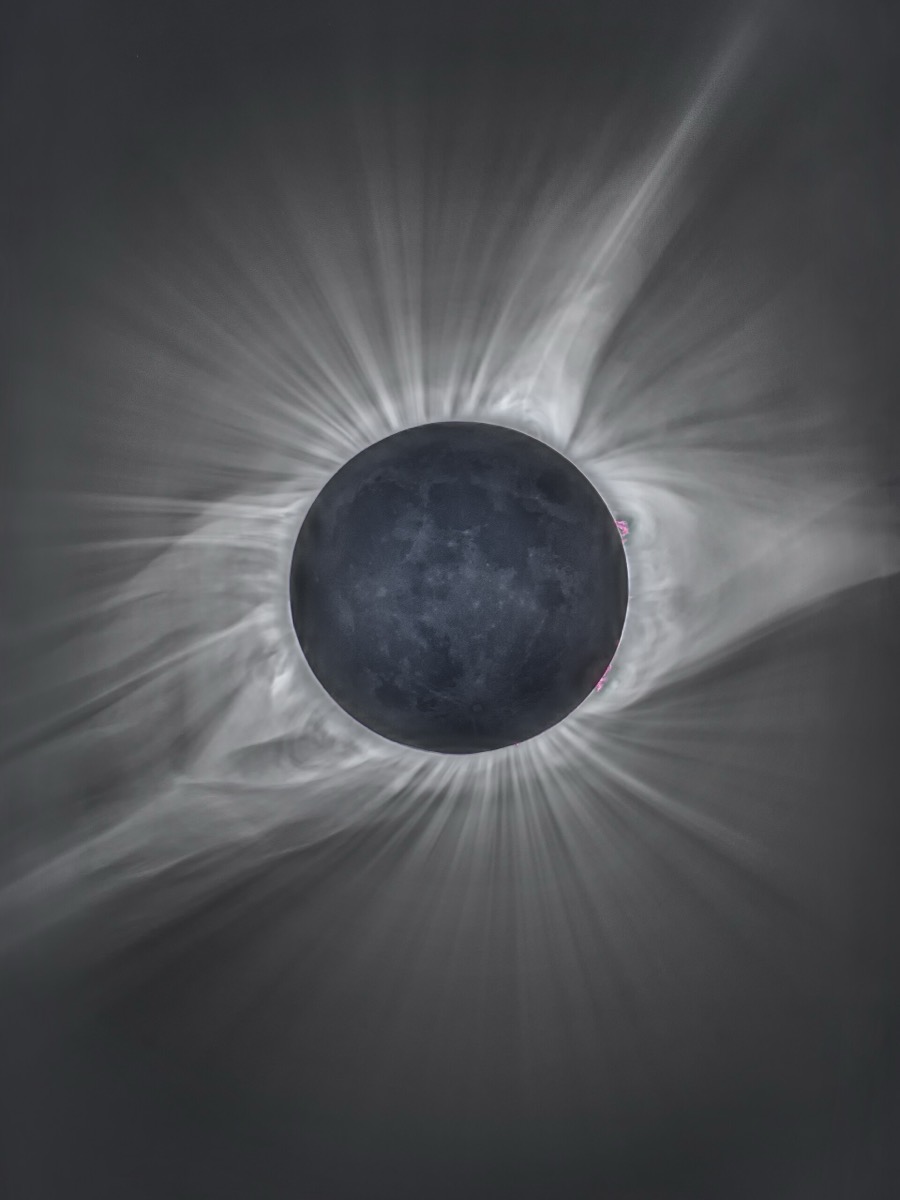
Move away from a fire and it gets cooler. Above the Sun’s surface the opposite happens: the surface simmers at about 10,000 degrees Fahrenheit while the above it spikes upward of 2 million. Decades of measurements from a distance have not settled why, and NASA calls it one of the greatest unanswered questions in astrophysics.
Nobody knows yet, which is why a spacecraft had to go there. Scientists call it the , and it is one of the three big questions Parker Solar Probe was built to answer. Mission scientists hope measurements from inside the corona itself will settle it once and for all.
in the Sun’s corona spike upward of 2 million degrees Fahrenheit, while the surface below simmers at a balmy 10,000. The direction of that difference is the problem, since the carries energy outwards and temperature is supposed to fall with distance from a source.
How the corona gets so much hotter than the surface remains, in NASA’s words, one of the greatest unanswered questions in astrophysics. Scientists have worked on it for decades with measurements taken from afar, and it is still open.
Hence a mission that flies into it. Mission scientists hope measurements from within the corona itself will solve the coronal heating problem once and for all. It is the third of the three big questions Parker Solar Probe was built to answer.
The reason it can survive there is the thinness of the corona. Temperature measures how fast particles move and heat is the energy they transfer. With very few particles, the fast ones deliver little heat, the way a hand in a hot oven fares better than a hand in boiling water.
wat. The Sun’s surface sits near 10,000 degrees Fahrenheit and the corona above it reaches two million.
wat wat
The corona drives the solar wind and the space weather that reaches satellites, so the heating mechanism is not an abstract puzzle.
How do we know?
NASA states the temperatures and the open question directly, and frames the mission around measuring inside the corona rather than observing it from afar, which is what previous decades of work had to do.
What is still unknown
This is a mission explainer stating the problem, not a paper solving it, and the answer is still outstanding.
Learn something?
Where to next
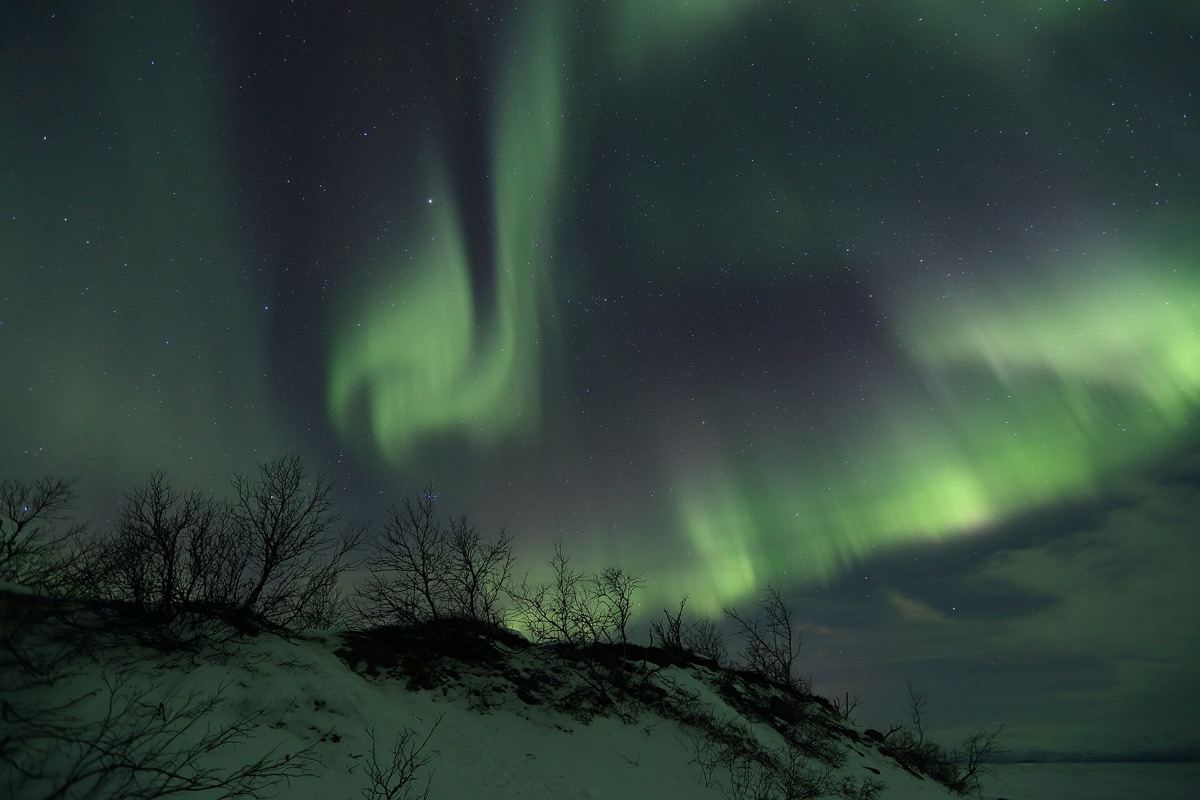 What is actually glowing when you see the northern lights?Sun
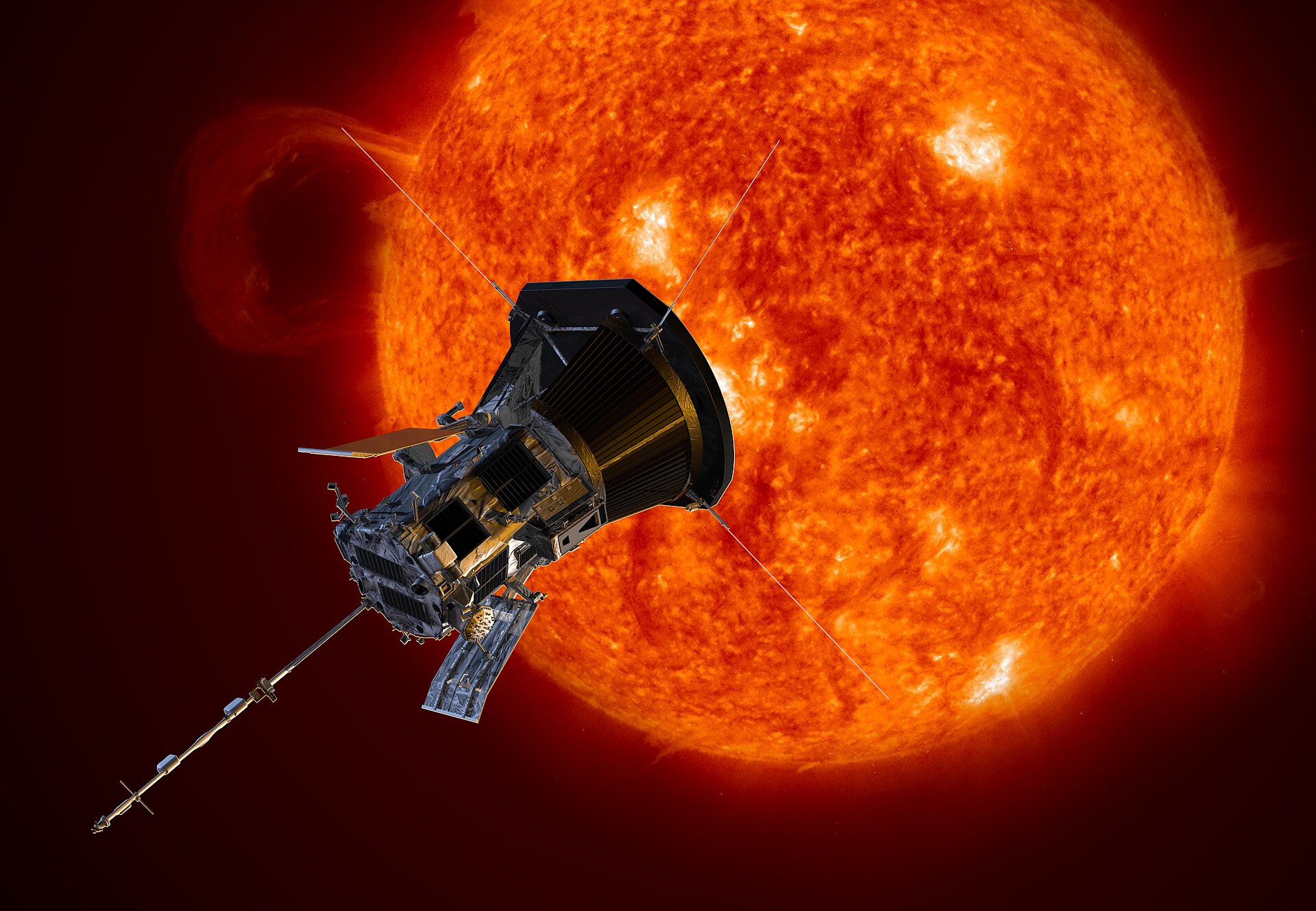 Where does the Sun end?corona