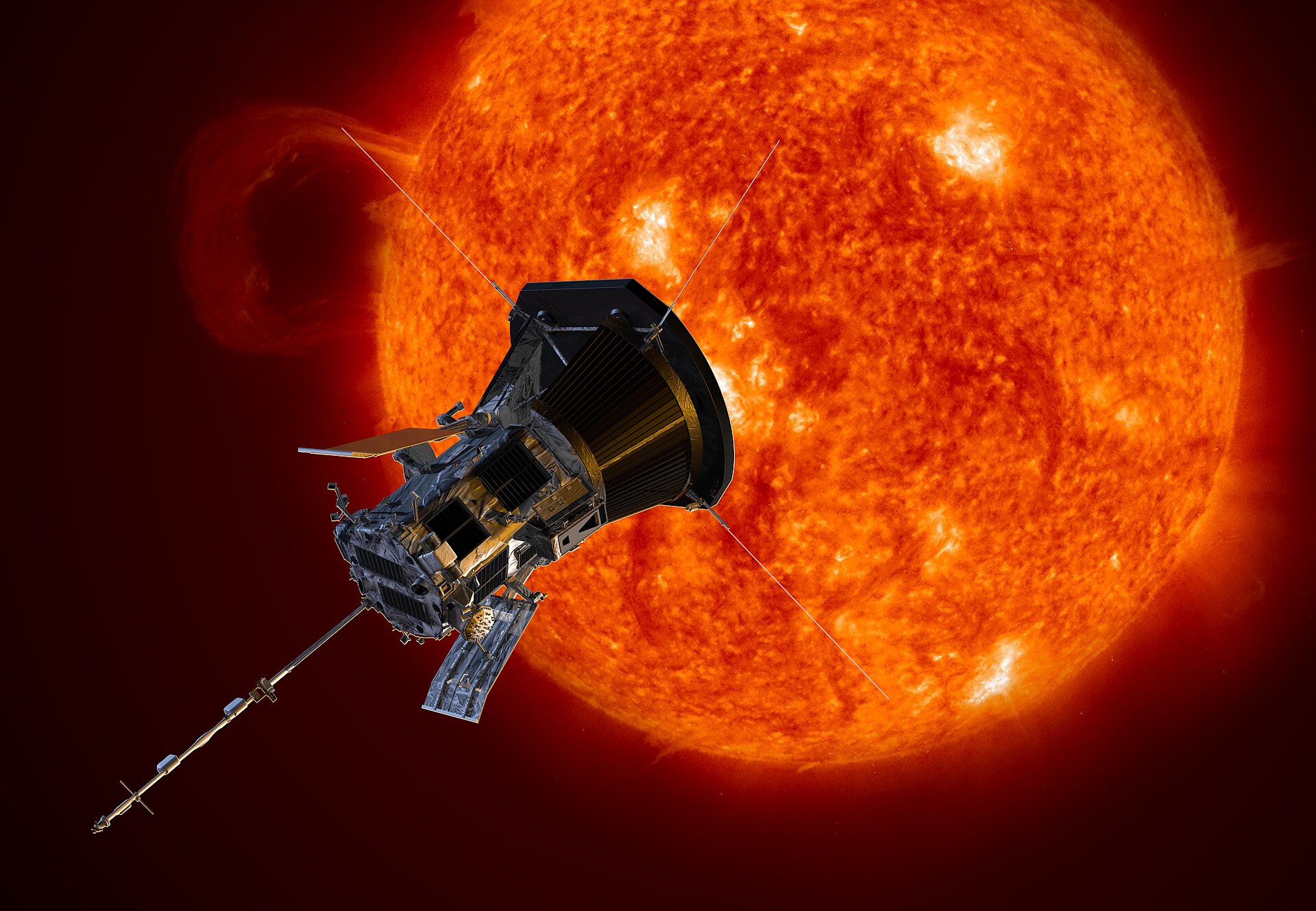
The Sun has no surface to land on, so saying a spacecraft reached it needs a definition. Physics supplies one: a boundary called the , below which the magnetic field is strong enough to dominate the plasma and hold it in causal contact with the star. Above it the solar wind has broken away for good. In April two thousand and twenty-one, something crossed it.
Parker Solar Probe went below the boundary and stayed there for five hours. At nine thirty-three on the twenty-eighth of April two thousand and twenty-one it entered the magnetized atmosphere of the Sun, thirteen million kilometers above the . The plasma there was in casual contact with the Sun, at an of zero point seven nine, with magnetic pressure dominating both ion and electron pressure.
The paper opens with the thing being explained. The high temperatures and strong magnetic fields of the solar corona form the streams of solar wind that expand through the solar system and on into interstellar space. Somewhere in that expansion the wind stops being part of the Sun, and the Alfven critical surface is where.
The crossing is recorded to the minute. At nine thirty-three Universal Time on the twenty-eighth of April two thousand and twenty-one, Parker Solar Probe entered the magnetized atmosphere of the Sun, thirteen million kilometers above the photosphere. It crossed below the Alfven critical surface for five hours, into plasma in casual contact with the Sun.
Two measurements establish that it was really inside. The Alfven Mach number was zero point seven nine, meaning the flow was slower than the magnetic waves that could carry information back toward the star, and magnetic pressure dominated both ion and electron pressure. The authors also report the spectrum of turbulence below the critical surface, which is the sort of thing you can only measure from in there.
Where the plasma came from matters for why the crossing happened at all. Magnetic mapping suggests the region was a steady flow emerging on rapidly expanding coronal magnetic field lines lying above a . The sub-Alfvenic nature of the flow may be due to suppressed magnetic reconnection at the base of that structure, which the unusually low densities support. In other words the boundary is not a sphere at a fixed height but a surface with hills and valleys, and the probe found a valley.
wat. It did not touch a surface. It crossed the line where the Sun stops holding on.
wat wat
Inside that boundary the wind has not yet separated from the Sun, which is where the questions about how it is heated and accelerated have to be settled.
How do we know?
An open-access paper in Physical Review Letters by Kasper and colleagues, reporting the crossing, the turbulence spectrum measured below the critical surface, and magnetic mapping of where the flow came from.
What is still unknown
Five hours of one crossing, through a region the authors characterize as unusual: a steady flow on rapidly expanding field lines above a pseudostreamer, with unusually low densities.
Learn something?
Where to next
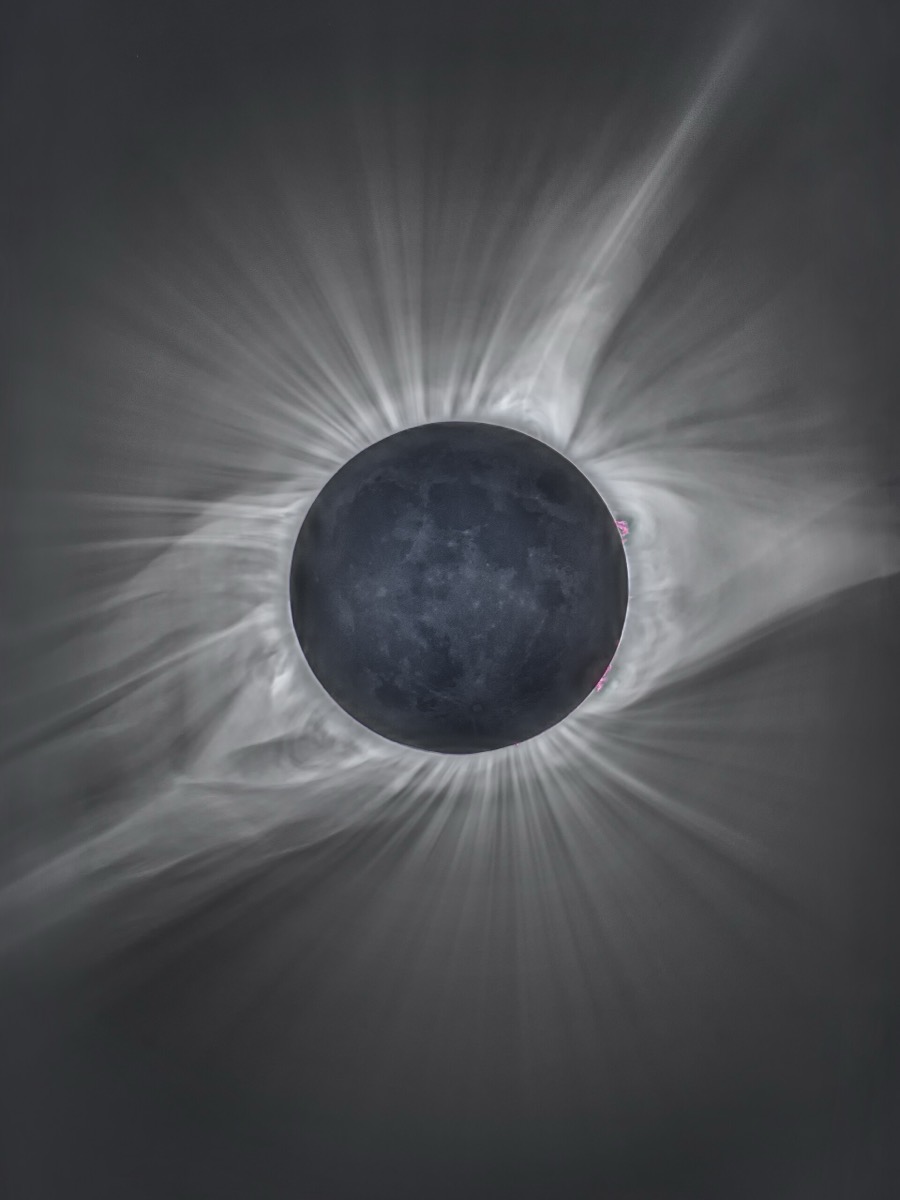 Why is the Sun’s atmosphere hotter than its surface?corona
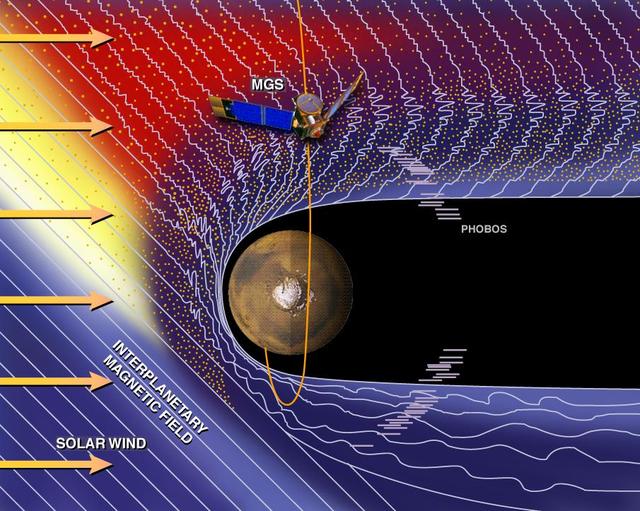 What is blowing past the Earth at four hundred kilometers a second?solar wind