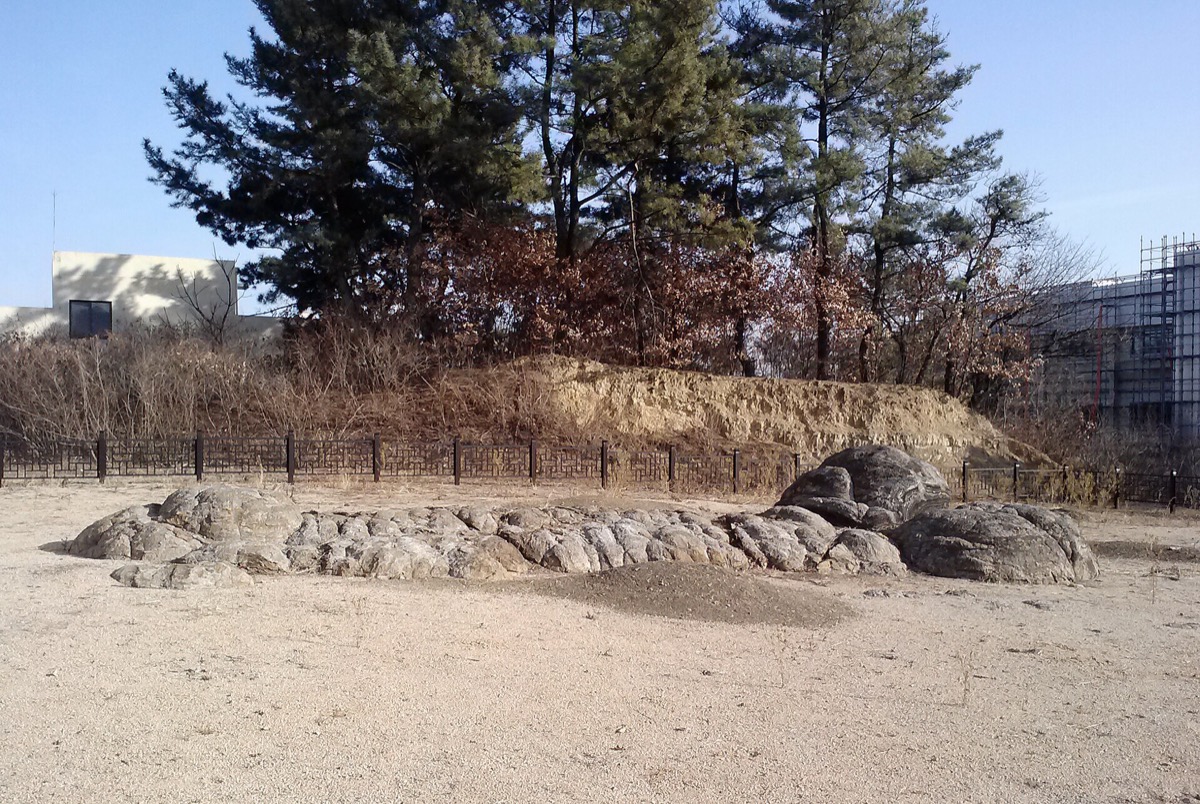
is a rock that looks like a stack of cushions, built from thin layers laid one on another. Rock does not pile up that way by itself. Who built it?
A community, over and over. grows as a sticky sheet on a shallow floor, binding particles of sediment and shifting the local acidity so that settle out and harden. When a layer is buried the microbes need light, so and a new layer forms. That repetition is what produces the layering.
A rock that looks like a stack of cushions is built from thin layers, and every layer is the record of a single event.
A microbial mat grows as a sticky sheet on a shallow floor. It secretes a slimy material that binds particles of sediment, and it changes the acidity around it so that carbonate minerals settle out and harden.
When the layer is buried, the microbes need light, so they grow upward again and a new layer forms. That repetition is what produces the layered structure.
Stromatolites are among the earliest evidence of living communities, and non-biological processes can produce similar layering, so researchers check texture and chemistry too. In the very oldest structures it is hard to prove what contributed each layer.
wat. A stromatolite grows when a microbial mat traps sediment and minerals harden it into a new layer.
wat wat
Stromatolites are among the earliest evidence of living communities on Earth.
How do we know?
Work on living mats measures microbial activity and carbonate precipitation, and compares the layers that form against fossil structures.
What is still unknown
Non-biological processes can produce similar layering, and in the very oldest structures it is hard to prove what contributed each layer.
Learn something?
Where to next
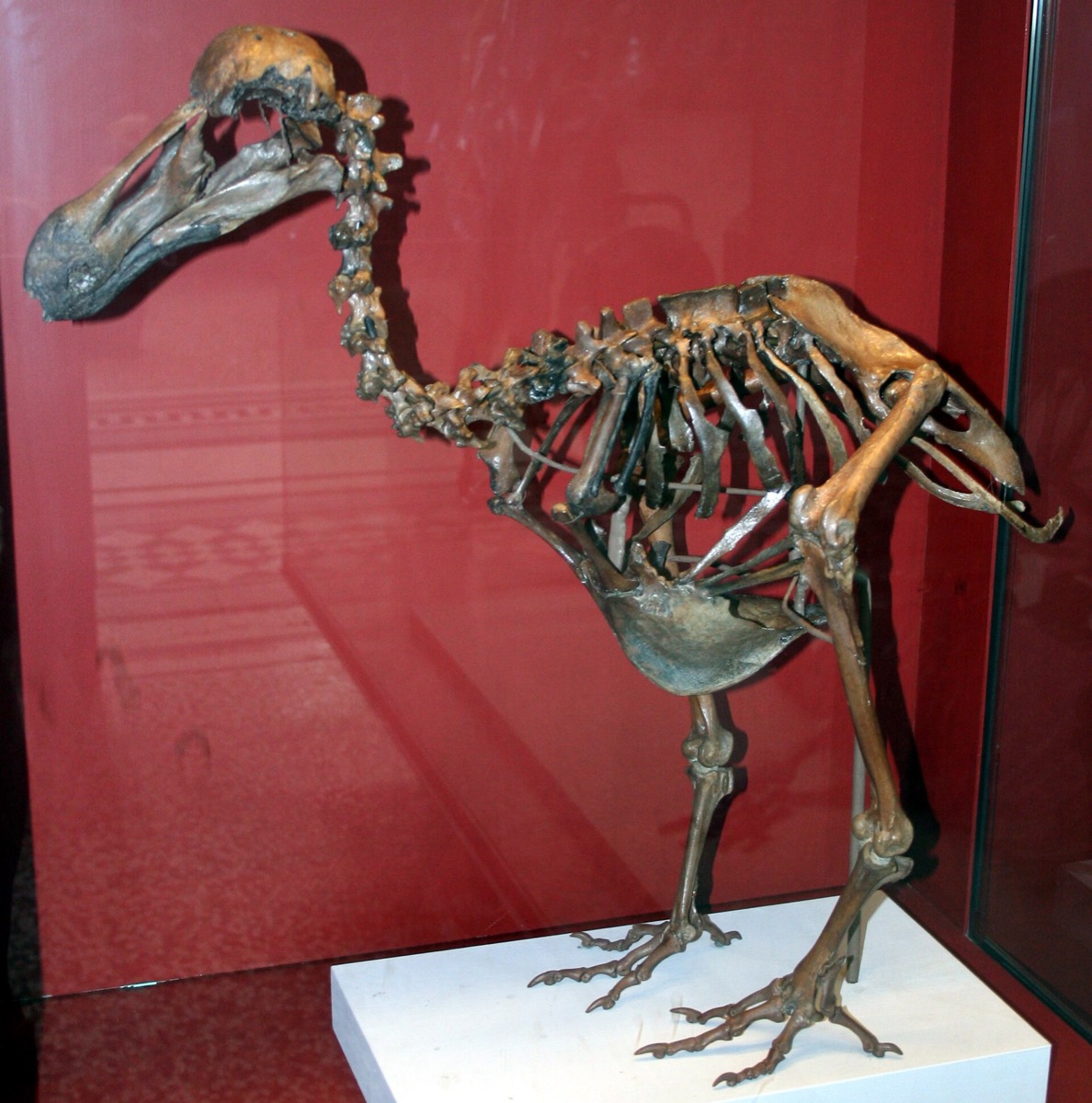 What are we comparing today’s extinctions against?fossils
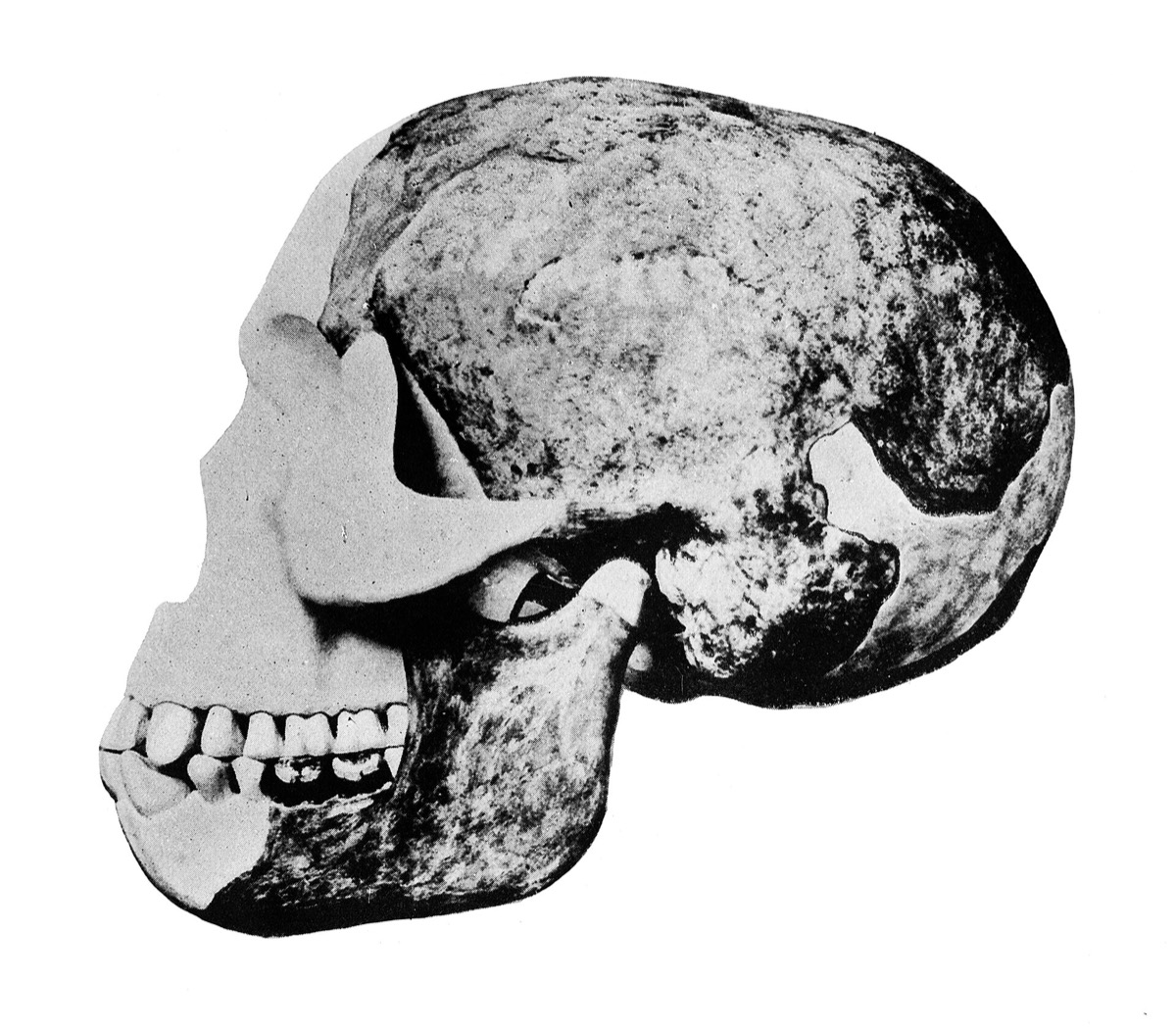 How many people does it take to fake a missing link?fossils