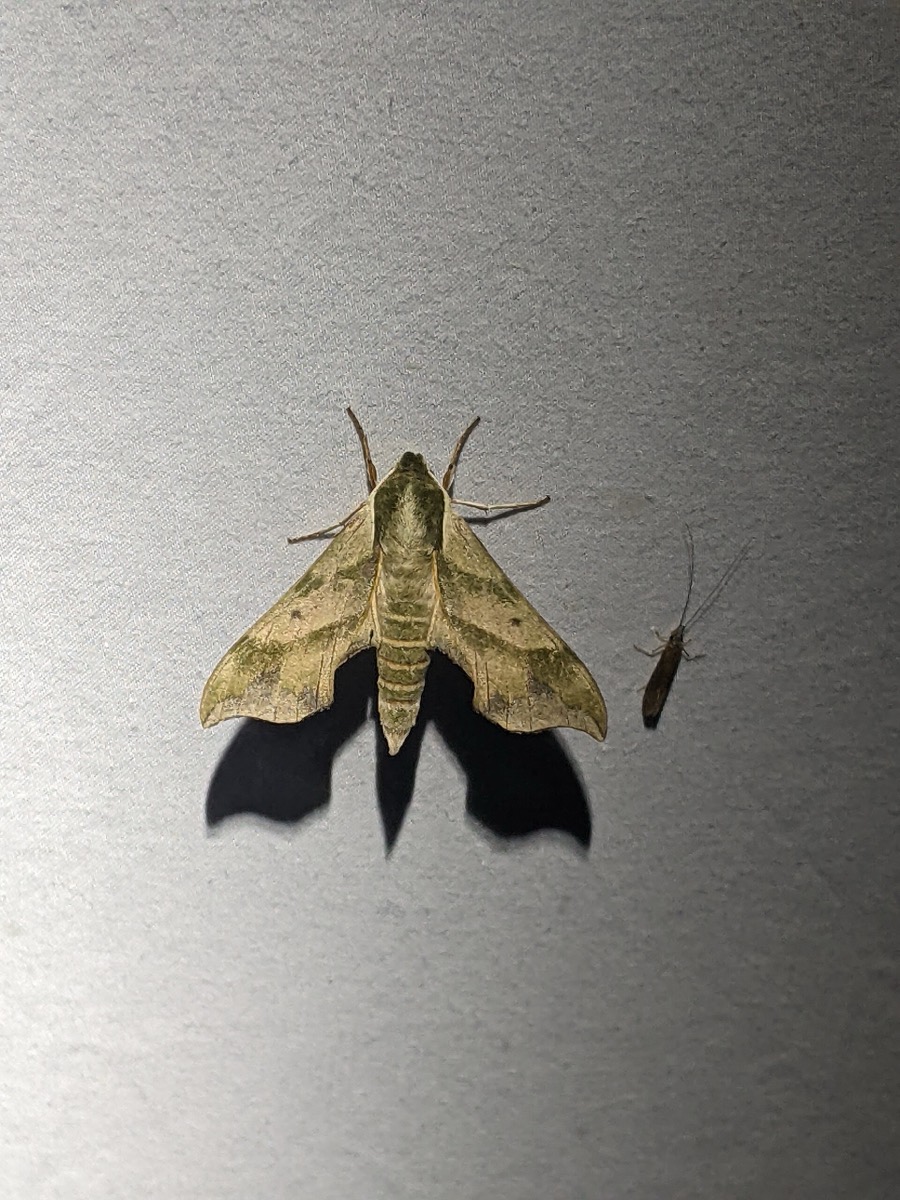
The familiar picture of a moth circling a lamp tells only part of the story, because it shows only the ones that arrived. To see the rest, researchers used to follow the flight paths of individual moths near a streetlight. What became of the ones that never came close?
Only 4 percent of them flew toward the lamp at all. The researchers had expected most of them to head for it. Instead the light bent the flights of moths that stayed outside it: paths grew more twisted in both groups tested, and for lappet moths the streetlight worked as a barrier whenever the moon was missing. Light at night can redraw movement without drawing insects in.
A moth wheeling around a lamp is easy to photograph, which is how light pollution came to be pictured as attraction. To understand the environmental cost you also have to know what happens to the moths that pass near a lamp and never enter its light, and until now nobody could watch those.
Harmonic radar closed that gap. The researchers tracked individual moths of two groups, hawk moths and lappet moths, around a streetlight, and compared nights when the moon offered a against nights when it did not.
The headline number went against their own hypothesis: only 4 percent of the tested individuals flew toward the light at all. The flights of the rest changed anyway. rose in both groups, and for lappet moths the lamp produced a whenever the moon was unavailable.
None of this says every lamp blocks every moth, and intensity, surroundings and moonlight will all shift the outcome. What it does say is that the insects visible around a bulb are the wrong place to look. If light fragments the ground for the ones that keep their distance, the damage is spread across a landscape rather than gathered under a lamp.
wat. Tracked by radar near a streetlight, only 4 percent of moths flew to the light, and the others still flew differently because of it.
wat wat
Counting the insects around a lamp measures the smallest part of the problem, and misses what street lighting does to movement across a landscape.
How do we know?
Harmonic radar tracked single moths around a streetlight, and the recorded trajectories were compared between nights when the moon was available overhead and nights when it was not.
What is still unknown
Two groups of moths were tested under particular conditions. The barrier showed up in the absence of the moon, and the 4 percent figure belongs to these species rather than to nocturnal insects in general.
Learn something?
Where to next
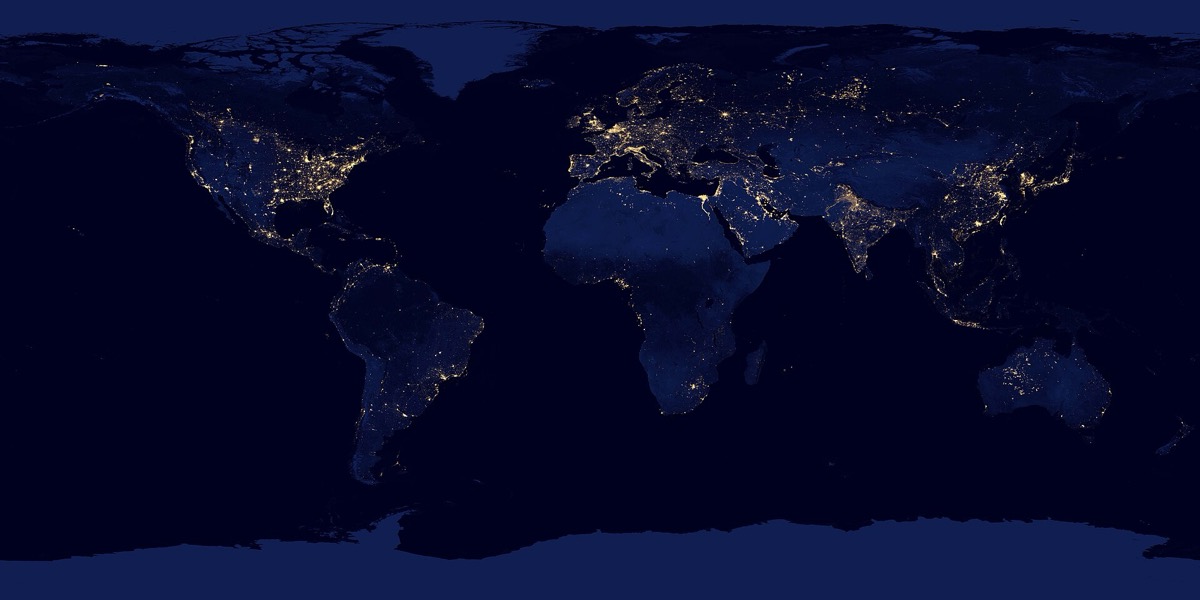 How many people in the world can no longer see the Milky Way?light pollution
 Why do leaves under a streetlight stay more intact?street lighting
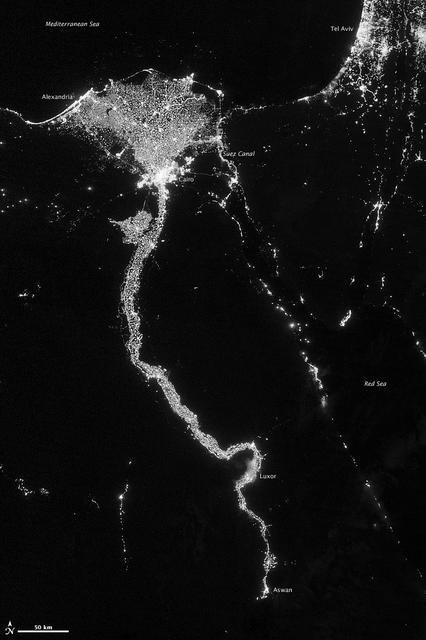 Is the night sky getting brighter faster than satellites say?light pollution