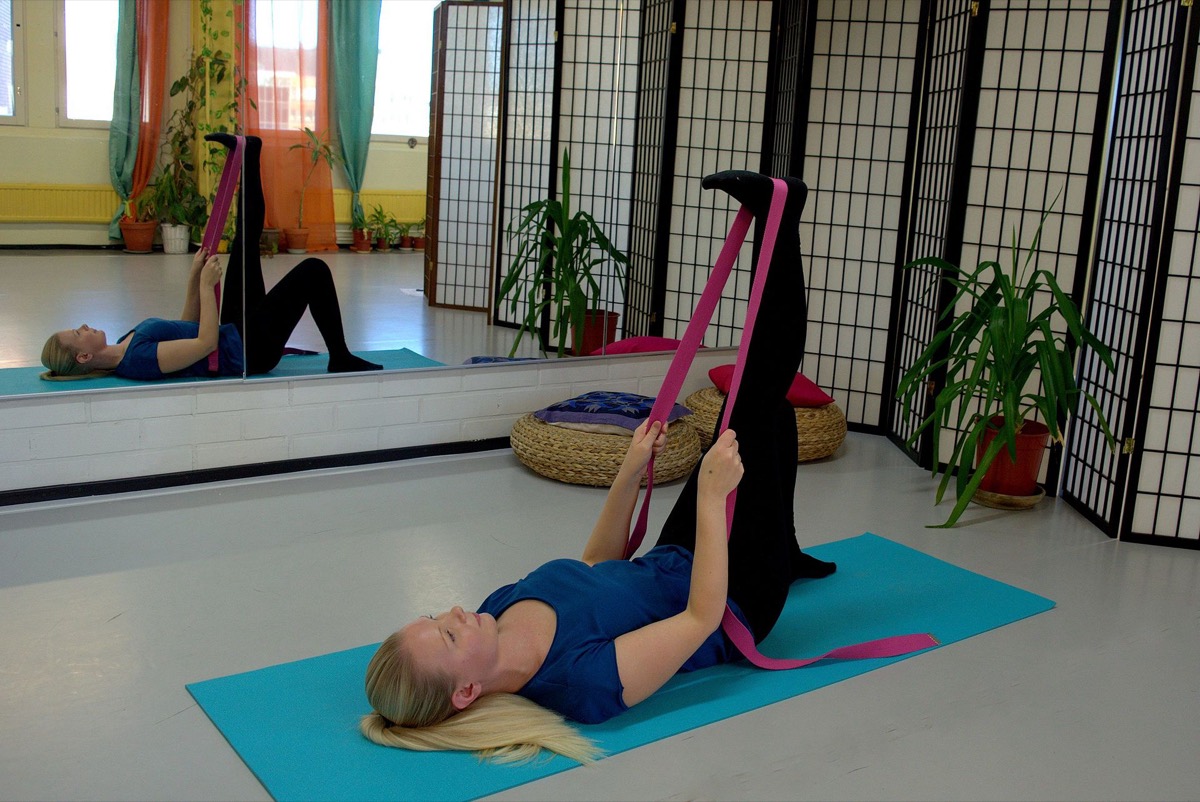
Pre-exercise stretching came under question once studies reported losses of force and power right afterward, and the advice flipped from mandatory to forbidden. Methodological problems and conflicting results kept a consensus out of reach. A systematic review went through the whole literature. What decides it?
Duration. Searches turned up 4,559 candidate articles and 106 met the criteria, and the detrimental effects are mainly limited to stretches of or longer. Shorter stretches, under 60 seconds, can be performed in a pre-exercise routine without compromising , which is what most people actually do.
The benefits of pre-exercise muscle stretching were questioned after reports of significant post-stretch reductions in force and power production. What kept the question open was methodology, since equivocal findings and design problems prevented a clear consensus.
The review went wide. Searches of MEDLINE, ScienceDirect, SPORTDiscus and Zetoc with recursive reference checking revealed 4,559 possible articles, of which 106 met the inclusion criteria, limited to randomized, quasi-randomized and intervention-based trials in peer-reviewed journals.
Study design was often poor, and the authors say so, since 30 percent of the studies failed to provide appropriate . That is the kind of detail that decides how much weight a pooled answer can carry.
The conclusion lands on duration. The detrimental effects of are mainly limited to longer holds, 60 seconds and up, which may not be what clinical, healthy or athletic populations actually do before exercise. Shorter stretches can be performed without compromising maximal muscle performance.
wat. Hold a stretch for a minute or more and you may lose force; a short one before training costs nothing.
wat wat
The advice that reached gyms was stricter than the evidence, and a rule that long stretches cost force says nothing about a brief one.
How do we know?
Kay and Blazevich searched MEDLINE, ScienceDirect, SPORTDiscus and Zetoc with recursive reference checking, and included randomized, quasi-randomized and intervention trials on acute static stretch and maximal performance.
What is still unknown
Study quality was often poor, with 30 percent of the included studies failing to report appropriate reliability statistics.
Learn something?
Where to next
 Coffee before lifting: real strength, or just a feeling of alertness?strength
 Can a regular warm-up prevent almost four in every ten injuries?warm-up
 Is the cool-down stretch doing anything for your recovery?stretching