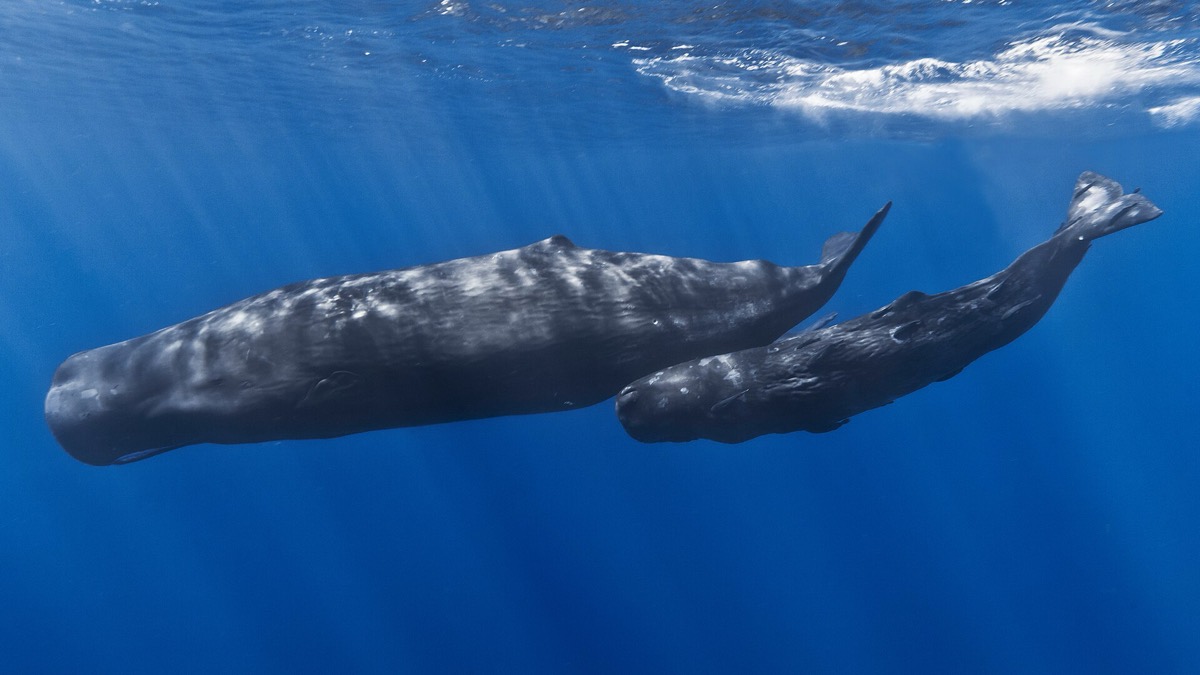
Comparing animal loudness is notoriously difficult. Proximity matters, and so does the medium: there is a difference of some sixty-one and a half between the same sound passing through air and through water. Work out the comparison properly and one animal is far ahead of the rest, and the sound is not a call. What is it?
An echolocation click, at up to two hundred and thirty-six decibels. Sperm whales produce clicks to hunt prey in the low-light ocean depths, and the record states that figure against a reference pressure of one micropascal. In air, to a human ear, that would be about forty-four times the loudness of a thunderclap. The whales can hear each other several tens of kilometers away.
The loudest sounds made by any animal are the unidirectional clicks produced by sperm whales, which they use for echolocation while hunting prey in the low-light ocean depths. Those clicks can reach two hundred and thirty-six decibels, which in air, to a human ear, would be equivalent to around forty-four times the loudness of a thunderclap.
The number needs its conditions attached. Loudness in animals is notoriously difficult to measure and compare, and even with a single method, proximity and medium change the outcome. Some sixty-one and a half decibels separate a sound passing through air from the same sound passing through water. For the sperm whale figure, Guinness states a reference pressure of one micropascal.
The measurement came from a collaboration between the University of Aarhus, the University of Copenhagen and Computer Sciences Corporation Scandinavia. Bertel Mohl of the Department of Zoophysiology at Aarhus led it. Their paper appeared in the Journal of the Acoustical Society of America in August two thousand three.
Hunting clicks are only part of the repertoire. Sperm whales have been recorded producing usual clicks, , slow clicks and , the patterned click sequences used socially. Clans have distinct dialects based on which codas they use, and within those regional variations the codas differ between individuals, which suggests each whale may have its own identifying voice.
wat. The loudest animal on earth is not shouting at anything. It is looking around in the dark.
wat wat
The loudest sound in the animal kingdom is not a display or a threat. It is an instrument, built to find something in water where there is no light to see by.
How do we know?
Guinness World Records holds the measurement from a study led by Bertel Mohl at the University of Aarhus, with the University of Copenhagen and Computer Sciences Corporation Scandinavia. It appeared in the Journal of the Acoustical Society of America in August two thousand three.
What is still unknown
Guinness is explicit that loudness in animals is hard to measure and compare, since proximity and the medium both change the result. The figure holds against its stated reference pressure and not as a plain number.
Learn something?
Where to next
 Can a flower hear a bee coming?sound
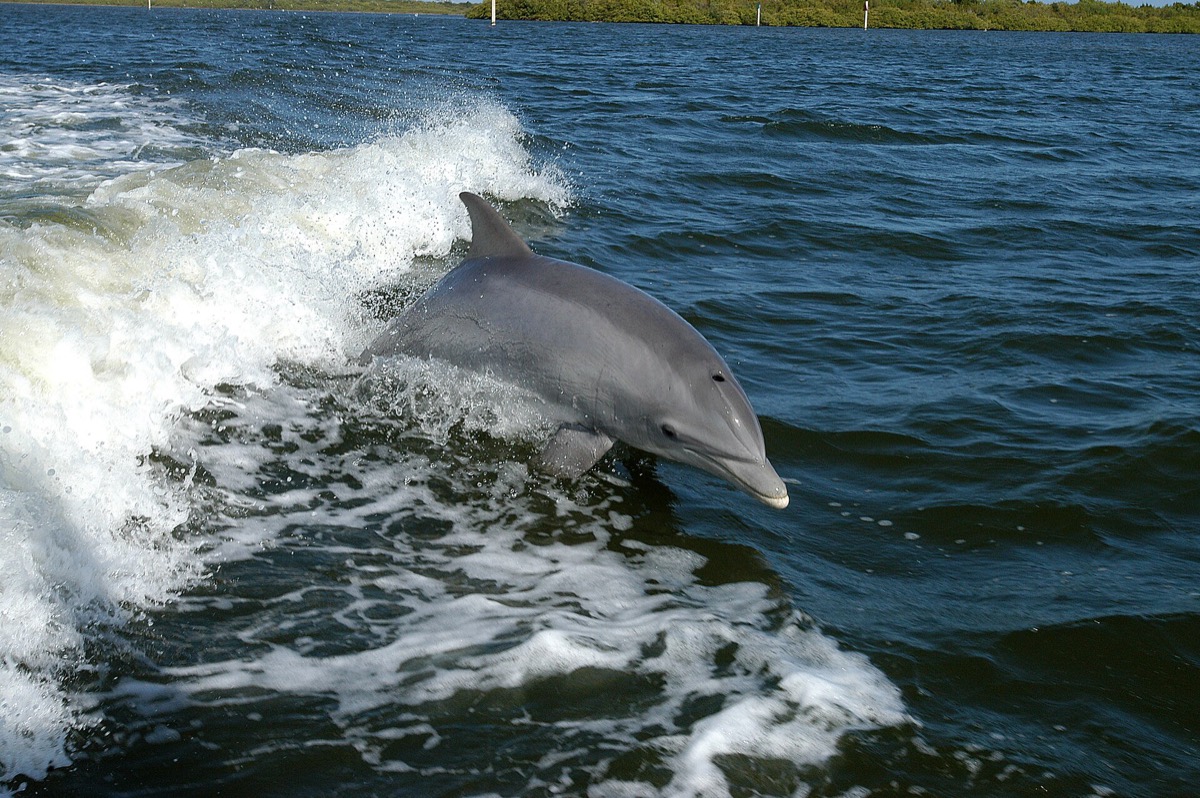 Does a dolphin have anything like a name?sound
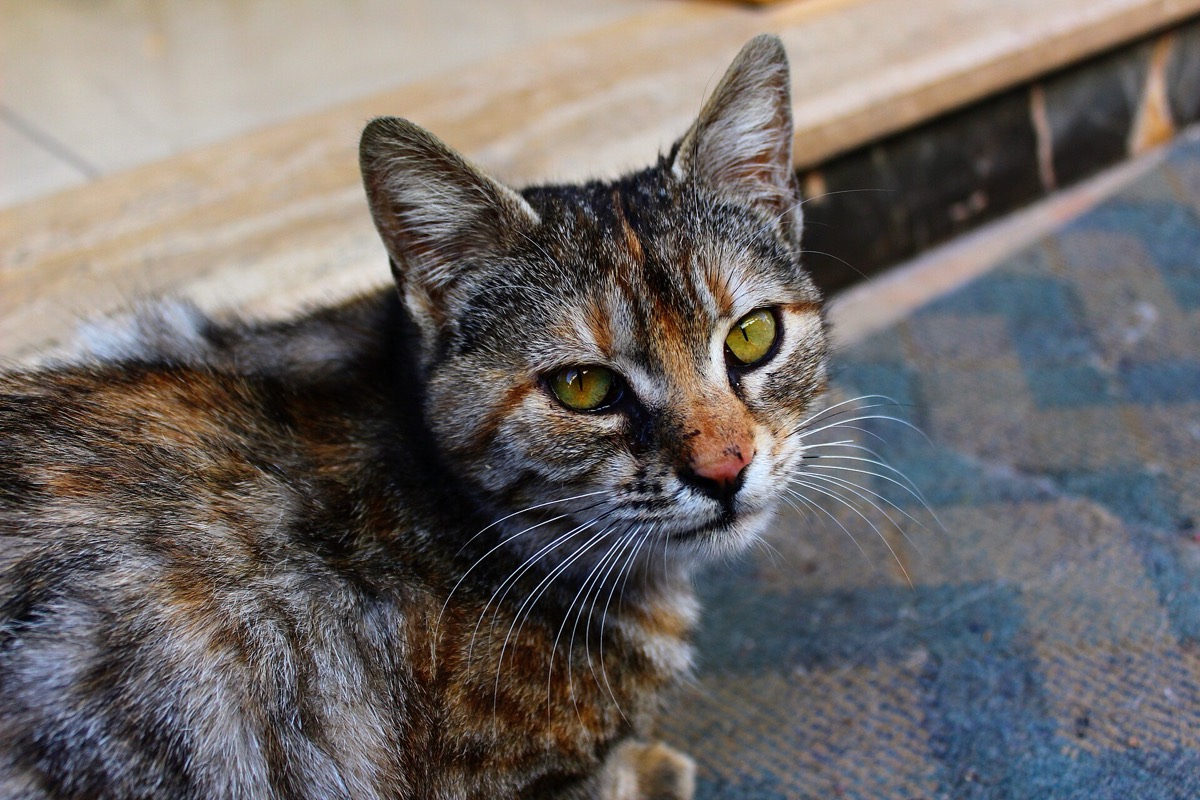 Does a cat have to keep working to hold a purr going?sound