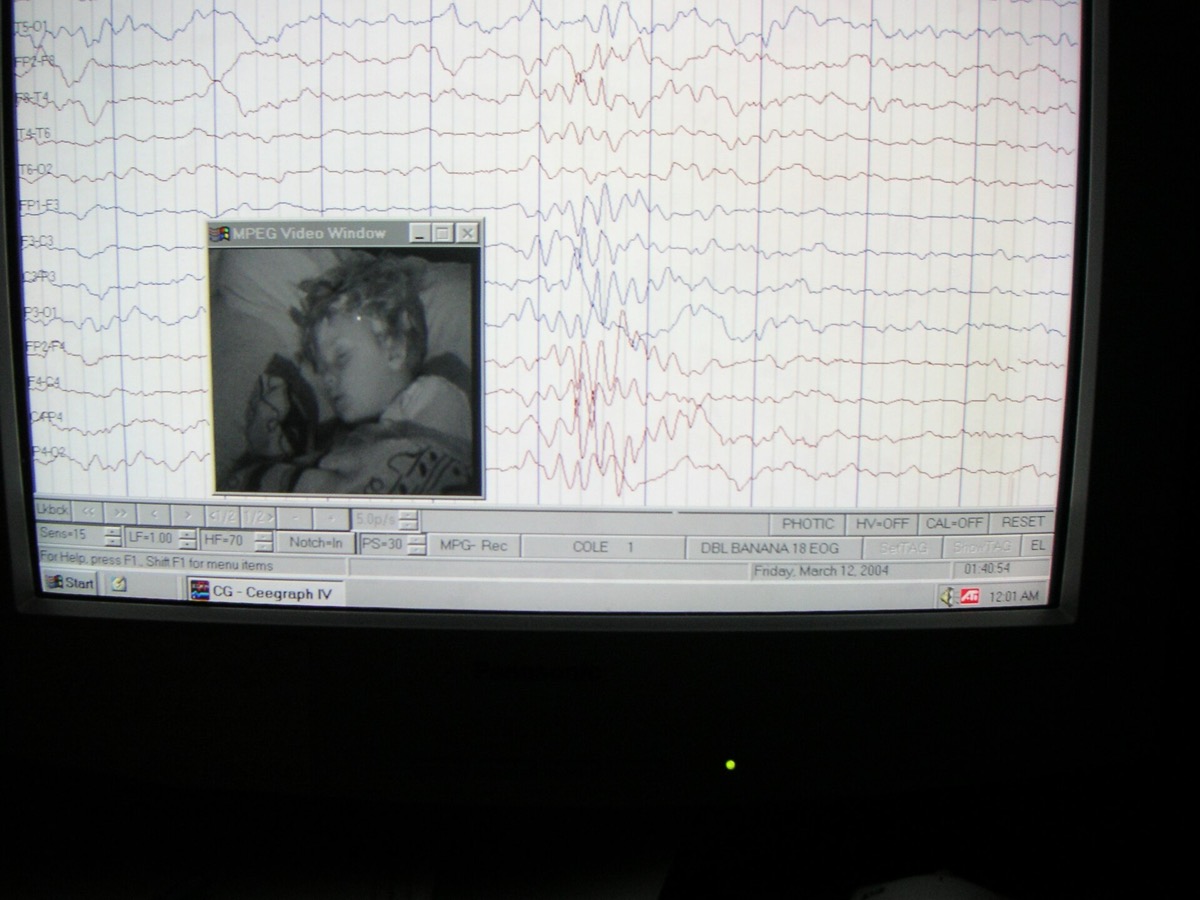
Awareness of the world fades at sleep onset while the brain keeps processing sound in surprising detail. In waking life that kind of processing leaves a memory behind. Whether it does during sleep is a different question. So participants sorted spoken items into words and with left and right hand responses while drifting off, and were tested after waking. Did anything survive?
Nothing explicit survived, and something implicit did. Electroencephalography showed continuing in response to the sounds, so the sleeping participants were still categorizing correctly. On waking they could not remember the words and failed to pick them out from new ones on a recognition test. But behavior and EEG both showed an , with a neural signature clearly unlike waking explicit memory.
Falling asleep takes away awareness of the surroundings, and it does not take away the processing. Recent work has shown complex sensory analysis surviving into sleep, which raises the obvious follow-up question. In wakefulness, processing of that depth normally leaves a long-term memory trace, implicit or explicit. Does it during sleep?
The design needed a response a sleeping person could still give. Participants were instructed to classify auditory stimuli as words or pseudo-words using left and right hand responses, while transitioning toward sleep. Analysis of the EEG revealed preserved lateralized motor activations in response to the sounds, which indicates the stimuli were still being categorized correctly.
Then came the morning test, and the explicit result was flatly negative. Participants did not remember the words processed during sleep, and they failed to distinguish them from new words on an old versus new recognition test. As far as anybody could report, nothing had been learned.
Behavior and EEG told a different story. Both indicated an implicit memory trace for the words presented during sleep, and the neural signature of those implicit memories differed markedly from the explicit memories formed during wakefulness. That fits positing two independent memory systems. Keep the practical reading narrow, though: this is the transition into sleep, and an implicit trace is not the same as learning anything you could use.
wat. Words sorted correctly while falling asleep left no memory anyone could recall, and a trace that showed up in the hands and the EEG.
wat wat
It splits two kinds of memory apart using sleep as the knife. The explicit system shut down and the implicit one kept recording, which is direct evidence for the dual-process account rather than an inference from patients.
How do we know?
Andrillon and Kouider had participants classify auditory stimuli as words or pseudo-words by hand while transitioning into sleep, tracked lateralized motor activity in the EEG, and tested old versus new recognition after waking.
What is still unknown
This is the transition into sleep rather than deep sleep, and the surviving trace is implicit, so nothing here supports learning facts or a language from a recording overnight.
Learn something?
Where to next
 What does the brain do at night that it cannot get done by day?sleep
 Who decides which of today’s memories you still have tomorrow?sleep
 What is the immune system doing while you are asleep?sleep